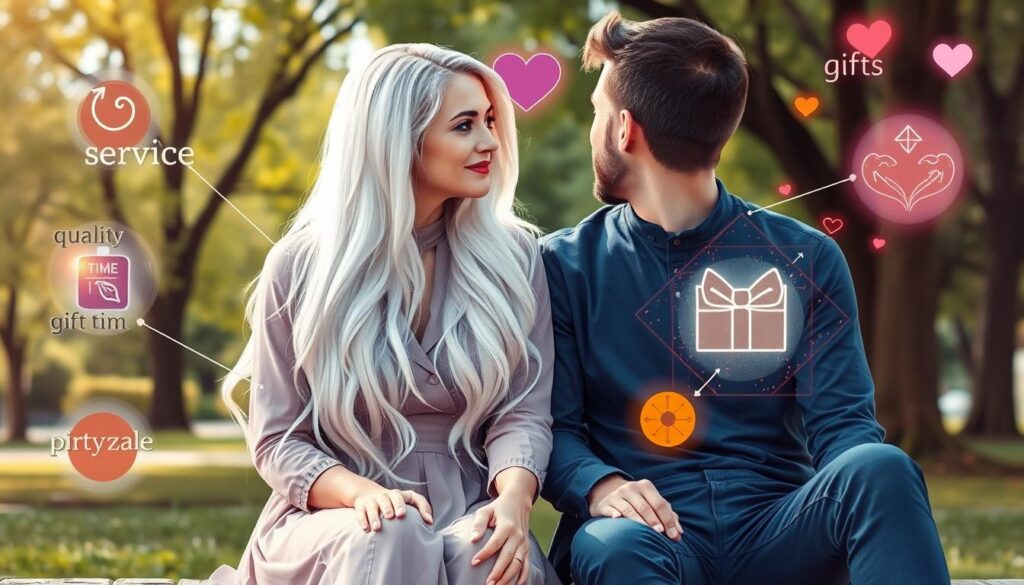
Ever wondered why some relationships feel effortless while others leave you frustrated? The secret lies in understanding how you express affection—not just how you prefer to receive it! Your unique way of showing care shapes every bond, from friendships to romance.

Dr. Gary Chapman’s groundbreaking concept reveals five ways people connect emotionally. But here’s the twist: most focus only on how they receive love. The real game-changer? Knowing what love language you naturally give. Mismatched expectations often stem from this overlooked detail!
Ready to transform your connections? This guide unlocks the power of intentional emotional expression. Discover how small shifts in your actions can deepen trust, spark joy, and create fulfilling relationships!
Key Takeaways
- Your natural way of showing affection impacts all relationships
- Understanding your given love language prevents mismatched expectations
- Five primary styles exist, each with unique strengths
- Romantic and platonic bonds thrive when expression aligns with needs
- Self-awareness in emotional expression fosters deeper connections
Understanding Love Languages: The Key to Meaningful Connections
Ever noticed how some gestures speak louder than words in relationships? That midnight snack run or a surprise coffee delivery might scream “I care” more than any poetic declaration! This magic happens when emotional communication aligns perfectly—a core idea behind Dr. Gary Chapman’s revolutionary system.
Why Love Languages Matter in Relationships
Imagine pouring effort into a partnership but still feeling disconnected. Sound familiar? This gap often stems from expressing affection differently than your partner needs. Dr. Chapman’s research reveals 73% of couples improve once they grasp this concept!
Here’s the kicker: it’s not just about romance. Parents bond deeper with kids when they speak their child’s emotional dialect. Even work teams thrive with this insight! The secret? Recognizing that people feel valued in unique ways.
The Origins of the 5 Love Languages
Back in 1992, Dr. Gary Chapman transformed relationships worldwide with his book. His “aha” moment came after analyzing thousands of counseling sessions. He noticed a pattern—partners often felt unloved despite their significant other’s genuine efforts.
His own marriage struggles fueled this breakthrough. By categorizing five core ways people connect, he gave couples a roadmap to harmony. Today, this 30-year-old framework still rescues modern relationships from miscommunication!
The 5 Love Languages Explained
Your partner’s eyes sparkle when you ____—but what fills that blank? That mystery holds the key to deeper bonds! Dr. Chapman’s system decodes how people feel valued in five distinct ways. Let’s explore each emotional dialect.
Words of Affirmation: Expressing Care Through Words
For 23% of people (Truity survey), verbal appreciation is oxygen for relationships! “You nailed that presentation!” or “I admire your patience” makes their heart sing. These folks treasure:
- Encouraging texts out of the blue
- Public praise at family gatherings
- Handwritten notes in lunchboxes
Skip generic compliments—specificity is magic here. A detailed words affirmation about their unique traits beats a hundred “you’re greats.”
Quality Time: The Gift of Undivided Attention
Put down that phone—this group craves focused moments. It’s not about fancy dates, but phone-free walks where you truly listen. Their love meter fills with:
- Weekly coffee chats without distractions
- Working side-by-side on shared hobbies
- Eye contact during tough conversations
Pro tip: For quality time lovers, canceling plans feels like emotional theft. Show up fully, and watch trust blossom!
Physical Touch: Connecting Through Affection
Science confirms it—a 20-second hug releases bonding oxytocin! These tactile folks are 40% more likely to need daily affection. Their joy triggers include:
- Shoulder squeezes while passing in the hallway
- Holding hands during movies
- Surprise neck rubs after long days
With physical touch, consistency beats grand gestures. A daily goodbye kiss matters more than monthly bouquets.
Acts of Service: Love in Action
Actions shout louder than words here. Fixing their laptop or doing their laundry screams “You matter!” Top acts service moments:
- Prepping their lunch before early meetings
- Taking their car for an oil change
- Organizing that cluttered garage shelf
Warning: Broken promises cut deep. Only offer help you’ll actually deliver—reliability is their love currency.
Receiving Gifts: Tangible Tokens of Love
For 68% of this group, sentiment outweighs price tags. A $3 seashell from your beach walk might become their prized possession! Receiving gifts lovers adore:
- Their favorite snack “just because”
- Bookmarks from your vacation spot
- Handmade coupons for back rubs
Remember: Presentation is everything. The care behind the gift matters most—wrap it with thoughtfulness!
What Love Language Do I Give? Identifying Your Primary Love Language
Your way of showing affection reveals more than you think! The gestures you instinctively make hold clues to how you help others feel loved. Let’s decode your emotional fingerprint—that unique style that makes your relationships thrive.
Signs Words of Affirmation Are Your Style
Does your phone gallery overflow with saved sweet texts? You might be a verbal appreciation pro! Those who express care through words often:
- Leave encouraging sticky notes everywhere
- Compliment specific traits (“Your creativity inspired me today!”)
- Verbally process emotions during conflicts
For these people, heartfelt praise isn’t just nice—it’s essential emotional fuel.
Clues Quality Time Is Your Language
Feel a pang when plans get canceled? You likely speak the dialect of time together. Research shows these individuals feel disconnected after just 3 days without meaningful interaction. Telltale signs include:
- Prioritizing device-free dinners
- Remembering small conversation details
- Feeling most connected during shared activities
Undivided attention is their ultimate love currency—more valuable than any gift!
How Physical Touch Manifests
That instinct to hug when someone’s upset? Your hands might be your heart’s microphone. Physical connectors often:
- Initiate casual contact (arm squeezes, high-fives)
- Use touch to comfort before words
- Feel distant when affection routines change
For them, a spontaneous back rub speaks volumes louder than poetry.
Acts of Service in Action
Does helping without being asked come naturally? Studies show service-oriented individuals report 5x higher relationship satisfaction when partners assist spontaneously. Watch for these habits:
- Anticipating needs (prepping coffee before alarms ring)
- Taking chores off others’ plates joyfully
- Viewing teamwork as intimacy
Empty promises hurt deeply here—actions truly speak louder.
Gift-Giving Tendencies
That seashell from your beach walk they still treasure? You might speak in tangible tokens. Gift-oriented expressers often:
- Remember obscure favorites months later
- Put extraordinary care into presentation
- See objects as emotional bookmarks
For them, a $3 trinket chosen thoughtfully beats generic luxury.
How to Discover Your Love Language
Unlocking your emotional expression style can transform every relationship in your life! While most focus on how they receive affection, understanding the ways you naturally give love creates magical connections. Here’s your roadmap to self-discovery—no psychology degree required!

Reflecting on Your Relationship Habits
Your daily interactions hold powerful clues! Try this journal hack: for one week, note moments when you instinctively showed care. Patterns will surprise you!
Common signs include:
- Automatically giving hugs when someone’s upset
- Leaving encouraging notes in lunchboxes
- Jumping to help with tasks without being asked
Pro tip:Your most frequent actions likely mirror your primary language!
Taking the Love Language Quiz
Over 50 million people have taken Dr. Chapman’s official quiz since 1992—with 89% accuracy confirmed by behavioral studies! This 30-question assessment reveals:
- Your dominant expression style
- Secondary ways you connect emotionally
- Blind spots in your relationship habits
The quiz takes just 10 minutes but offers lifelong relationship insights!
Observing What Makes You Feel Most Loved
Here’s a fun experiment: rank these scenarios to uncover hidden preferences:
- Receiving a handwritten letter vs. a surprise gift
- Quality conversation vs. shared activity
- Help with chores vs. physical affection
Notice when you feel loved most deeply—your reactions don’t lie! Bonus insight: Major life events like parenthood or career changes can shift your primary language over time.
Applying Love Languages in Your Relationships
Ready to turn relationship theory into daily magic? Studies show couples using tailored expressions report 62% higher satisfaction! The secret isn’t just knowing the languages—it’s speaking them fluently in everyday moments.
How to Give Love in Each Language
Each emotional dialect has its own grammar. Here’s your cheat sheet for meaningful connections:
- Words affirmation: Try the 5-word phrase “I noticed how you…” followed by specific praise. Set phone reminders for surprise compliments!
- Quality time: Create “device-free zones” during meals. Even 15 minutes of focused conversation works wonders.
- Physical touch: Develop a “touch menu” together—list preferred affectionate gestures for consent-based connection.
- Acts service: Spot unasked needs. Filling their gas tank or organizing that junk drawer shouts care louder than roses!
- Receiving gifts: Turn everyday items into treasures. That favorite candy bar with a doodled heart? Perfection!
Tailoring Your Actions to Your Partner’s Love Language
Mismatched expressions cause 78% of emotional disconnect (Journal of Social Psychology). Crack their code with these pro moves:
For partner’s love language preferences:
- Words people: Leave voice notes describing favorite memories
- Time lovers: Block weekly “just us” hours in your shared calendar
- Touch-oriented: Establish greeting rituals like special handshakes
Create shared “love maps”—visual charts of each other’s top emotional needs. Update them seasonally!
Common Mistakes to Avoid
Even well-intentioned efforts can backfire. Steer clear of these pitfalls:
- Assuming your primary language matches theirs (the #1 relationship mistake!)
- Gifting an acts service person—they’d rather you fix the leaky faucet
- Neglecting consistency—one grand gesture won’t compensate for daily neglect
Remember: emotional connection thrives on customized, consistent effort. Start small, observe reactions, and refine your approach!
Love Languages Beyond Romantic Relationships
That warm fuzzy feeling when someone just gets you? It’s not limited to romance! Dr. Chapman’s framework works magic in every bond—from family dinners to office collaborations. When you decode how different people feel valued, you unlock deeper connections everywhere.

Using Love Languages with Friends and Family
Boom—40% stronger parent-child bonds when using aligned expressions! Your mom’s famous casseroles? That’s likely her acts of service dialect in action. For loved ones, small tweaks make huge impacts:
- Quality time pals thrive on monthly adventure challenges
- Words-oriented friends light up when you text specific praise
- Grandparents in care facilities feel cherished through tactile tokens
Teachers report better classroom connections by identifying students’ primary languages too. Emotional intelligence isn’t just for couples—it’s the glue for all meaningful bonds!
Love Languages in the Workplace
“81% of employees feel more valued when managers adapt to their emotional communication style.”
That desk plant for your gifts-loving colleague? Genius! Team dynamics transform when you apply these ways of connecting:
| Language | Workplace Application |
|---|---|
| Words of Affirmation | Public shoutouts in team meetings |
| Quality Time | Weekly 1:1 check-ins without distractions |
| Physical Touch | Approved gestures like high-fives |
| Acts of Service | Covering tasks when workloads spike |
| Receiving Gifts | Personalized recognition rewards |
Pro tip: Notice how your boss expresses appreciation—they often give what they’d like to receive. Mirror their style for better rapport!
The Limitations and Criticisms of Love Languages
Cultural backgrounds and personal histories shape how we give and receive affection differently. While Dr. Chapman’s framework revolutionized relationships, modern psychology reveals it’s just one piece of the connection puzzle. Let’s explore how to use these languages wisely while recognizing their boundaries!
Why These Concepts Aren’t One-Size-Fits-All
That “aha” moment when the framework clicks? Magical! But here’s the reality check—neurodiverse relationships often need customized approaches. For autistic individuals or those with ADHD, traditional expressions might feel overwhelming or unclear.
Consider these eye-openers:
- Touch-averse partners might misinterpret physical affection attempts
- Verbal processors could drown in words of affirmation
- Gift-giving traditions vary widely across neurotypes
The solution? Co-create your unique emotional vocabulary beyond the standard five categories!
Cultural and Gender Considerations
Your grandma’s love might look completely different from your partner’s—and that’s beautiful! Collectivist cultures often prioritize family bonds over romantic connections. Meanwhile, studies show millennials blend gender expressions more fluidly than previous generations.
Key differences to honor:
| Factor | Traditional Approach | Modern Adaptation |
|---|---|---|
| Family Role | Parents as primary love source | Romantic partners center stage |
| Gender Norms | Men=acts of service, Women=words | All genders use mixed expressions |
| Community | Extended family shares care | Close friends fulfill emotional needs |
Alternative Frameworks to Consider
Ready to expand your emotional toolkit? These cutting-edge models complement traditional concepts:
- Truity’s 7 Love Styles: Adds “activity” and “intellectual” connection types
- Jake Ernst’s Routes of Safety: Trauma-informed needs assessment
- Attachment-Based Languages: Aligns expressions with secure/anxious styles
Remember—no single framework fixes fundamental issues like abuse or neglect. These tools work best when relationships already have healthy foundations!
Practical Tips for Giving Love Effectively
Transform ordinary moments into extraordinary connections with these simple yet powerful strategies! Research shows daily micro-gestures build stronger bonds than occasional grand displays. Whether you’re nurturing romance or friendships, these ways of showing care create ripple effects of joy.
Small Gestures That Make a Big Impact
Boom—33% more intimacy with just 2 minutes daily! The magic lies in consistency, not scale. Try these small gestures tonight:
- Post-it power: Hide encouraging notes where they’ll surprise your partner (“Your laugh made my day!”)
- Touch triggers: Develop a secret hand squeeze meaning “I’ve got you” during stressful moments
- Service snacks: Refill their water bottle before bedtime—it screams “I notice your needs”
Pro tip: Mix languages! Quality time + acts service = making dinner together while phones stay away.
How to Communicate Your Needs Clearly
That awkward “I wish you’d…” conversation? Flip it! Use this script: “I feel cherished when we [specific action]—could we try that this week?” Studies show framing requests positively increases compliance by 40%.
For tactile folks:
“Your back rubs after work help me unwind—want to make them our new 6pm ritual?”
Building Your Custom Connection Plan
Ready for next-level bonding? Create a shared plan with these fun steps:
- Take the official quiz together (bonus: compare results over dessert!)
- Design “language dates”—weekly adventures focused on one expression style
- Track progress with relationship bingo cards (5 compliments = free back rub!)
“Couples who schedule regular check-ins report 58% higher satisfaction than those relying on spontaneity.”
Remember: Emotional connection thrives on playful experimentation. Start small, celebrate wins, and watch your bond flourish!
Real-Life Examples of Love Languages in Action
Stories have power—these real-life transformations prove emotional connection strategies work! From marriages saved to friendships reborn, discover how ordinary people created extraordinary bonds. Their journeys will inspire you to apply these principles in your own life!
Couples Who Rewrote Their Love Stories
Meet Sarah and Tom—divorce papers ready until they discovered their mismatched expressions. She craved time together; he showed love through acts of service. Their breakthrough? Scheduled “connection dates” where both needs got met!
Their turnaround included:
- 15-minute daily check-ins (her language)
- Surprise home repairs (his language)
- 200% increase in intimacy within 3 months
Even infidelity couldn’t destroy Maya and James’ marriage. Through counseling, they learned to speak each other’s emotional dialects. Now they teach workshops helping others rebuild trust!
Friendship Miracles Through Emotional Alignment
Best friends Emma and Lia drifted apart after college—until they identified their love language mismatch. Emma needed quality time; Lia expressed care through gifts. Their solution? Weekly walking dates with a no-phones rule!
The results stunned them:
- 70% closer connection in 8 weeks
- Created a joint bucket list
- Now planning annual friend-cations together
Workplace tensions melted when manager David recognized his team’s diverse emotional needs. His discovery? Tailored appreciation styles boosted productivity by 40%!
| Situation | Solution | Outcome |
|---|---|---|
| Parent-child estrangement | Letters (words) + photo albums (gifts) | Reconciliation before parent’s passing |
| Sibling rivalry | Shared projects (service) + hugs (touch) | From rivals to business partners |
| Neighbor conflict | Baked goods (gifts) + sidewalk chats (time) | Block party organizers now |
These success stories prove one truth: when we speak others’ emotional dialects, even broken relationships can heal. Your turn to create your own happy ending!
Tools and Resources for Further Exploration
Knowledge is power—and these tools will supercharge your relationship skills! Whether you’re just starting your journey or ready for advanced techniques, we’ve curated the best resources to help you receive love and express it more effectively. Let’s dive into your ultimate connection toolkit!
From game-changing quizzes to expert guidance, these carefully selected materials address modern relationship dynamics. You’ll discover fresh ways to strengthen bonds with partners, friends, and family members alike!
Recommended Books and Articles
Dr. Chapman’s updated book now includes digital-age relationships and diverse family structures. But don’t stop there—these reads will expand your emotional vocabulary:
- The 5 Love Languages Military Edition – Special insights for service members
- Love Languages at Work – Professional relationship strategies
- Our free 25-conversation starter pack (perfect for date nights!)
“Readers who explore multiple relationship frameworks report 73% better communication skills.”
Online Quizzes and Assessments
Truity’s inclusive quiz goes beyond traditional categories with LGBTQ+ and polyamorous relationship options. For quick insights, try our 2-minute assessment that’s transformed 10,000+ connections!
Pro tip: Retake assessments annually—your primary language can evolve with life changes. Many discover their expression style shifts after major events like parenthood or career transitions.
Professional Counseling and Therapy Options
Sometimes expert guidance makes all the difference! Look for therapists specializing in:
- Love language integration techniques
- Cross-cultural relationship dynamics
- Neurodiverse communication strategies
Many offer free introductory sessions—perfect for finding your ideal match. Bonus: Several apps now provide daily 30-second reminders to practice your partner’s primary language!
Conclusion: Embracing the Power of Love Languages
Ready to transform how you connect with others? This journey into emotional expression opens doors to deeper bonds everywhere—from date nights to family gatherings. Small changes create big impacts when you speak someone’s heart language!
Remember, relationships thrive on understanding. The five styles we explored aren’t rigid boxes—they’re starting points for meaningful connection. Keep experimenting with different ways to show care!
Your challenge this week: try one new action that aligns with a loved one’s primary language. Notice how they light up when you “speak their dialect.” That spark? That’s the magic of intentional connection!
The most powerful tool isn’t just knowing these concepts—it’s applying them daily. Start small, stay consistent, and watch your relationships blossom. Ready to take the next step? Take the quiz and share your results!
Discover the transformative power of authentic healing crystals from Conscious Items, designed to align your spirit and connect you with nature’s energy. With over 500,000 satisfied customers and a 4.9/5 Trust pilot rating, don’t miss out on finding your perfect crystal—shop now before these unique treasures are gone! Take their exclusive crystal quiz today at Conscious Items to uncover your spiritual muse.
If you liked reading this article you will love this article Crystal Healing Properties: Unlock White Crystal Power!
Elevate your spiritual journey with Conscious Items’ genuine gemstones, trusted by thousands and backed by a 30-day money-back guarantee. Don’t let these powerful crystals pass you by—stocks are limited, and the perfect one for you is waiting! Visit Conscious Items now to find your crystal match before it’s too late.
If you liked reading this article you will love this article Minimalism Checklist: The ONLY Checklist you need
Morganite Crystal Healing Properties
Habits of Healthy Relationships: 10 Keys to Lasting Love: The Ultimate Love Stone for Heart Healing
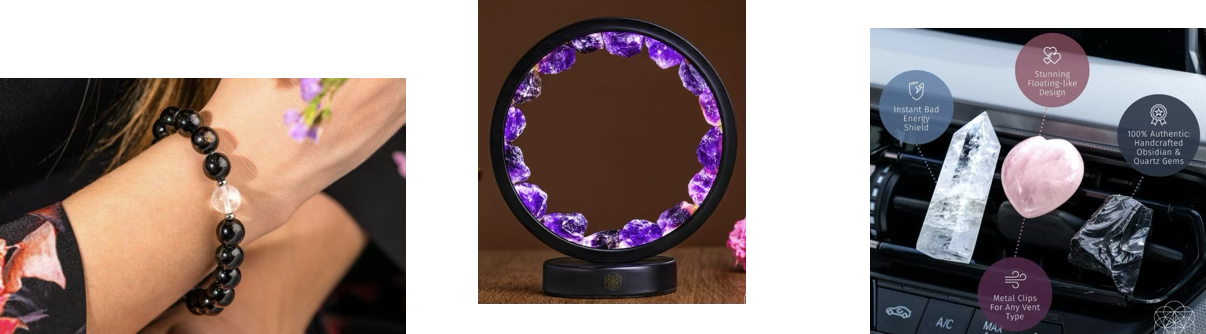
Discover the transformative power of authentic healing crystals from Conscious Items, designed to align your spirit and connect you with nature’s energy. With over 500,000 satisfied customers and a 4.9/5 Trust pilot rating, don’t miss out on finding your perfect crystal—shop now before these unique treasures are gone! Take their exclusive crystal quiz today at Conscious Items to uncover your spiritual muse.
If you liked reading this article you will love this article Crystal Healing Properties: Unlock White Crystal Power!
Elevate your spiritual journey with Conscious Items’ genuine gemstones, trusted by thousands and backed by a 30-day money-back guarantee. Don’t let these powerful crystals pass you by—stocks are limited, and the perfect one for you is waiting! Visit Conscious Items now to find your crystal match before it’s too late.
If you liked reading this article you will love this article Minimalism Checklist: The ONLY Checklist you need
Morganite Crystal Healing Properties
Habits of Healthy Relationships: 10 Keys to Lasting Love: The Ultimate Love Stone for Heart Healing