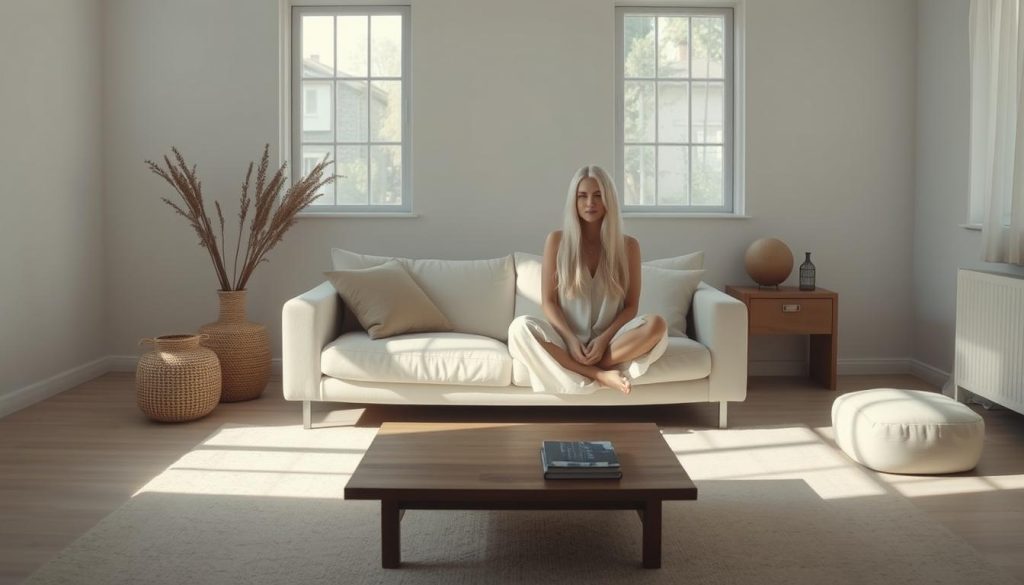

Want to clear your space and reclaim time without doing it all at once? I’ve got one simple launchpad that helps you get started fast!
The average U.S. home holds about 300,000 items. That number is wild, right? Start small—clear one drawer or say no to one commitment—and momentum follows.
You’ll learn how to keep what is useful or beautiful, schedule screen-free time, and design a calendar that matches your values. In the living room, small edits like mounting the TV, digitizing media, and editing coffee table items clear visual clutter quickly.
Bedrooms get calmer when you retire flat pillows, cut sheets to two sets, and ditch the clothing chair. Closets lighten when you remove promo shirts, single socks, and uncomfortable shoes. Kitchens run smoother with multi-use tools, right-sized cookware, and fewer mugs and spices.
This Minimalism Checklist is your launchpad to less chaos and more calm, so your home supports the life you want. Ready to feel momentum, not overwhelm?
Key Takeaways
- Begin tiny: one drawer or one “no” builds momentum.
- Keep items that are useful or beautiful—let go without guilt.
- Quick wins in living rooms, bedrooms, closets, and kitchens free space fast.
- Schedule time and screen-free blocks that reflect your values.
- You’ll save time daily and create a home that supports your family and life.
Read This First: How to Use This Present-Day Minimalism Checklist
Define your why, then act small! Decide why you want change and keep that reason front and center. This grounds your mind and fuels progress when things feel hard.
Pick one tiny thing to get started. Clear a drawer, say no to one low-value meeting, or take a minute to breathe. Small wins build momentum fast.
Choose a starting area by asking: what causes the most stress? What’s out of sync with your vision? What’s realistic this week? If the garage feels overwhelming, focus on one shelf.
Protect your time for rest and screen-free moments so you don’t drift into exhausted living. Unplug regularly to restore perspective and energy!
- Begin with your why to stay motivated.
- Take one small step today—consistency beats intensity.
- Use this post as a friendly guide and return when you need tips or a reset.
- Keep a donation box handy so items leave your home quickly.
Minimalism Checklist
Let’s build a simple system so every item has a clear next place to go. Start with a quick vision: write down how you want your life and space to feel. That clarity makes choosing easy and speeds up decluttering!
Define your “why” and vision for a simpler life
Write one sentence that sums up your goal. Keep it visible so decisions match your vision. When you know the way, saying no gets easier and your time feels more yours!
Choose a realistic starting area to reduce stress fast
Pick one room or one hotspot where stress shows first—often the living room. If the garage feels impossible, begin with one bin or one category like sports gear. A tiny shift in one area brings big relief.
Set destination piles to dispose, donate, sell, or digitize responsibly
Create four piles: dispose (broken or hazardous—follow local rules), donate (good condition), sell (marketplaces), and digitize (DVDs, VHS, CDs, cassettes). Every item gets a next place so nothing stalls your progress.
Take one small step today and build consistent momentum
Start a 10-minute timer and move one item at a time. Unsubscribe from one sales email or remove a duplicate utensil. Small daily wins add up fast—revisit this checklist each day and celebrate progress out loud!
- Write your vision so decisions line up with your life.
- Pick one area where five minutes makes a difference.
- Set four destination piles so every item has a place.
- Start a 10-minute sprint and move one thing at a time.
Foundations: Clarify Your Vision, Needs, and What Brings You Joy
Clarify the life you want and let that vision guide what stays in your space. Make a one-line statement about how you want your days to feel. Keep it visible so choices become easy and fast!
Separate wants from needs. Ask: does this item support daily routines or spark joy? Needs get clear homes. Wants must prove their value before they stay.
Separate wants from needs to reclaim time, space, and peace
Sort items quickly. If something doesn’t help your mind, your time, or your living, it likely belongs elsewhere. Regular audits reveal when a closet or wardrobe no longer matches your current life.
Keep only what’s useful or beautiful; let go of guilt and obligation
“Have nothing in your house that you do not know to be useful, or believe to be beautiful.”
Use that single filter to make decisions light. Ask, “Does this spark joy or support my day?” If not, thank it and let it go. Release stories that keep things trapped and give your best energy to fewer items.
- Define your meaning of minimalism so it sticks for life.
- Revisit your wardrobe and closet regularly to stay aligned.
- Protect your time—schedule rest and fewer commitments for clearer choices.
Living Room Reset: Clear Visual Clutter and Create Space to Breathe
Give your living area room to breathe by clearing the things that shout the loudest. Start small and watch the space change fast! Mounting the TV frees floor space and cuts trip hazards, so remove bulky media units for an instant airy feel.
Digitize DVDs, VHS tapes, CDs, and cassettes—95% of content exists online. Let go of old players and streamline remotes with a single universal device. That removes a lot of visual clutter quickly.
Edit the coffee table: keep one remote, one book, and coasters you love. Give each item a place so surfaces stay calm and usable.
- Mount the TV and remove bulky units to open up the room and improve flow!
- Digitize discs and release players to clear visual noise fast.
- Edit coffee items and unify remotes so the space feels cared for.
- Let go of décor you don’t adore—word signs, so-so art, and dusty souvenirs steal calm.
- Release dead plants, unplayed video games, and extra furniture to make room for life.
- Keep only books you’ll actually read; curated shelves give a calm sense of place.
If overflow lives in the garage, bring it into the light and decide what truly serves your home. Do a 10-minute decluttering sweep and feel the energy shift—this living room will breathe with you!
Bedroom Calm: Make Rest the Priority
Create a room that signals rest the moment you step inside—small edits make a big difference. Clear surfaces and quiet corners help your brain switch off faster so sleep comes easier!
Retire flat pillows and bulky bedspreads. They add visual weight and steal floor and closet space. Choose comfortable bedding that breathes and keeps the bed easy to remake.
Retire flat pillows, extra sheets, and bulky bedspreads
Two sets of sheets are enough—one on the bed, one for wash day. Limiting linens saves time and storage hassles so laundry feels simple.
Remove the “clothing chair” and excess storage that invites clutter
Banish the clothing chair! When it goes, the pile habit often goes too. Keep a small, closed basket for true overflow and decide on items quickly.
Simplify photos/frames for a serene, minimalist look
Too many frames add visual clutter and interrupt your sense of calm. Keep a few meaningful photos and tuck other items away so the room feels like a restful sanctuary.
- Keep the room simple—clear surfaces help rest arrive faster.
- Limit sheets to two sets to save time and space.
- Store only restful items in this part of your home.
- Make a 2-minute morning tidy your new habit—better rest means better life!
Closet & Wardrobe: Dress with Intention
Make your wardrobe work for your real life by keeping what fits your climate and routine. Start small and decide what adds real value to your mornings. You’ll feel the payoff in less time and less stress!

Let go of climate-mismatch clothing and inactive hobby gear
Keep pieces that match your current weather and lifestyle. If you never wear a parka in your region, it needs a new home. Same for hobby gear that sat unused for years.
Cull promo tees, uncomfortable shoes, and one-off pieces
Promo shirts and one-off items add decisions but not value. Toss shoes that hurt. Keep shoes you love—comfort saves time every morning!
Toss single socks, lone earrings, and worn basics
Single socks, stretched swimwear, and worn bras or underwear do not belong in your daily rotation. Let them go so your closet stays tidy.
Edit accessories and remove extra hangers
Edit hats, scarves, and purses to the versatile few. Remove extra hangers once you pare down so every thing has a clear place and the space feels calm.
Release jewelry and watches you don’t wear
Curate a small collection you adore. Discard unreparable items and donate pieces that deserve a new life elsewhere.
| Focus | Keep | Let Go |
|---|---|---|
| Climate | Seasonal jackets you wear | Parka if climate doesn’t match |
| Basics | Two good bras, wearable underwear | Worn or stretched pieces |
| Accessories | Versatile bags and favorite watches | Extra hangers, lone earrings, unused scarves |
- Track the number of items you actually wear each month—then move the rest on!
- Good decluttering makes your closet a calm place in your home.
- Small edits now save you space, time, and decision energy later!
Kitchen Essentials Only: Streamline What You Cook With
Start your kitchen edit by keeping only tools you reach for every week. This makes cooking faster and clears visual clutter so the room feels calmer.
Favor multi-use tools over single-purpose gadgets! One good peeler, a sturdy spatula, and a quality can opener beat a drawer full of odd items.
Right-size cookware and eliminate duplicates
Keep pots and pans that match your usual meals. Donate extras or move rarely used pieces to the garage and ask: do they earn their place?
Clear the fridge front
Remove magnets, menus, and paper clutter. A clean front makes your kitchen feel larger and protects your food notes from getting lost.
Sharpen knives, discard broken dishes, and standardize storage
A sharp knife saves time and is safer than many dull blades. Toss chipped plates and broken glass.
Limit mugs and glasses to a realistic number. Choose one set of stackable containers so lunch prep is quick and tidy!
- Ditch ultra-specific gadgets — multi-use tools save space.
- Release extra trays, placemats, coupons, and old spices to reclaim drawers.
- Keep only cookbooks you actually use — counters will thank you!
Time, Tech, and Mind: Simplify Beyond Stuff
Freeing your schedule is the fastest way to make more space for people and rest. Do a quick calendar audit this week and cancel anything that steals time without giving life back!

Clear low-value meetings. Trim repeating calls you don’t need. Delegate, shorten, or remove meetings so your work becomes focused and purposeful.
Unplug to reconnect
Schedule screen-free blocks for walks, backyard play, or a phone-free dinner. Less digital noise improves focus and deepens connection with family and friends.
Protect rest like an appointment
Book sleep and downtime on your calendar. Treat them as non-negotiable. Energy fuels intentional living and prevents exhausted living from taking over.
- Audit your calendar—cancel what drains you.
- Minimize notifications and set clear tech boundaries.
- Align work with your best hours—less push, more progress.
- Say yes to walks, quiet mornings, and simple family time.
Every hour you reclaim creates real space for what matters. Start small, protect one block this week, and feel the relief—fast!
Make Minimalism Sustainable: Habits, Audits, and Joy
Sustain change by checking in with your space and life each month—small audits win! This is the way to protect calm and prevent backsliding. Expect a challenge or two. Consistency beats perfection!
Audit frequently for realignment
Set monthly reviews for key areas. Notice when a closet or drawer no longer fits your needs. Decluttering a single item quickly keeps momentum and clears decision fatigue.
Stop re-cluttering at the source
Unsubscribe from noise, pause impulse buys, and try a one-in/one-out rule for core items. These small systems stop clutter before it arrives and save time long term.
Do more of what matters
Put family time and walks on your calendar. Read books, meet friends, and protect rest like work meetings. Joy is your compass—do more of what fills you up!
Reflect and celebrate
Celebrate wins often! Track progress in months, not days. Use a donation box, a drop zone, and a 10-minute reset timer to keep simplicity steady.
- Set short monthly audits.
- Use pause rules to limit new items.
- Schedule family and quiet time.
- Celebrate small wins to lock in habits.
Conclusion
Close this post with a simple plan: one room, one tiny action, one better day. Pick one thing to move now. A 10-minute sprint wins more time than waiting for a perfect day!
Keep returns simple: one donation box, one sell pile, one weekly drop-off. If the garage looks like a lot, break it down—one shelf this week, another in months to come.
Use this blog and this post as your steady guide. Share it with a friend and cheer one another on. Less stuff frees space and time for the living you value—coffee in a calm corner, a clear path through your room, and a light heart!
Elevate your spiritual journey with Conscious Items’ genuine gemstones, trusted by thousands and backed by a 30-day money-back guarantee. Don’t let these powerful crystals pass you by—stocks are limited, and the perfect one for you is waiting! Visit Conscious Items now to find your crystal match before it’s too late.
If you liked reading this article you will love this article Habits of Healthy Relationships: 10 Keys to Lasting Love: The Ultimate Love Stone for Heart Healing
Morganite Crystal Healing Properties