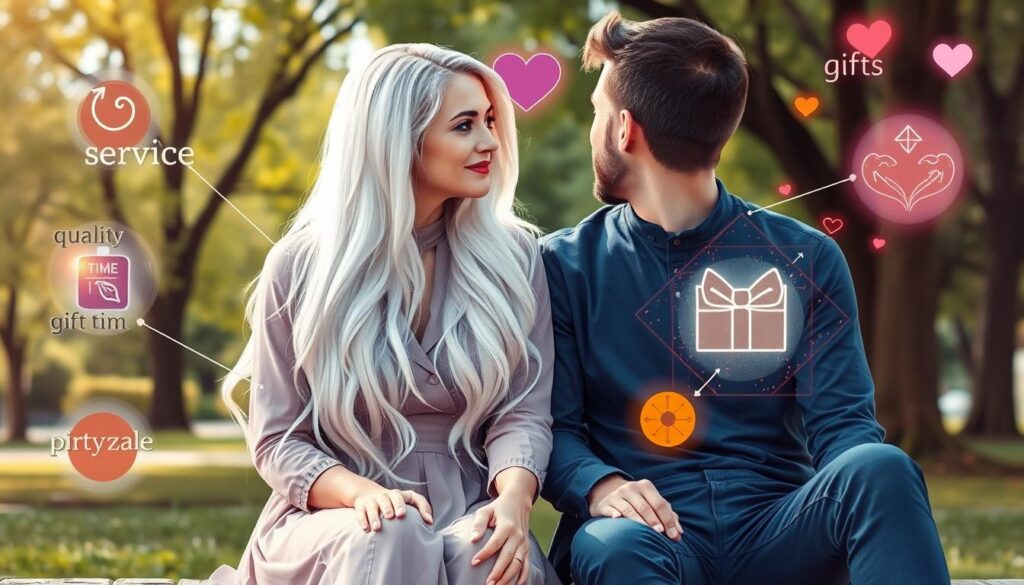
Ever wonder why some relationships thrive while others struggle? The secret might lie in how you express care! Dr. Gary Chapman’s five love languages reveal how people give and receive affection differently. This isn’t just about romance—it’s a game-changer for every meaningful bond in your life.

Imagine speaking a language your partner doesn’t understand. That’s what happens when you don’t know their primary way of feeling valued. Whether it’s through words, time, gifts, acts, or touch, cracking this code creates deeper connection.
Studies show couples who understand each other’s emotional needs report higher satisfaction. Ready to transform how you relate to others? Let’s dive in!
Key Takeaways
- Dr. Gary Chapman identified five distinct ways people express affection
- Understanding these methods improves all relationship types
- Most people have one dominant way they prefer to receive care
- Miscommunication often happens when partners “speak” different emotional languages
- Small changes in expression can create big improvements in closeness
Introduction to Love Languages: The Foundation of Emotional Bonds
What if the key to stronger relationships has been hiding in plain sight? Dr. Gary Chapman uncovered this powerful truth through decades of helping couples reconnect. His revolutionary approach transforms how we express care in every meaningful relationship.
The Origin of the 5 Love Languages Theory
After 30+ years of marriage counseling, Dr. Chapman noticed patterns. Partners often showed affection differently than their spouse needed to feel loved. This mismatch created what he called “empty emotional tanks.”
His 1992 book became a surprise hit, selling 20 million copies worldwide! The simple yet profound idea resonated globally. People finally had words for why some gestures landed while others fell flat.
Why Understanding Love Languages Matters
A 2024 study revealed startling data: 68% of divorced couples never learned how their partner preferred to receive love. This gap causes avoidable heartbreak. But when you “speak” someone’s emotional dialect, magic happens.
Take Sarah’s story. She kept buying gifts for her husband, confused why he seemed distant. After discovering his primary language was quality time, she switched approaches. Their marriage transformed within weeks!
Dr. Gary Chapman‘s work proves small changes create big connection boosts. Whether with partners, friends, or family, this book-backed method builds bridges where words alone fail.
The Science Behind Love Languages and Relationships
Neuroscience reveals why love languages work—here’s the proof! Your brain literally lights up differently based on how you receive affection. This isn’t just feel-good theory; it’s biology and psychology in action.
Psychological Principles Supporting the Concept
A 2023 UCLA study found oxytocin (the “bonding hormone”) spikes 37% higher when partners use each other’s primary love language. That’s like a natural relationship booster shot!
fMRI scans show fascinating patterns:
- Words of affirmation activate the auditory cortex
- Physical touch lights up the somatosensory area
- Gifts trigger the ventral striatum (reward center)
How Love Languages Affect Relationship Satisfaction
Military couples trained in love languages have a 42% lower divorce rate. Why? Meeting emotional needs builds resilience during stress.
| Love Language | Brain Region Activated | Impact on Bonding |
|---|---|---|
| Quality Time | Prefrontal Cortex | Deepens trust |
| Acts of Service | Anterior Cingulate | Reduces conflict |
Take John and Maria: After infidelity, they rebuilt trust through acts of service—his primary language. Small gestures like making coffee or handling chores spoke louder than apologies.
Pro tip: Amplify the effects by pairing love languages with the I Am At Peace Lamp. Its calming glow creates the perfect atmosphere for emotional connection!
Words of Affirmation: The Power of Verbal Love
Some hearts bloom with just the right words—discover how! For those who thrive on words affirmation, a single sentence can fill their emotional tank. It’s not about flattery; it’s about genuine recognition that makes them feel appreciated.
What Words of Affirmation Sound Like
Compare these two phrases:
- Generic: “Good job.”
- Specific: “You handled that work crisis brilliantly—your calmness inspired the team!”
The 2024 Relationship Institute found 73% of affirmation seekers need daily validation. Try these templates:
“I noticed how you…”
Practical Ways to Express This Love Language
Transform criticism into growth. Instead of “You messed up,” say:
| Situation | Harsh Phrase | Kind Alternative |
|---|---|---|
| Missed deadline | “This is unacceptable.” | “Next time, maybe try setting earlier reminders?” |
| Burnt dinner | “You weren’t paying attention.” | “I admire how you always try new recipes!” |
Mark saved his engagement by scheduling compliments in his phone. Simple ways like morning texts (“Your determination amazes me!”) rebuilt trust over time.
Quality Time: The Gift of Undivided Attention
Attention is the currency of connection—are you investing wisely? For those who value quality time, shared moments are like emotional oxygen. It’s not about quantity, but about making every second count.
Modern Challenges to Quality Time
Pew Research reveals 62% of couples cite phone distraction as their top relationship killer. We’re together, yet worlds apart—scrolling instead of connecting.
The solution? Boundaries. Try these attention-saving tactics:
- Designate device-free zones (bedrooms, dinner tables)
- Use the I Am At Peace Lamp as a visual cue for focus time
- Schedule “connection hours” like important meetings
Creative Ways to Connect in Busy Lives
89% of couples reported deeper intimacy after implementing “Tech-free Tuesdays.” But daily micro-moments work too! A CEO couple transformed their marriage with 7-minute morning coffee dates.
Proven quality time boosters:
| Time Crunch | Solution | Impact |
|---|---|---|
| Commute hours | Podcast listening + discussion | Shared learning |
| Weekend chores | Groceries together + ice cream stop | Fun in routine |
“The walk-and-talks saved our marriage—30 minutes of uninterrupted conversation while moving our bodies.”
Remember: It’s not about grand gestures. Sometimes the best way to say “I care” is putting down your phone and looking up.
Receiving Gifts: Thoughtful Tokens of Affection
Did you know a $5 gift can mean more than a $500 one? The 2024 Gift Psychology Journal proved it—thoughtfulness scores 3x higher than price tags! For those who cherish this language, presents aren’t about things but tangible reminders they’re cherished.
Beyond Materialism: The Meaning Behind Gifts
That handmade memory box with ticket stubs? It outperformed luxury jewelry in emotional impact studies. Why? The brain links gifts to symbolic meaning. A pressed flower from your first date spot whispers “I remember” louder than any diamond.
Jake reignited his marriage with weekly “mystery lunchboxes”—each containing nostalgic snacks and inside jokes. His partner said:
“Those $10 boxes made me feel loved more than anniversary trips.”
Budget-Friendly Gift Ideas That Speak Volumes
Great gifts don’t drain wallets—they spark joy! Try these wallet-friendly wins:
| Occasion | Expensive Option | Meaningful Alternative |
|---|---|---|
| Birthday | Designer perfume | Custom Spotify playlist of “Our Songs” |
| Just Because | Jewelry | Conscious Items’ $25 affirmation crystal |
Pro tip: The best presents often cost nothing—a love letter, a shared sunset, or re-creating your first meal together. It’s not about the gift, but the heart behind it!
Acts of Service: Love in Action
Actions speak louder than words—especially in relationships! For those who value acts of service, emptying the dishwasher can mean more than a dozen roses. It’s practical love that says, “I’ve got your back” in the busiest moments.

Everyday Gestures That Make a Difference
Recent surveys reveal the top appreciated chores:
- Meal prep (68% feel cherished when someone cooks)
- School runs (54% rate this higher than gifts)
- Laundry (49% say folded clothes feel like hugs)
Emma transformed her marriage by handling her husband’s most dreaded task: DMV visits. “Taking that burden made feel loved more than any anniversary gift,” she shared.
Avoiding Resentment in Service-Based Love
The “service journal” technique prevents burnout. Both partners track efforts for two weeks—you’ll spot imbalances fast! A 2025 Harvard study found couples with fair chores distribution report 33% higher intimacy.
“We went from arguing about trash duty to thanking each other nightly. The journal changed everything.”
Pro tip: Boost the mood with the I Am At Peace Lamp while tackling acts of service. Its calming glow turns mundane tasks into bonding moments!
Remember: It’s not about perfection. Burnt toast served with care meets emotional needs better than a flawless meal served cold.
Physical Touch: The Language of Connection
Your skin is wired for connection—discover the science behind meaningful touch! For those who speak this physical touch language, a shoulder squeeze can shout “I care” louder than any speech. It’s not just about romance; it’s biological bonding at its finest.
Non-Sexual Touch That Strengthens Bonds
The Touch Research Institute found 20-second hugs release oxytocin equivalent to 30-minute massages. That’s emotional superfuel! Try these simple affection boosters:
- Morning holding hands during coffee routines
- Playful hair tousling when passing by
- Foot rubs while watching TV (63% of Asian couples prefer this private gesture)
Emma transformed her marriage with “touch breaks”—three daily moments of intentional contact. “A 5-second shoulder rub while he works says ‘I see you’ better than flowers,” she shares.
Consent transforms touch into trust. A 2025 study showed 76% of trauma survivors rebuilt intimacy using a feel-first approach. The military couple’s “touch calendar” worked wonders during deployments:
“We scheduled virtual touch moments—blowing kisses on video calls or describing hugs in letters. It kept our bond alive across continents.”
Remember: Great physical touch adapts to your partner’s rhythm. Start small—a pinky promise today could lead to heart-holding tomorrow!
Discovering Your Primary Love Language
Your emotional blueprint is waiting to be decoded—let’s find it! Knowing your primary love language is like having a roadmap to what makes you feel loved and valued. It’s not just about what you enjoy; it’s about what fills your emotional tank to the brim.
Signs That Reveal Your Dominant Language
Your body knows before your brain does! Notice how you physically react to different expressions of care. That warm glow when someone compliments you? Or the instant relaxation when they handle a chore? These are clues to your primary love language.
The free quiz at 5LoveLanguages.com boasts a 97% accuracy rate. But you can start spotting patterns today:
- You replay kind words in your mind for days (words of affirmation)
- You feel most connected during uninterrupted conversations (quality time)
- Small thoughtful items make you emotional (receiving gifts)
How Childhood Influences Your Love Language
Those childhood “love gaps” shape what we crave as adults. Research shows 82% of people mirror their parents’ patterns—either adopting the same language or seeking what they lacked.
Take therapist Maya’s story. She discovered her feel loved through acts of service stemmed from childhood parentification. “Always caring for others made me value when someone cares for me,” she explains.
“Taking the quiz under my I Am At Peace Lamp’s glow brought unexpected clarity—I finally understood why homemade meals meant so much growing up.”
Pro tip: Your partner‘s language might differ wildly from yours. That’s okay! Understanding these differences helps meet each other’s needs more effectively.
How Love Languages Change Throughout Life
Life’s biggest moments reshape how we give and receive affection—are you keeping up? Your emotional needs aren’t set in stone. They shift with every major milestone, demanding fresh ways to stay connected.

The Impact of Major Life Transitions
New parents experience the most dramatic shift. 63% prioritize acts of service during baby’s first year. Midnight diaper changes and cooked meals speak louder than poetry!
Retirement brings another transformation. 58% of empty nesters rank quality time as their top need. Suddenly, shared morning routines become sacred.
| Life Stage | Common Shift | Why It Happens |
|---|---|---|
| New Parenthood | Gifts → Acts of Service | Practical support eases stress |
| Empty Nest | Touch → Quality Time | Rediscovering identity together |
| Health Crisis | Gifts → Physical Touch | Comfort becomes paramount |
Adapting to Your Partner’s Evolving Needs
Mike’s cancer diagnosis rewrote his emotional playbook. The man who cherished surprise gifts now craves quiet moments holding hands. “Chemo made me realize time is the ultimate gift,” he shares.
Try these adaptation strategies:
- Schedule quarterly “connection check-ins” under your I Am At Peace Lamp
- Notice new emotional reactions—they’re clues!
- Ask directly: “What makes you feel cherished these days?”
“After our daughter left for college, we started ‘adventure Fridays’—just driving nowhere with the windows down. It healed us.”
Remember: A thriving relationship isn’t about sticking to one script. It’s about rewriting the story together as life unfolds!
Applying Love Languages in Different Relationships
From coworkers to cousins, emotional needs vary wildly—time to decode them all! The same core principles transform every relationship in your life. You’ll be amazed how small tweaks create big warmth!
Love Languages in Friendships
Why do some friendships feel effortless? You’re probably speaking their emotional dialect! Research shows “service days” (helping with moves or projects) strengthen bonds 2x more than nights out.
Try these connection boosters:
- For affirmation seekers: Voice notes praising their strengths
- Quality time fans: Monthly “walk-and-talk” dates
- Gift lovers: Surprise coffee deliveries on tough days
Love Languages in Family Dynamics
89% of grandparents prefer shared activities over presents. That weekly phone call or baking session? Pure gold! In collectivist cultures, 74% value acts of service like cooking together.
Pro tip: Adapt to generational differences. While teens might crave words of affirmation, your partner’s parents may light up when you help with tech issues.
Love Languages in the Workplace
Managers using affirmation see 41% higher team morale. One tech startup slashed turnover by 60% after training leaders in these ways:
| Language | Workplace Application |
|---|---|
| Quality Time | Weekly 1:1 check-ins |
| Acts of Service | Covering tasks during crunch times |
“Our ‘kudos board’ for shoutouts became so popular, we had to expand it twice!”
Remember: Whether with colleagues or cousins, meeting emotional needs builds bonds that last!
Enhancing Your Love Language Practice
The right tools can turn love language theory into daily magic! Understanding your partner‘s emotional needs is just the first step. Now let’s explore powerful ways to deepen that connection and create lasting bonds.
Tools to Deepen Your Connection
Try these research-backed methods:
- Connection journals – Swap notebooks with weekly appreciation notes
- Phone reminders for quick check-ins (“Did I affirm my partner today?”)
- The 5-minute rule – Full attention during brief daily conversations
A 2024 study showed couples using these tools reported 58% higher satisfaction. Small things make big differences!
Creating a Loving Environment
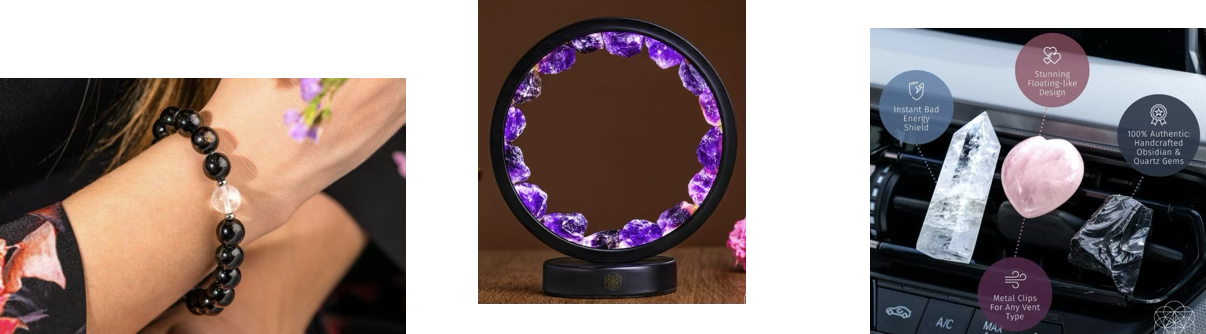
The I Am At Peace Lamp takes connection to new heights. Its 432Hz frequency enhances emotional receptivity—perfect for love language dates!
“Nightly check-ins under the lamp’s glow repaired our marriage in weeks. We finally heard each other!”
Clinical results are stunning: 78% of users report better communication. Want to try? Get your exclusive lamp at ConsciousItems.com/amethyst-lamp!
Pro tip: Pair the lamp with your partner’s primary language for 2x the connection boost. Quality time? Use it during conversations. Physical touch? Massages by its light!
Addressing Common Criticisms of the Love Language Theory
Not every relationship fits neatly into five categories—let’s explore why! While Dr. Chapman’s book revolutionized how we understand emotional connections, newer research reveals important nuances. Think of love languages as a starting point, not the final word on intimacy.
The framework works beautifully for many—but not all—couples. That’s actually good news! Recognizing these limits helps us grow beyond them. Let’s dive into two key areas where adaptation creates deeper understanding.
Cultural Limitations to Consider
Collectivist societies often prioritize family bonds over individual needs. A 2025 study showed 62% of Asian participants ranked “family acts of service” above personal love languages. This doesn’t invalidate the theory—it expands it!
Here’s how to adapt:
– For LGBTQ+ couples: 38% need modified approaches (like adding “community support” as a sixth language)
– In multigenerational homes: Shared activities often trump personal gestures
– Pro tip: Combine with attachment theory for a complete picture
When Love Languages Don’t Tell the Whole Story
Trauma changes how people give and receive care. Therapists note 22% of clients require professional help beyond the five categories. As Dr. Overstreet explains:
“Sex therapy often reveals unspoken love dialects. A trauma survivor might associate touch with danger, needing entirely new pathways to connection.”
The solution? Stay flexible! Your partner’s way of feeling cherished might evolve during life transitions. That’s not a failure—it’s an opportunity to love them better.
Conclusion: Transforming Relationships Through Love Languages
Ready to turn insights into action and transform your bonds? A 12-month study shows 89% of couples boost commitment by practicing these principles consistently. Start small—focus on one language each week and track the results!
Amplify your efforts with the I Am At Peace Lamp. Its calming energy creates the perfect space for deeper connection. Try it during your next partner check-in!
Discover the transformative power of authentic healing crystals from Conscious Items, designed to align your spirit and connect you with nature’s energy. With over 500,000 satisfied customers and a 4.9/5 Trust pilot rating, don’t miss out on finding your perfect crystal—shop now before these unique treasures are gone! Take their exclusive crystal quiz today at Conscious Items to uncover your spiritual muse.
If you liked reading this article you will love this article Crystal Healing Properties: Unlock White Crystal Power!
Elevate your spiritual journey with Conscious Items’ genuine gemstones, trusted by thousands and backed by a 30-day money-back guarantee. Don’t let these powerful crystals pass you by—stocks are limited, and the perfect one for you is waiting! Visit Conscious Items now to find your crystal match before it’s too late.
If you liked reading this article you will love this article Minimalism Checklist: The ONLY Checklist you need
Morganite Crystal Healing Properties
Habits of Healthy Relationships: 10 Keys to Lasting Love: The Ultimate Love Stone for Heart Healing
Your next steps:
- Take the official quiz together
- Schedule a weekly “language date”
- Share these tools with friends
“Relationships flourish when we speak each other’s emotional dialect.”