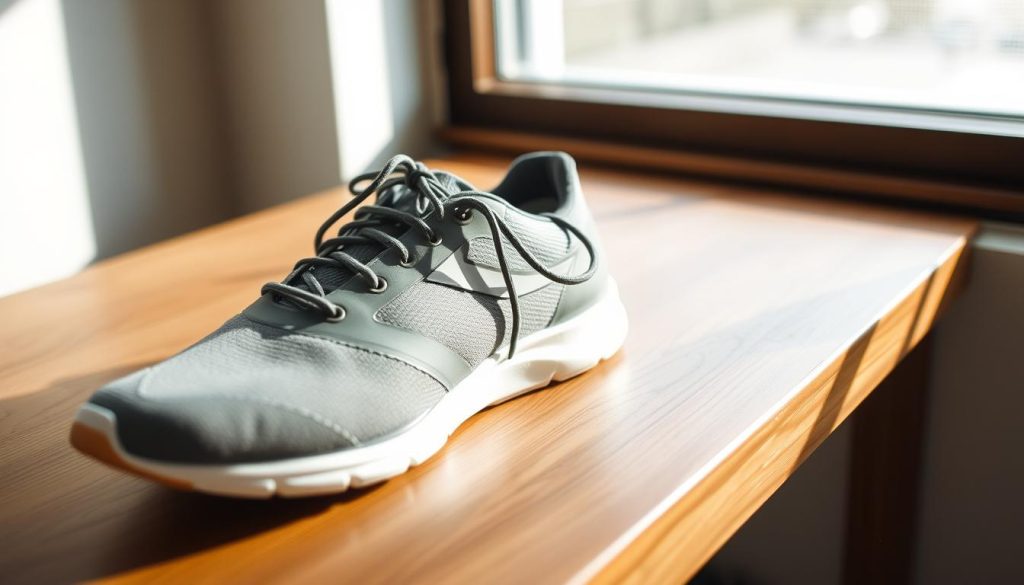
Want to know why your stride feels different when you switch to a low-profile shoe? I felt the same clash of curiosity and doubt! This intro peels back the hype and shows the smart, data-backed side of natural movement.
I’ll walk you through lab-tested facts like stack height and true drop, and real reviews from brands like Vibram, Vivobarefoot, Xero, Merrell, Altra, and more. You’ll learn the difference between zero drop, barefoot, and minimalist options so you can find a better fit for your feet!
We’ll cover toe box width, heel-to-toe drop, and safe transition steps you can use over time. Expect short timelines that start with walking, add calf and foot strength work, and protect your body while you adapt.
This guide gives you a clear plan to feel grounded, strong, and confident in every pair you lace up! Ready to try a smarter way to run and move?
Key Takeaways
- Learn the real difference between zero drop, barefoot, and low-profile shoes.
- Trust lab measures like stack height and true drop alongside expert reviews.
- Prioritize wide toe boxes and big-toe alignment for better foot steering.
- Transition gradually: start with walking and add foot and calf strength.
- Find trusted brands across road, trail, and budget categories.
Why Minimalist Running Shoes Are Having a Moment
The trend now favors designs that free your toes and improve whole-body balance. Coaches and experienced reviewers point out that when your feet can splay, stability improves and common niggles often ease up. That change supports more natural movement while keeping training smart and safe!
User goals: performance, injury prevention, and natural motion
You want better performance and fewer setbacks. Many athletes now prefer shoes that hand work back to the foot and lower leg.
From past trends to smarter choices today
Brands like Vibram and Vivobarefoot helped start the barefoot boom. Over time, options expanded from true-barefoot to cushioned zero-drop picks for longer miles and recovery.
- Wider forefoot designs let your toes help stabilize the whole body.
- Paired with strength and mobility work, this approach boosts form and reduces injury risk.
- Real-world reviews show versatility—daily runs, gym sessions, walking, and cross-training all benefit.
This guide will show you how to apply a thoughtful transition so your body adapts over time!
Minimalist vs. Barefoot vs. Zero Drop: What Runners Need to Know
Let’s cut through the labels and see what drop, stack, and flexibility really mean for your stride!
Heel-to-toe drop simply measures the height difference between heel and forefoot. But lab testing shows official specs can be off. Reviewers now measure heel and forefoot stacks using World Athletics-style points (12% heel, 75% forefoot) to find the true drop.
How stack and flexibility change the ride
Stack height and materials decide ground feel. Low stack plus high flexibility equals maximum feel and a lighter shoe.
Barefoot models are the most extreme: 0 mm drop, paper-thin stack, and huge flexibility for pure contact.
Ground feel versus cushion: pick your path
- You’ll decode differences fast so you don’t buy what you don’t need.
- Low stack + high flexibility = natural motion and more foot work.
- Zero drop means level heel-to-toe, but it can still have a thick cushion and stiff sole.
- If you crave feel, choose thinner and more flexible; want protection, pick a cushioned zero-drop option.
Point: drop alone doesn’t guarantee a minimal experience. Check stack, bend, and real-world reviews before you commit. This guide helps you match gear to goals—so your strides get better, not just different!
Transitioning Safely: How to Switch Without Sacrificing Miles
Switching your footwear takes patience — start slow and let your body lead the change! This guide gives clear, usable steps so you protect training and stay motivated.
Start small, build confidence
Begin with walking in the new shoes for short bursts. Let your feet and calves adapt before adding load!
Add a few short, easy runs per week while you rotate back to your familiar higher-drop pair. That mix preserves miles and reduces overload.
Strength, form, and when to pause
Do simple exercises for toes, arches, and calves to speed adaptation and boost stability. Keep your stride compact and land closer to your center to protect your heel and Achilles.
If fatigue or sharp pain grows, stop and rest. Back off distance and time, then resume more gradually. Expect real adaptation to take months — especially if you’re coming from a 10–12 mm drop or you heel-strike.
- Walk first, then add short runs.
- Rotate with a higher-drop pair to save structure.
- Use toe and calf exercises to build strength.
- Pause for pain, not just soreness.
How We Evaluate Minimalist Running Shoes (Lab Meets Real-World)
Every pair goes from lab bench to pavement so you know exactly how it behaves underfoot!
We cut and measure using World Athletics-style points: 12% at the heel and 75% at the forefoot. That gives a true stack height and lets us compute the real drop.
We test longitudinal and torsional flexibility to see how the sole bends and twists. Then we run the shoe on roads and trails to confirm lab results.
Durability checks use a Dremel on the toe box, heel padding, and outsole. We measure dent depth. Gel molds map toe box width and height so your toes get room to steer.
Why this matters
Official specs can be off by 1–2 mm or more. That small gap changes stride and comfort. Our review process cuts through marketing noise so your next purchase matches your feet and goals!
| Metric | Method | What it shows | Impact on run |
|---|---|---|---|
| Stack height / drop | World Athletics cut & measure | True heel/forefoot height | Affects posture and cadence |
| Flexibility | Longitudinal/torsional bend tests | How natural the foot moves | More flexibility = more foot work |
| Toe box size | Gel molds at big toe/widest point | Real width and height | Prevents cramping and black nails |
| Durability | Dremel wear + outsole dent depth | Upper and outsole longevity | Tells you if the shoe can handle miles |
- Point: we pair lab data with real runs for honest reviews.
- You’ll see which brand specs match reality and which need a second look.
Top True-Barefoot Picks for Road and Track
If you crave unmatched ground feel, these true-barefoot picks deliver direct contact and honest feedback. I love how they force better footwork and let you feel the pavement underfoot!
Vibram Five Fingers
Maximum toe splay via individual toe pockets gives serious feel and control. These are durable if you transition slowly and build time on them.
Vivobarefoot Primus Lite / Primus Lite Knit
The Primus Lite offers a thin, flexible ride with dependable grip and removable insoles for small fit tweaks. The Knit version adds breathability and a touch more volume in the upper for a softer fit.
Lono Flow
Lono Flow is pure: sock-like upper, wide forefoot box, and an ultra-thin outsole. Sizes run true and the removable insole lets you dial the fit for longer sessions.
- Want max feel? Vibram delivers unmatched feedback.
- Primus Lite balances thin protection with grip and durability.
- Lono Flow gives a sock-like fit and a true barefoot connection.
- Start slow! Build minutes, not miles, when you switch to these options.
| Model | Key feature | Fit tweak | Best for |
|---|---|---|---|
| Vibram Five Fingers | Individual toe pockets for splay | No insole / gradual transition | Max ground feel, short road runs |
| Vivobarefoot Primus Lite | Thin flexible sole + good outsole grip | Removable insole; Knit = more upper volume | Daily runs, drills, and mixed training |
| Lono Flow | Sock-like upper & ultra-thin outsole | Removable insole; true sizing | Pure barefoot feel, technique work |
Best Minimalist Running Shoes for Trail Running
Trails demand quick feet and smart gear — these options let you stay light and sure-footed on mixed terrain! I’ll highlight two reliable picks that give you ground feel and smart protection so you can move freely and safely.
Merrell Vapor Glove: 6 mm stack height for pure ground contact
Vapor Glove offers about a 6 mm stack height, amazing flexibility, and great breathability. You get true ground feel and quick feedback on roots and rocks.
The fit runs snug for straight feet and average width. If your forefoot needs extra room, try sizes or compare models before you buy. Start with short trail runs to nail the fit and adapt your stride!
Xero trail-ready options: durability and traction with a touch more protection
Xero’s trail lineup adds durable outsole grip and slightly more protection than ultra-thin models. Expect secure traction for wet or loose sections and a wider midfoot and heel for better stability.
These designs help you stay nimble while giving a bit more comfort on technical terrain. If your routes have rocks or steep descents, a hair more stack can improve stability without losing the low-profile feel.
- Craving ground contact on trail? Vapor Glove brings a super low stack height and flexibility.
- Expect a snugger average-width fit; compare if you need a broader forefoot.
- Xero adds protection, durable traction, and a wider fit for mixed terrain.
- Keep the drop low and cadence high to flow over technical bits.
- Start short, then build minutes so your feet adapt without injury.
Wide Toe Box Winners for Long Distances
If your toes feel cramped after a few miles, a roomier forefoot may be the missing link. I love when a shoe just lets your feet breathe on long efforts!
Freet Barefoot
Freet gives you a true square toe box and extra width in the forefoot and midfoot. That shape frees your toes so they can splay naturally over long distance runs.
Removable insoles let you fine-tune internal volume for varied training loads. Swap or remove the insole to gain more space without changing the pair!
Lems Primal Zen / Primal 3
Lems focuses on a high-volume forefoot. The Primal Zen and Primal 3 offer roomy width and a relaxed shape that many folks size up for the best fit.
They shine on high-impact days and long hours on foot. The wide front reduces hotspots and lets your big toe steer better.
- Need more space up front? Freet’s square box frees toes for long comfort.
- Lems gives extra forefoot volume for natural splay and long-distance stability.
- If you have wide feet, both brands are excellent for sustained comfort.
- Pay attention to sizing—get the fit right to avoid toe drag or blisters.
| Brand | Key feature | Insole | Best for |
|---|---|---|---|
| Freet Barefoot | Square toe box; extra midfoot width | Removable insole to tune volume | Long-distance runs; progressive adaptation |
| Lems Primal Zen / Primal 3 | High-volume forefoot; relaxed fit | Standard removable insole; often size up | High-impact days; long hours on foot |
Zero-Drop Cushion Picks for High Mileage and Recovery Days
B
When you want recovery comfort but still move naturally, a zero-drop cushioned option can be a perfect fit. These picks keep your platform level while adding enough foam to protect tired legs on long days and easy runs!

Altra: foot-shaped fit for trail or road
Altra gives toes roomy real estate with Original, Standard, and Slim fits. Models like the Lone Peak (trail) and Solstice or Escalante (road) suit different terrain. Lab checks sometimes show tiny variances from 0 mm, but the platform feels effectively level.
Bahe Revive: mid-stack comfort for city miles
Bahe Revive brings a mid-stack feel — about 14 mm with the insole — and a natural flex that works great on urban routes. It’s a solid option if you want cushion on recovery days without losing the benefits of a level sole.
Want to keep form while piling on miles? Look at outsole tread for the surfaces you cover. Grip matters on wet roads and light trail links. Choose the brand and model that match your terrain and volume needs!
| Brand / Model | Stack & drop | Fit highlight | Best use |
|---|---|---|---|
| Altra Lone Peak | 0 mm (measured ≈0 mm) | Foot-shaped toe box; trail traction | Technical trails and long distance |
| Altra Escalante / Solstice | 0 mm (effectively level) | Road-focused fits: Original/Standard/Slim | Daily road miles and tempo runs |
| Bahe Revive | ≈14 mm stack, 0 mm drop | Medium-high volume; natural flex | Urban routes, recovery days, easy miles |
- Tip: A cushioned zero-drop shoe helps keep legs fresh during build phases.
- Pick outsole patterns that match your common surfaces for reliable grip.
- Try models in your preferred fit (Original/Standard/Slim) to get toe room and volume right.
Budget-Friendly Minimalist Options That Overdeliver
If you want value and a true foot-shaped fit, these affordable options punch above their price! You get roomy forefeet, light weight, and friendly pricing—great for testing a new way to move.
Saguaro Free / Smart II bring extra width with breathable knit uppers. They feel airy and roomy. Fit runs small, so most people size up for the best fit. A removable insole helps you tweak volume fast.
Whitin models are super flexible and easy to pull on. They usually run small too, but the wide toe box lets your toes spread. These are popular entry-level picks for walking and short runs.
- Want value now? Saguaro gives extra width and airy comfort at a low cost.
- Slip-on ease: Whitin makes testing the style simple and fun.
- Use removable insoles to tune fit and volume from day one.
- Read the latest review feedback—names and colors change, but shapes stay similar.
“These pairs are a smart option if you want to explore barefoot-style movement without a big spend.”
Gym-to-Run Hybrids for Mixed Training Days
Fresh gear can make your gym-to-run days easier and more fun! If you want fewer pairs and smarter training, hybrids are your answer. They blend court and pavement needs so you can lift, sprint, and jog without swapping.
Xero Shoes Zelen
The Zelen pairs a breathable upper with a tire-like outsole for grip on rubber and pavement. It’s great for short runs of 1–5 miles and mixed gym drills. You get airy comfort and reliable traction in one compact package!
Vivobarefoot Motus Strength
This model adds protective overlays and a wrapped sole that stand up to rope climbs and heavy WODs. The secure lockdown helps during quick sprints and plyo work. It’s built for durability and performance when sessions get tough.
Inov8 Bare XF
Inov8’s Bare XF gives a wider fit and aggressive grip. The BOOMERANG insole boosts comfort for lifting, then still feels lively for short intervals. If you need stable footing and room to move, this is a top hybrid option.
- Train and jog in one pair! Zelen breathes well and grips with a tire-like outsole.
- Motus Strength adds built-up durability and secure lockdown for CrossFit-style work.
- Bare XF brings a wider fit and confident grip for lifting and short runs.
- Choose your upper feel: airy and light vs. reinforced and rugged.
- If you mix squats, sleds, and 800 m efforts, these models save time and boost performance.
| Model | Key trait | Best for |
|---|---|---|
| Xero Zelen | Breathable upper; tire-like outsole | Gym circuits + short runs (1–5 miles) |
| Vivobarefoot Motus Strength | Reinforced overlays; wrapped sole | CrossFit WODs, sprints, rope work |
| Inov8 Bare XF | Wider fit; BOOMERANG insole; grippy sole | Lifting, short run intervals, mixed drills |
Fit Guide: Toe Box Shape, Width, and Big Toe Alignment
How your big toe sits in the shoe decides how well you steer and push off. I want you to feel confident when you test pairs! Good fit starts up front where your foot meets the ground.
Foot-shaped vs. tapered: why the big toe needs room to “steer”
Foot-shaped designs copy your natural outline and cut down on cramping. Gel molds measure toe box width at the big toe and at the widest point, so you can compare real numbers, not just marketing claims.
Square vs. rounded forefeet and picking ideal width
Square forefeet give toes more lateral space and better stability under load. Brands like Altra, Freet, and Lems often offer wider box options that protect alignment and reduce hotspots.
- Think “foot-shaped,” not pointy — let the big toe steer!
- Prioritize width and height up front if your feet are broad.
- Try on with the socks you train in to confirm true toe clearance.
- A little space today means happier feet over months and years.
Specs That Matter: Stack Height, Drop, Insole Options, and Outsole Grip
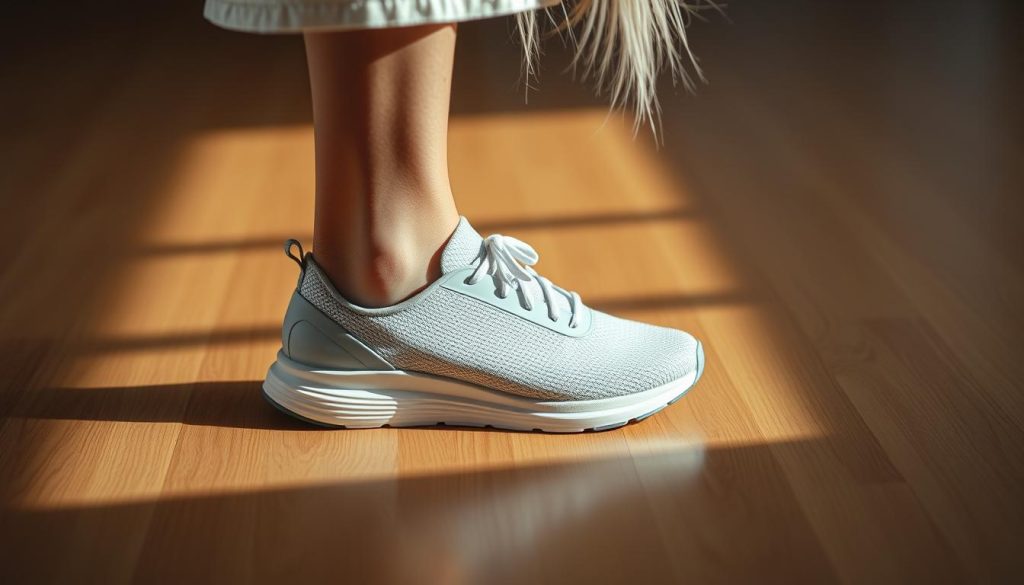
A few millimeters of stack or a subtle drop tweak can rewrite how your foot contacts the ground. Labs measure stack height precisely and often find brand drop claims differ from reality. That matters because thinner stacks increase ground feel, while higher stacks add protection for long distance runs or rough terrain.
Choosing stack for distance and terrain without losing feel
Pick stack height to match your distance and terrain—protect enough without dulling feel. For long days, a bit more stack helps your legs stay fresher. For drills and speed, go lower and more responsive for crisp feedback.
Removable insoles for step-down transitions
Use a removable insole to step down cushion gradually as your feet strengthen. Start with the insole in place, then remove or swap to thinner layers over weeks. This lets you control volume and comfort while you adapt!
- Verify true drop when possible; small changes can alter stride over time.
- Outsole grip and durability matter—choose lugs for trail or flatter rubber for road traction.
- Removable insoles make safe transitions simple and measurable.
- This spec-focused guide helps you turn numbers into smart choices and practical points for gear selection.
| Spec | What labs measure | How it affects your run |
|---|---|---|
| Stack height | True heel and forefoot thickness (mm) | Higher = more protection; lower = more ground feel |
| Drop | Actual heel-to-toe difference (mm) | Changes posture and cadence; small shifts matter |
| Insole | Removability and thickness options | Easy step-down cushion for gradual adaptation |
| Outsole | Lug depth, rubber hardness, wear resistance | Grip on trail vs. road and long-term durability |
“Dial these elements in and your running will feel more natural and controlled!”
Performance Priorities: Stability, Flexibility, and Natural Movement
Small changes in sole twist and bend can change how confidently you tackle a trail! Labs measure torsional and longitudinal flexibility to show real-world effects. That data helps you pick the right balance for better feel and fewer surprises.
When more torsional rigidity helps on technical trails
On rocky or rooty paths, a bit more torsional rigidity boosts stability and control. You land and push off with more confidence. That extra support can prevent ankle rolls and reduce jitter on steep descents.
Flex patterns that support forefoot strike and cadence
Flexible soles favor a natural forefoot strike and faster cadence. That helps you land closer to your center and protect the heel. Lighter, bendy designs often aid speed work and form drills!
- On technical trails: choose modest rigidity for security.
- For smooth routes: pick flexibility to encourage forefoot strike.
- Match drop and stiffness to the terrain for best performance.
| Feature | What labs measure | Best terrain | Point |
|---|---|---|---|
| Torsional rigidity | Resistance to twist (Nm) | Technical trail running | Boosts stability |
| Longitudinal flexibility | Bend angle (degrees) | Smooth paths & speed work | Supports forefoot strike |
| Stack / drop pairing | Heel-to-toe diff (mm) | Mixed terrain | Matches feel to need |
Find your sweet spot and your runs will feel more natural and fun!
Women’s and Men’s Fit Nuances in Minimalist Running
Gendered cuts change how your foot moves and recovers! Women’s lines often trim rearfoot volume and narrow the last. Men’s options can add width and height. These small shifts affect comfort on longer days.
Low arches, narrow heels, and volume differences
If you have low arches or a narrow heel, pick brands that lock the rearfoot without squeezing the forefoot. Vivobarefoot’s women’s lasts often run slightly narrower than the men’s. Altra offers Original, Standard, and Slim fits to dial volume precisely.
When to size up for training mileage and toe splay
For long training, consider sizing up to give your toes room to splay and to allow natural swelling. Test pairs in the afternoon when your feet are a bit larger. That small extra space keeps your feet happy on long runs!
Quick tips to nail fit:
- Try both women’s and men’s versions if you need more room.
- Check brand fit notes for width and internal volume.
- Use removable insoles to fine-tune internal space.
| Issue | What to look for | Best action |
|---|---|---|
| Narrow heel | Secure lockdown without forefoot squeeze | Try Vivobarefoot women’s or slim Altra fits |
| Low arch | Lower midfoot volume; gentle support | Choose brands with adaptive insoles |
| Long mileage | Need extra toe space and swelling room | Size up and test in afternoon |
This short guide helps you match gendered cuts to your anatomy and goals — so your next pair fits like a friend, not a fight!
Minimalist Running Shoes: How to Choose Your Best Pair Today
Match what you run on and how far you go with the right shoe type, and your feet will thank you fast! Pick a category that fits your terrain, current drop, and weekly distance.
Match your terrain, distance, and current drop to the right category
Start with your present drop and routes. If most sessions are short form drills, a true-barefoot option gives max feel and technique feedback.
For long runs or recovery days, choose a cushioned zero-drop model to protect tired legs. If you mix gym work, a hybrid pair handles lifting, sprints, and short jogs with no fuss.
Build a rotation: barefoot, cushioned zero-drop, and hybrid
- Start with your current drop, terrain, and distance—match the category that fits your goals.
- Pick best barefoot for feel days and form work; keep sessions short at first.
- Use a cushioned zero-drop option for longer distance and recovery runs.
- Add a hybrid shoe when sessions blend gym work and short runs.
- Rotate pairs to train varied muscles and avoid overload; step down slowly from higher drop to low/zero-drop to protect calves and Achilles.
- Keep it simple: choose one option now, then add a second pair as your needs evolve.
Point: follow this quick guide to build a confident plan you can act on today. You’ll feel stronger, more natural, and in control!
Conclusion
This guide gives you the tools to choose a shoe that supports your feet and your goals! Use measured specs like true drop, stack height, and flexibility. Trust real reviews and foot-shaped designs when you shop.
Start the switch with walking, basic strength work, and short runs. Let your body lead the change. Give it months, not days, and listen to your big toe and calves as you adapt!
Practical checklist:
– You’ve got the knowledge—pick shoes that match your goals!
– Trust your big toe, trust your body, and allow time to adapt.
– Lean on measured specs and honest reviews as you test pairs.
Start small, rotate smart, and make your next run lighter and stronger. Go make it happen!
Discover the transformative power of authentic healing crystals from Conscious Items, designed to align your spirit and connect you with nature’s energy. With over 500,000 satisfied customers and a 4.9/5 Trust pilot rating, don’t miss out on finding your perfect crystal—shop now before these unique treasures are gone! Take their exclusive crystal quiz today at Conscious Items to uncover your spiritual muse.
If you liked reading this article you will love this article Crystal Healing Properties: Unlock White Crystal Power!
Elevate your spiritual journey with Conscious Items’ genuine gemstones, trusted by thousands and backed by a 30-day money-back guarantee. Don’t let these powerful crystals pass you by—stocks are limited, and the perfect one for you is waiting! Visit Conscious Items now to find your crystal match before it’s too late.
If you liked reading this article you will love this article Minimalism Checklist: The ONLY Checklist you need
Morganite Crystal Healing Properties
Habits of Healthy Relationships: 10 Keys to Lasting Love: The Ultimate Love Stone for Heart Healing