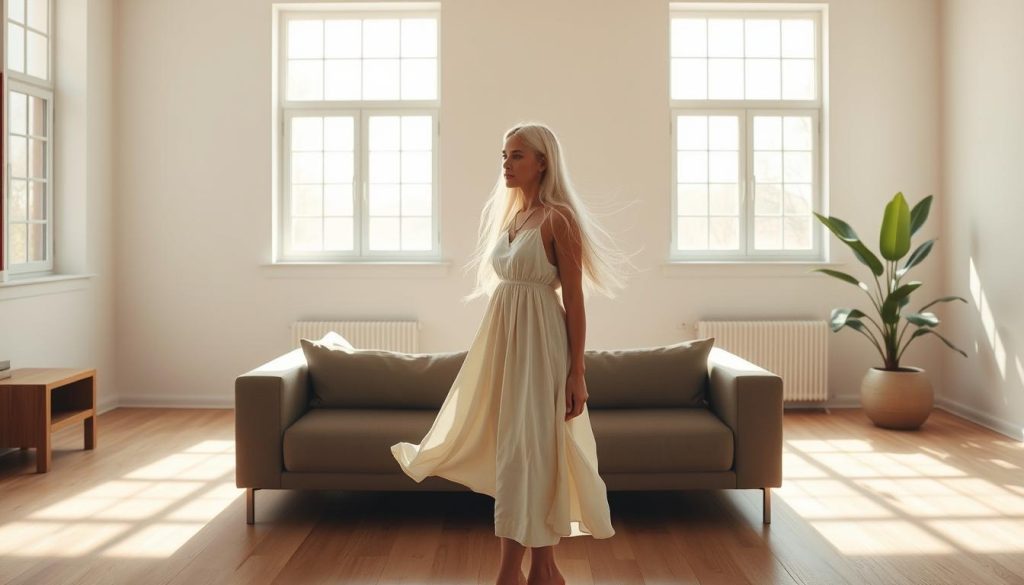
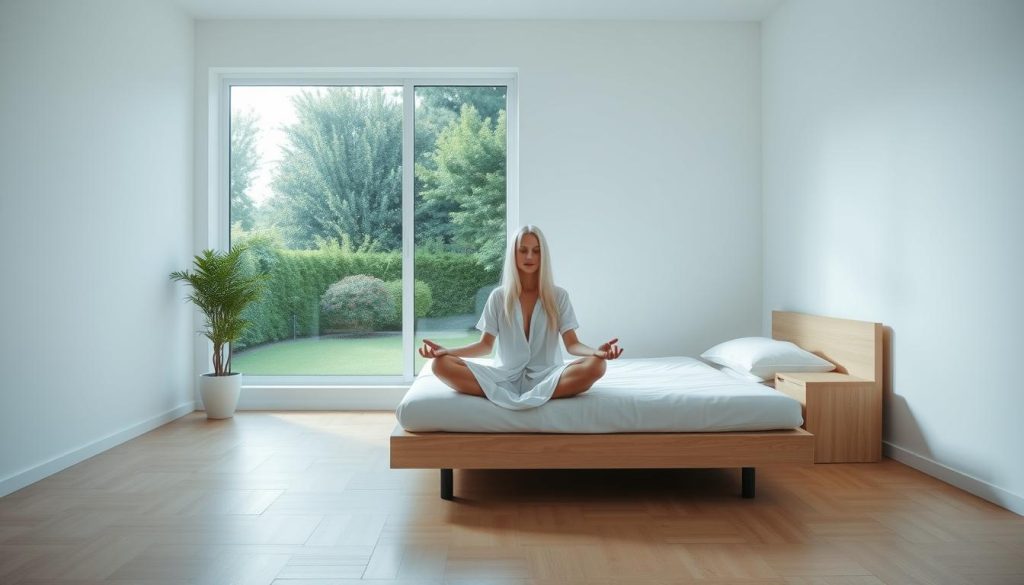
Ready to turn your room into a calm, clutter-free retreat that actually helps you sleep better? I’ll guide you step-by-step so you feel confident from the first move! You’ll set a clear vision for your space and learn simple actions that make the room feel intentional and light.
This plan works whether you want an austere mattress-on-the-floor look or a warm, pared-down style with wood accents. We’ll cover what to remove, what to keep, and how to pick a palette that makes the floor and rugs feel open. You’ll also learn how a clean headboard, a simple chair, and a smart rug can support calm without crowding the room.
Expect practical ideas you can use today! I’ll show why fewer throw pillows help, how art can support a soothing vibe, and how to keep surfaces from turning into clutter magnets. Get ready to create a home sanctuary that welcomes guests and restores your energy!
Key Takeaways
- Start by clearing the room and returning only essentials.
- Choose a limited palette and simple furniture for a lighter feel.
- Use wood accents and a single art piece to add warmth without clutter.
- Keep surfaces clear so the floor and rugs read as open space.
- Limit throw pillows and curate items for easier upkeep and calm.
Why a Minimalist Bedroom Matters Right Now
Clear surroundings send a clear message to your brain: rest now. Your bedroom is the engine of your rest, so cutting visual noise here pays off with better sleep and a calmer feel all day long!
When you strip away clutter and distractions, your brain stops sorting extra signals from walls, windows, and surfaces. That reduction makes it easier to fall asleep and to wake up with a clearer head.
Experts advise removing items that trigger anxiety, regret, or guilt. Store everyday things out of sight so they don’t steal your focus. Treat this room in your home like a sanctuary, not a catch-all for random stuff.
- Faster transition: A minimalist space helps you shift from busy to peaceful faster at night.
- Simple upkeep: Clean lines and simplified surfaces make tidying quick and effective.
- Real benefits: Smart interior design choices lead to better sleep and brighter mornings.
| Problem | Why It Matters | Quick Fix |
|---|---|---|
| Overflow storage on floor | Creates constant visual clutter that disrupts rest | Return items to closets or hidden bins |
| Surface overload on nightstands | Increases bedtime distraction | Keep only one essential item visible |
| Anxiety-trigger items in view | Signals stress to your brain via walls and windows | Store triggers out of sight or remove them |
Define Your Minimalism: Austere, Moderate, or Casual
Decide which lane feels right for you! Naming your approach clears the guesswork and makes every choice easier. Pick a path that matches your habits and daily needs.
Austere is for people who want the lightest footprint. Think: just a mattress on the floor and nothing else. If you love open space and calm, this option lets the bed breathe and reduces visual noise. The single word here is “less.”
Austere: Sleep with less
Bed only. No nightstands. No extras. The result? A stripped-back sanctuary that feels very intentional.
Simplified comfort
Moderate keeps white walls, bare windows, and a simple bed frame with neutral bedding. Add a basic lamp and one nightstand. This design choice balances comfort and restraint. It reads calm and useful.
Edited extras
Casual allows a rug, a streamlined dresser, window treatments, and one or two art pieces. Keep top surfaces clear so the furniture supports the look. Choose pieces with clean lines so storage disappears visually.
“Decide your essentials now, and your room decisions will get ten times easier!”
- Pick your lane and stick to it.
- Match the style to how you live.
- Use your definition as a north star to avoid extra pieces.
Choose a look that greets you with calm every time you walk in. Keep it intentional, and let the room work for your life!
Start With a Blank Slate: Clear, Edit, and Reset
Clear the room down to its biggest pieces and notice how the air seems to open up. Move everything out except the bed and any large furniture. Lie down and let your body register the calm—this is your test!
Remove everything but the bed and large furniture
Act fast. Keep only the bed and bulky frames. Step back and watch the clutter vanish from view. You get an immediate sense of open space and breathing room!
Identify and eliminate anxiety-triggering items
Look for paper piles, old receipts, and clothes that bring guilt. These things spike stress. Put them in a box or move them out of sight. If you hesitate, try a trial box outside the room for a week.
Bring back only the essentials and most cherished pieces
Return only what you use daily or truly love. Define a home for essentials so the room resists clutter. Store everyday items out of sight so your eyes can rest the second you enter.
- Clear quickly, then pause and feel the result.
- Keep a nightly two-minute reset habit to maintain calm.
- Use trial storage for unsure items—you’ll rarely miss them.
| Action | Result | Storage Tip |
|---|---|---|
| Remove small items | Instant visual calm | Use closed bins or drawer organizers |
| Box anxiety triggers | Reduced bedtime stress | Label and store outside the room |
| Return essentials only | Functional and peaceful space | Assign clear homes for daily things |
Follow this quick way and your room will feel restful every night. Do this reset and you’ll actually keep a minimalist bedroom that works for you!
Tame the Closet: No More “Floordrobe”
Start by shrinking your wardrobe to what you actually wear and watch the clutter melt away. Edit fast and be honest—if you haven’t worn it this year, let it go. You’ll free up storage and create calm in the room immediately!
Right-size your wardrobe so drawers and hangers work for you. Fold sweaters and stack by weight. Hang shirts and jackets so clothes breathe and the floor stays clear.
Right-size your wardrobe for uncluttered storage
Keep only what fits your current life and style. Matching hangers give a tidy look that makes upkeep easy. If space still feels tight, you probably have too many items—not too little closet.
Folding, hanging, and seasonal rotation that actually sticks
Always fold or hang—no exceptions. Use clear bins under the bed for off-season pieces. Rotate seasonally: keep current items at eye level and store the rest labeled and neat.
- Edit to what you wear so morning routines speed up.
- Organize drawers with dividers to keep categories neat.
- Limit laundry staging to one bin so piles never take over.
| Problem | Fix | Result |
|---|---|---|
| Floordrobe piles | Commit to folding/hanging daily | Clear floor, cleaner lines |
| Seasonal overflow | Use under-bed bins or top-shelf storage | More usable space in closet |
| Mixed hangers | Swap to matching slim hangers | Tidier look, easier upkeep |
Storage That Disappears: Dressers, Bed Frames, and Partitions
When storage blends into the architecture, the whole space breathes. You get a calm room and fewer decisions each day!
Clean lines on top, hidden capacity below. Pick a low-profile dresser with flush fronts and minimal hardware so the furniture reads as one quiet element. Keep the top nearly empty and the dresser will visually disappear.
Under-bed containers are a game changer. Use a bed frame with built-in drawers or fitted containers for blankets and off-season clothes. Label each bin so you find things fast without dumping items on the floor.
Divide and conquer with near-invisible partitions
Add a slim partition to hide a micro-closet or laundry zone. Match wood tones and lines to the room so the divider feels like part of the architecture, not an afterthought.
“Every hidden solution should save you steps daily; if it doesn’t, rethink the layout.”
- Prefer furniture with flush fronts and minimal hardware.
- Keep sightlines open—from door to window—to make the space feel larger.
- Use matching wood tones so storage reads as one calm unit.
| Solution | Why it works | Tip |
|---|---|---|
| Low-profile dresser | Disappears visually when top is clear | Keep one decorative item max |
| Bed frame with drawers | Uses floor space without clutter | Use labeled drawers for linens |
| Near-invisible partition | Conceals laundry or micro-closet | Match wood tones to architecture |
Color Palette: Whites, Cool Neutrals, and One Bold Move
A tight palette of whites and cool neutrals gives your room an instant, polished baseline! Start here and choices get easy. Bright whites keep the space airy and calm.
Build on a black white foundation and add soft gray gradients so surfaces feel layered, not flat. Repeat the same tones across bedding, curtains, and furniture to keep clean lines and a cohesive look.
Make one bold move. Choose a deep navy wall or a single color wash to create a focused statement without clutter. Or paint only the trim for a punchy, low-effort change that reads as clever design.
- Use a three-hue max palette to simplify choices.
- Layer neutral tones to unify mixed materials.
- Lean on one statement color so the rest stays serene.
| Approach | Where | Effect |
|---|---|---|
| Whites + cool neutrals | walls, bedding | Sleek, calming base |
| Black white + gray gradients | fabrics, trim | Rich depth without clutter |
| One bold accent | single wall or trim | Statement with minimal effort |
Keep it simple and repeat tones! This palette-forward approach makes future decisions fast and stress-free, leaving your bedroom calming and intentional.
Texture Over Clutter: Bedding, Throws, and Interest Without Excess
Tactile layers make a space read as intentional, not crowded. You can create depth and warmth with fabrics instead of more stuff! Focus on how things feel when you sit or slide under the covers.
Monochrome textures keep the bed calm while adding interest. Think linen sheets, a chunky knit, and a soft sheepskin throw to stop an all-white bed from feeling too sparse.
Monochrome textures: linen, sheepskin, and layered weaves
Use bedding in a single palette so the surface reads as one calm plane. Choose neutral tones and repeat a few textures across the room to tie everything together.
One statement weave on the bed goes a long way. Match that texture to a small rug or a chair throw to make the room feel cohesive and intentional.
Keep throw pillows purposeful, not plentiful
Limit throw pillows to the ones you actually use. They should support comfort, not just decor. Too many pillows create visual noise and work against the restful feel you want in a bedroom.
- Create interest without visual noise by layering textures—linen sheets, a chunky knit, and a sheepskin throw.
- Keep bedding in a monochrome palette so the room feels soothing, not busy.
- Add warmth with tactile materials instead of more objects—you’ll get depth without clutter.
“This is style you can feel the second you slide under the covers.”
| Element | Why it works | Tip |
|---|---|---|
| Linen sheets | Soft, breathable texture | Stick to whites or neutral tones |
| Sheepskin throw | Adds warmth and visual depth | Place at foot of bed, not folded into piles |
| Single statement weave | Creates focal interest without clutter | Repeat texture elsewhere for cohesion |
Choose the Right Bed: Frame, Height, and Headboard Shapes
Pick a bed that feels intentional—it’s the single piece that defines your whole room! The right frame and height change how the ceiling reads, how you move, and how the space feels when you enter.
Lower mattress heights are trending in calm interiors. A floor-level or low-profile bed grounds the room and makes the ceiling seem taller. Draped linen bedding finishes the look with effortless style.
Low-profile and floor beds for a grounded feel
Go low if you want a grounded, relaxed vibe. A mattress near the floor feels chic and tidy. It also reduces visual bulk so the room breathes.
Keep mattress height modest for a sleeker silhouette and easier maintenance.
Floating beds that free up floor and visual space
A floating bed lifts the frame off the floor and creates visual air beneath. This approach frees real floor space and acts like functional art.
Floating frames work well in tight rooms where every inch of visible floor helps the eye relax.
Scalloped and carved headboards for subtle statement
Choose a headboard that whispers, not shouts. Scalloped or lightly carved pieces add interest without heavy presence.
Match the headboard finish to your palette so it blends rather than competes. This supports reading comfort and keeps extra pillows to a minimum.
- Pair a low bed with hidden drawers or adjacent storage if space is tight.
- Make sure the bed supports reading without piling on decor.
- This choice sets the tone for your interior design—choose with intention!
| Option | Why it works | Tip |
|---|---|---|
| Floor/low-profile | Grounds the room, taller perceived ceiling | Drape linen bedding for soft lines |
| Floating bed | Frees visual floor space, modern look | Use under-bed lighting or slim drawers |
| Scalloped headboard | Adds subtle interest without bulk | Coordinate finish with room palette |
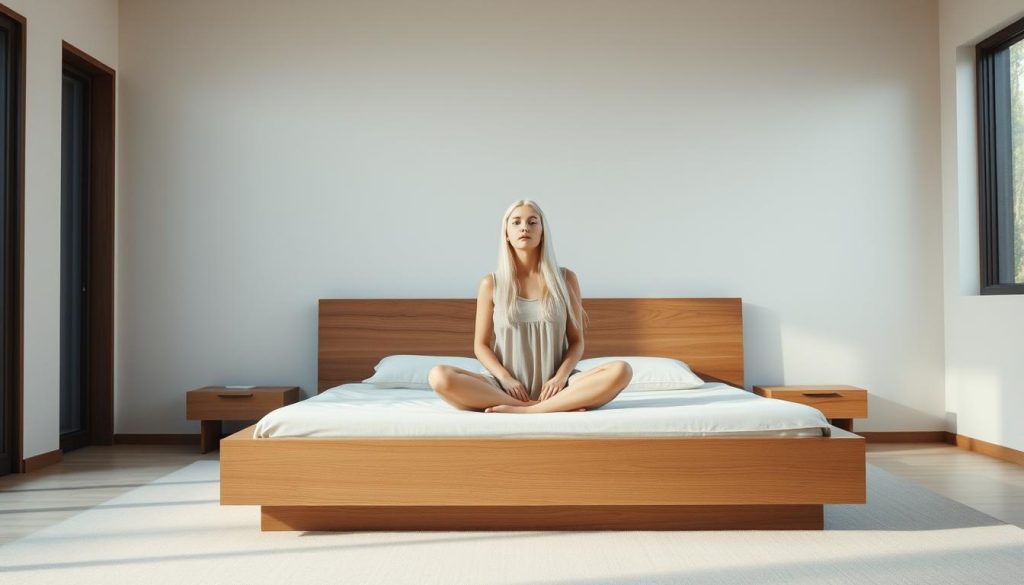
“This one decision sets the tone for your entire space—choose with intention.”
Clean Lines in Furniture: Nightstands, Chairs, and a Place to Read
Select pieces that breathe—clean profiles, slim legs, and just what you need at hand. Keep the layout anchored around the bed so pathways stay open and the whole room flows.
Pick nightstands with clean lines and just enough storage for true bedside essentials. One drawer and a flat top is perfect. Limit surfaces to what you can reset in 60 seconds—nightstand, chair arm, and that’s it!
Add a single supportive chair to create a quiet reading nook without crowding the space. Choose a chair with light legs and a compact silhouette so the floor feels airy. A small reading lamp with a focused beam reduces glare and makes long reads comfortable.
- Keep furniture legs streamlined so the room feels open.
- Coordinate hardware finishes so pieces look related, not random.
- Everything should serve a purpose: better reading, easier mornings, calmer nights.
| Piece | Why it works | Tip |
|---|---|---|
| Nightstand | Holds essentials without clutter | One drawer, one surface item |
| Chair | Creates a reading spot without bulk | Pick slim legs and compact seat |
| Reading lamp | Focused light, less eye strain | Choose adjustable beam |
“Design around use and the calm will follow.”
Rugs and Floors: Lay a Strong Foundation
Begin at your feet: the right rug sets the tone for every design choice that follows! A neutral-hued geometric rug anchors the bed and defines the bed zone without adding visual clutter.
Neutral geometric rugs keep the palette calm and let your bedding and wood tones shine. Size up so the front legs of furniture sit on the rug — this unifies the layout and calms the eye.
Neutral geometric rugs to anchor the room
Choose a flatweave for a sleek look or a low-pile plush for cozy texture. Keep colors limited to your chosen palette so the foundation supports the whole room. This simple base layer is durable and easy to maintain.
Graphic rugs on white floors for bold-but-clean contrast
On white floors, one graphic rug delivers a bold-but-clean contrast. Pair it with a large abstract on the walls for a cohesive black white or muted color approach. Let the rug frame the bed subtly so the bed remains the star of the bedroom!
- Tip: Match rug texture to design goals—flatweave for sleek, plush for cozy.
- Keep the color story tight to support the room’s look and flow.
Walls and Art: Go Big on Blank Walls—Then Curate
Blank walls are powerful tools — they let the room breathe and your eye rest! Use empty wall space to showcase your room’s architecture and create calm. This is design that works hard by doing less.
Let architecture be the statement. Keep wall color quiet so trim, moldings, and window light read clearly. When walls have room to show, the whole home feels thoughtful and spacious.
Single large artwork vs. many small pieces
Pick one large piece of art instead of a grid of small frames. A single work makes a clear statement and cuts visual chatter. Use a slim frame that echoes your furniture lines so the piece integrates seamlessly.
Creative headboard idea: In a spare layout, carved Moroccan doors or a sculptural panel can act as a headboard. It’s art that doubles as function and gives the wall a striking shape.
- Start with generous blank walls to showcase architecture.
- Place art where your eye lands when you enter the room.
- If you have great windows, let light join the composition and keep nearby wall space minimal.
- Aim for interest without clutter—every wall choice must earn its spot.
| Choice | Why it works | Tip |
|---|---|---|
| Generous blank walls | Showcases moldings and windows | Use calm wall color to highlight features |
| One large artwork | Reduces visual noise, creates a statement | Hang at eye level entering the room |
| Carved doors as headboard | Combines art and function | Match tones to wood and textiles |
Windows and Light: Bare, Filtered, and Intentional
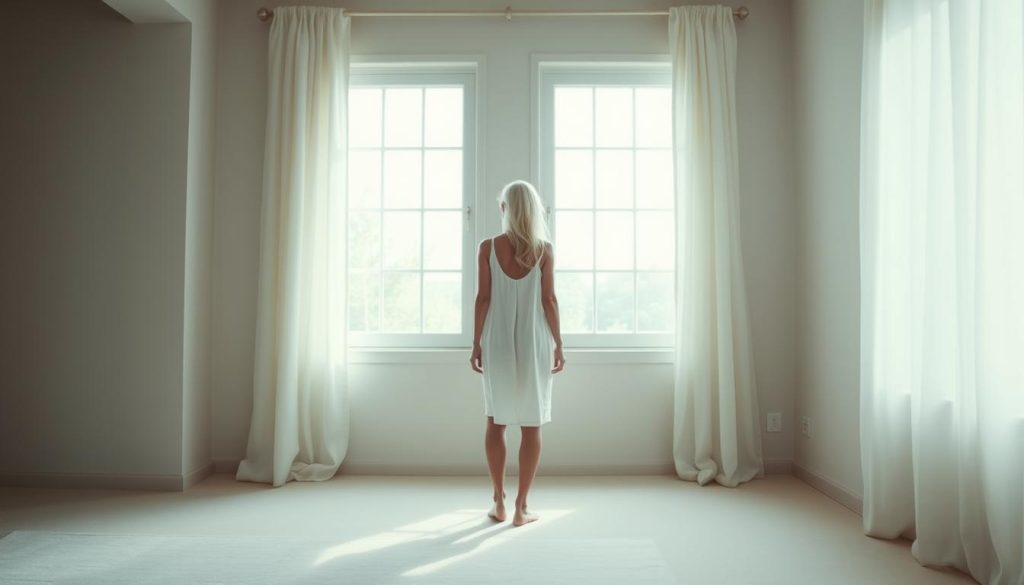
Let natural light do the decorating—clear windows give your room instant lift! When privacy allows, open sightlines to the outdoors and let the sun flood the space. Light simplifies decisions and makes the walls and bed feel fresher every morning.
When you need coverage, choose treatments that tuck away and read as clean lines. Roller shades, slim panels, or simple Roman shades disappear when raised and create a calm profile when closed. Match the treatment color to walls so everything reads as one cohesive plane.
Bare windows where privacy permits
When privacy isn’t an issue, go bare. Uncovered windows make the room feel larger and boost mood. Leave sills clear so light becomes your main decor.
Simple treatments that keep lines clean
Pick light-filtering fabrics to control glare and keep a soft glow at night. Use minimal hardware and align rods so nothing interrupts sightlines across the room. Position the bed to enjoy morning light without sacrificing sleep quality!
| Approach | Why it works | Tip |
|---|---|---|
| Bare windows | Opens the space and maximizes daylight | Keep sills clear and avoid heavy decor |
| Roller shades | Disappear when open, read as clean lines | Match color to walls for cohesion |
| Light-filtering panels | Controls glare, keeps soft, restful glow | Use minimal hardware and aligned rods |
Add Warmth with Wood and Natural Materials
Introduce timber to create a quiet, enveloping backdrop that feels both modern and lived-in. Simple wood paneling wraps a room in gentle texture without heavy curtains or bold paint. This gives instant warmth and calm to your space!
Timber paneling for enveloping warmth
Use timber paneling to add instant warmth without complicating your palette. Keep grain subtle so the walls read like a soft layer, not busy decor. Matte finishes cut glare and feel natural under daylight.
Honey-toned woods in midcentury-inspired interiors
Choose honey-toned wood for a friendly, midcentury nod that still feels restrained. Repeat the same wood tone in small doses—nightstand, frame, or a tray—to unify the scheme and support your chosen palette.
- Balance wood with light bedding so the bedroom stays bright and restful.
- Seal finishes in matte so surfaces don’t throw harsh reflections.
- Let the material do the talking: fewer pieces, higher quality.
| Approach | Why it works | Quick tip |
|---|---|---|
| Timber paneling | Creates an enveloping, cozy backdrop | Keep panels narrow and grain subtle |
| Honey-toned accents | Adds warm midcentury character | Match small pieces to main wood tone |
| Matte seal | Reduces glare, enhances natural feel | Use oil or matte lacquer for longevity |
Styled, Not Stuffed: Accessories That Serve the Space
A handful of well-chosen pieces brings personality and calm, not chaos. You want items that help you relax and look intentional. Keep accessories practical and joyful so your room feels lived in but easy to reset!
Books, blooms, and candles—small doses, big calm
Curate just a few things you love. A stack of books, a tiny vase of fresh blooms, and one candle refresh the room without creating work. These additions add real interest and support your wind-down routine for reading or quiet time!
Keep the bedside surface functional: lamp, book, water. That’s it. Use a small tray on furniture to corral keys, glasses, or a watch so clearing the space takes seconds.
Avoid fussy knick-knacks that collect dust
Skip tiny decor that creates dust and decision fatigue. If you rotate items, rotate flowers or a single art object. Don’t pile pieces—make each one earn its spot by improving daily rituals.
- Curate just a few accessories—books, a tiny vase, and a single candle.
- Keep the bedside surface simple and resettable.
- Use trays to corral small items on furniture for quick tidy-ups.
- Limit rugs and textiles to pieces you can shake out quickly.
- Place one art piece so it complements the layout, not competes with it.
“Make every accessory earn its spot by improving your daily reading or wind-down ritual.”
Minimalist Bedroom Mistakes to Avoid
Small design habits can quietly wreck the calm you worked so hard to build. I want you to keep the room peaceful, so here are the biggest mistakes to dodge!
Over-accessorizing and pillow overload
Less is louder. Too many throw pillows or decor immediately creates visual clutter and fights that calm vibe. Pick two cushions max and one cozy throw that you actually use.
Hiding clutter instead of reducing it
Stuffing things into random bins is a band-aid. Reduce first, then choose storage that supports daily life. Keep the floor clear so the space reads open and orderly.
Ignoring daily habits like making the bed
Make your bed every morning! A made bed sets the tone for the whole day and helps your mind settle for real rest. Tiny routines beat big overhauls.
- Don’t let accessories multiply—pillow overload undo the look.
- Avoid buying storage before you edit; it can enable more clutter.
- Keep the floor clear—no laundry piles or “temporary” stacks.
- Expect a guest? Your daily systems should make a calm, ready bedroom automatic.
“A quick 60-second reset each night keeps the room tidy and your mind calmer!”
Conclusion
Treat your space like a toolkit: every piece must earn its spot and make life easier! Edit with intention, choose a tight palette, and let texture do the heavy lifting so the room can breathe.
Keep furniture simple, hide storage, and clear surfaces. These moves keep your minimalist space effortless and calm. Make a single bold choice and let everything else support that feel.
Two minutes a day is your reset power. Small habits beat big overhauls and help this design actually work for you.
Trust your instincts and personalize these ideas. This is interior design that upgrades your home, so your bedroom will feel like a restful, confident place you love!
Discover the transformative power of authentic healing crystals from Conscious Items, designed to align your spirit and connect you with nature’s energy. With over 500,000 satisfied customers and a 4.9/5 Trust pilot rating, don’t miss out on finding your perfect crystal—shop now before these unique treasures are gone! Take their exclusive crystal quiz today at Conscious Items to uncover your spiritual muse.
If you liked reading this article you will love this article Crystal Healing Properties: Unlock White Crystal Power!
Elevate your spiritual journey with Conscious Items’ genuine gemstones, trusted by thousands and backed by a 30-day money-back guarantee. Don’t let these powerful crystals pass you by—stocks are limited, and the perfect one for you is waiting! Visit Conscious Items now to find your crystal match before it’s too late.
If you liked reading this article you will love this article Minimalism Checklist: The ONLY Checklist you need
Morganite Crystal Healing Properties
Habits of Healthy Relationships: 10 Keys to Lasting Love: The Ultimate Love Stone for Heart Healing