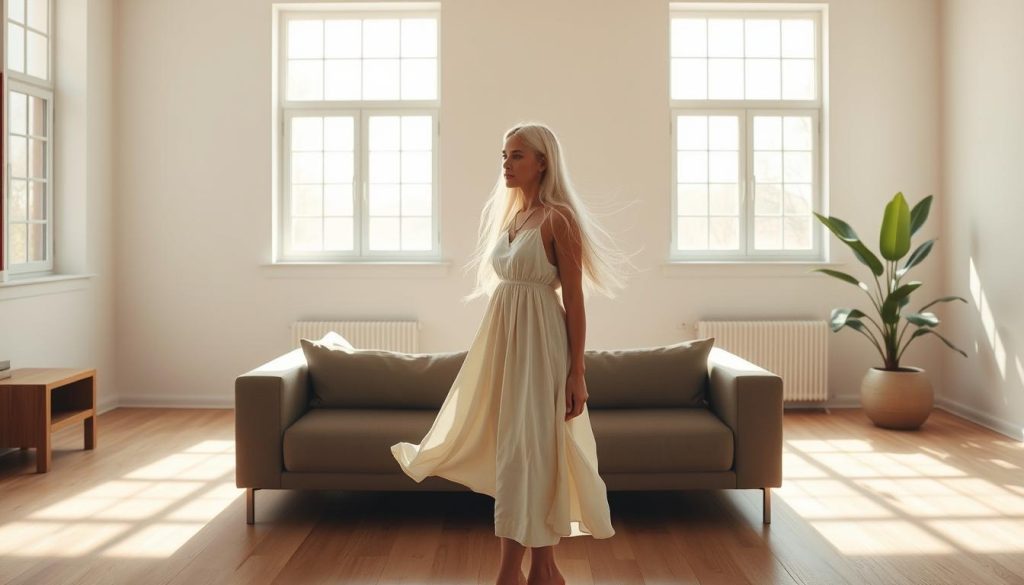

Minimalism Style Can letting go actually give you more freedom? I ask that because you deserve a home and life that lift you up, not weigh you down! Simplicity, clarity, singleness… — those words point to a clear design that helps you focus on what matters.
I’ll show you quick, doable moves to claim your space and your schedule. You’ll learn how living with fewer things creates room for rest, energy, and meaningful work. This idea works in the real world and on a real budget!
Think of this as a flexible design mindset, not a rigid rulebook. We’ll highlight clear surfaces, purposeful objects, and calm space that supports you. By the end, you’ll know what earns a place in your home and what to release with gratitude!
Key Takeaways
- Clear purpose: Remove excess to focus on what matters.
- Small steps: Quick wins first, deeper shifts next.
- Real-world fit: A design that works for your budget and vibe.
- More freedom: Less clutter means more energy for people and goals.
- Daily habits: Tiny tweaks add up to big change.
Start Here: What Minimalism Means Today
Begin with a single, small edit that makes your living feel lighter and more intentional! This idea is simple: keep fewer possessions that serve your values and drop the rest.
Minimalism centers on intentional choices, clarity, and purpose. It gives you real freedom from the consumer chase and quiet relief from daily stress. The result is a life that translates across rooms, jobs, and seasons.
- Design that supports your day — edit distractions, amplify essentials.
- A culture shift: choose presence over accumulation and protect your heart.
- Small acts unlock time, money, and energy for people and projects you love.
Start small today: clear one drawer, change one habit, or remove one item. You’ll feel the second boost of freedom as space invites focus. Embrace this daily design practice and watch your world calm down!
Minimalism Style
Trim your possessions so each item earns its place and your life breathes easier! This approach centers on owning fewer, better things that free attention for family, work, and art.
Living with intentionality means editing toward purpose. Choose objects that serve daily needs and add meaning. When things stop distracting you, people and projects get the room to shine!

From De Stijl to Bauhaus to Now
The movement began with De Stijl geometry and Japanese restraint. Bauhaus brought function-first thinking into architecture and product design.
“Less is more.” — Ludwig Mies van der Rohe
Architects like Mies van der Rohe, John Pawson, and Tadao Ando used glass, steel, concrete, and light to reveal form and purpose.
Core Principles That Guide Every Room
- Function first: Keep what works and remove the rest.
- Simple forms & clean lines: Let geometry and clarity lead.
- No excess ornamentation: Every element must earn its place.
- Materials & light: Glass for openness, wood for warmth, concrete for honesty.
Ask: does this serve the purpose? If not, release it. Follow these principles and your space will feel calm, useful, and beautifully intentional!
Minimalist Interior Design Basics for Beginners
Focus on essentials first, and the rest of the room will fall into place! Start by choosing a calm palette—whites, beiges, or soft grays—and add one accent you love. This keeps the atmosphere serene and makes rooms feel larger.
Build each room around a few well-chosen pieces. Pick a great sofa, a right-sized table, and a supportive chair. Use clean lines and simple forms so the eye rests. Repeat edges and shapes to create a steady rhythm in the space!
Choose honest materials: wood for warmth, glass for openness, steel for durability. Let natural light lead—simple window treatments or bare windows let your rooms glow. Every element should have a purpose, not just decoration.
Hide clutter with smart storage. Think wall-to-wall cabinets without pulls, benches with lift-up lids, and fitted closets. Keep surfaces clear and display one meaningful object per zone so visual noise disappears.

| Material | Why it works | Best use |
|---|---|---|
| Wood | Adds warmth and tactile depth | Flooring, furniture, trims |
| Glass | Maximizes openness and light | Tables, partitions, windows |
| Steel/Concrete | Gives structure and honest finish | Frames, countertops, accents |
- Edit with intention: if something doesn’t serve comfort, function, or joy—let it go!
- Use multi-function pieces to save room while keeping things handy.
Getting Started at Home: A Step-by-Step Path to Simplicity
Pick a zone, set a 20-minute clock, and edit with purpose! Start small so you win quickly and feel motivated. Tackle one room at a time. Clear surfaces first so you see progress and gain momentum.
Edit the Excess: Decluttering Rooms, Surfaces, and Visual Noise
Sort things into keep, donate, recycle, and trash. Limit each pile to match your essentials, not the size of your storage. Use short time blocks—15 to 30 minutes—so this becomes a daily habit, not a weekend slog.
Americans discard over 68 pounds of clothing a year and the average household holds hundreds of thousands of items. Cutting duplicates and unused pieces gives you back time, money, and cleaner living space!
Keep the Heart: Sentimental Items, Display with Purpose, Avoid Storage Bins Overflow
Choose a few meaningful pieces and display them with intention. A framed photo or one heirloom bowl tells your story without overcrowding the room. Avoid hiding memory boxes in bins that never get opened.
- Design simple landing zones by the door, desk, and bed to cut visual noise.
- Right-size storage to what you actually use; when storage shrinks, peace grows.
- Finish strong: set a weekly reset to return stray items and protect your new way of living!
Warmth Without Clutter: Making Minimalism Feel Human
You can make a room feel cozy with a few tactile choices and clean lines! Start by picking a tight palette and building texture from there.
Texture and Layers: Linen, Wool, and Natural Finishes for Depth
Use linen curtains, a wool rug, and cotton throws to add depth without clutter. These materials soften hard surfaces and invite touch.
A Single Statement: Art and Decoration with Purpose
Choose one bold art piece per room. One large work beats many small items and makes decoration feel intentional.
Open Space That Breathes: Layouts that Support Everyday Living
Float furniture, keep clear walking paths, and let natural light bounce. This keeps the space alive and easy to move through.
Craftsmanship Counts: Choosing Fewer, Better Pieces
Favor solid joinery and durable finishes. A well-made table or tray in wood lasts and reduces replacements.
- Balance soft and hard: a boucle throw on a sleek sofa.
- Use a “one in, one out” rule to fight clutter and keep harmony.
Good design is honest, useful, and human. Let each element earn its place in your interior design and the whole room will sing!
Avoid These Beginner Pitfalls
Don’t let glossy media stories define what your home should feel like. You can get a calm, useful space without cold rooms or big bills!
Myths vs. Reality: Minimalism Isn’t Boring, Beige-Only, or Expensive
Myth: It must be beige and bland. Reality: Simplicity is a tool — use texture, contrast, and one bold accent to make rooms sing.
Don’t be fooled by media images that show only high-end architecture. Good minimalist design grew from accessible craft and efficient materials. You can edit what you own and feel instant freedom.
“Simplicity frees attention for what matters.”
- Minimalist design cuts ornamentation to let your best pieces shine.
- Avoid over-editing; add plants, textiles, and one personal object to keep warmth.
- Fix clutter at the source — don’t just hide mess behind closed doors.
| Common Myth | Reality | Quick Fix |
|---|---|---|
| Needs expensive architecture | Works in rentals and starter homes | Align furniture lines; edit surfaces |
| Boring beige only | Uses texture and contrast | Add one accent and a rug |
| Anti-art or cold | Anti-excess ornamentation, not art | Show one meaningful piece |
| Fixes mess visually | True simplicity solves the source | Create habits and right-size storage |
Keep your why front and center — when choices get hard, let simplicity serve your time, goals, and people, not anyone else’s style rules!
Conclusion
Lead with simple principles and watch your home become a calmer place to live! Choose purpose, not pressure, and let each decision support the life you want.
Keep freedom front and center: fewer, better choices free time and energy for real living. Let your palette stay simple, your edits stay kind, and your heart guide what stays.
Move forward a little each day. Declutter gently, design around essentials, and protect open space so you can breathe. Let materials, light, and thoughtful architecture inspire honest, timeless interior design.
Remember: if an item doesn’t serve function, comfort, or meaning, it leaves. This is not less living — it’s more living with clearer intent!
Discover the transformative power of authentic healing crystals from Conscious Items, designed to align your spirit and connect you with nature’s energy. With over 500,000 satisfied customers and a 4.9/5 Trust pilot rating, don’t miss out on finding your perfect crystal—shop now before these unique treasures are gone! Take their exclusive crystal quiz today at Conscious Items to uncover your spiritual muse.
If you liked reading this article you will love this article Crystal Healing Properties: Unlock White Crystal Power!
Elevate your spiritual journey with Conscious Items’ genuine gemstones, trusted by thousands and backed by a 30-day money-back guarantee. Don’t let these powerful crystals pass you by—stocks are limited, and the perfect one for you is waiting! Visit Conscious Items now to find your crystal match before it’s too late.
If you liked reading this article you will love this article Minimalism Checklist: The ONLY Checklist you need
Morganite Crystal Healing Properties
Habits of Healthy Relationships: 10 Keys to Lasting Love: The Ultimate Love Stone for Heart Healing