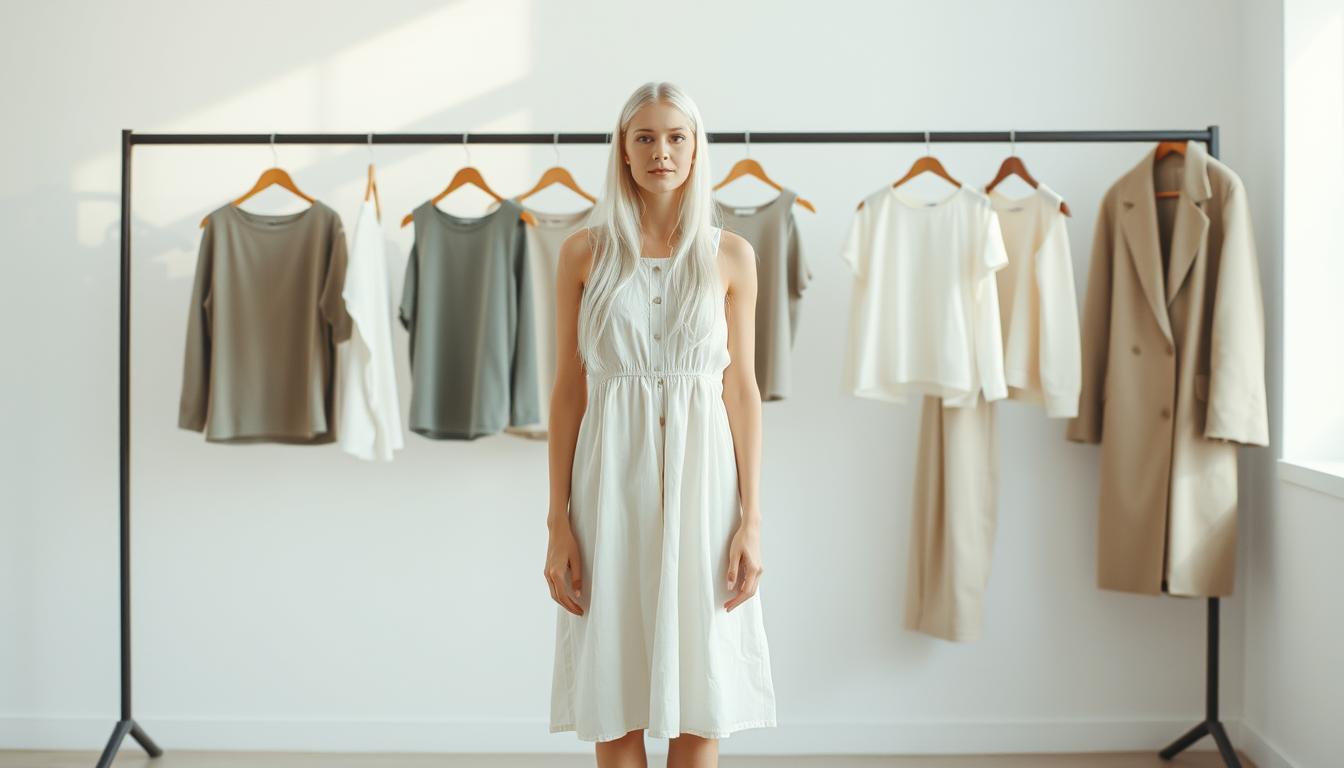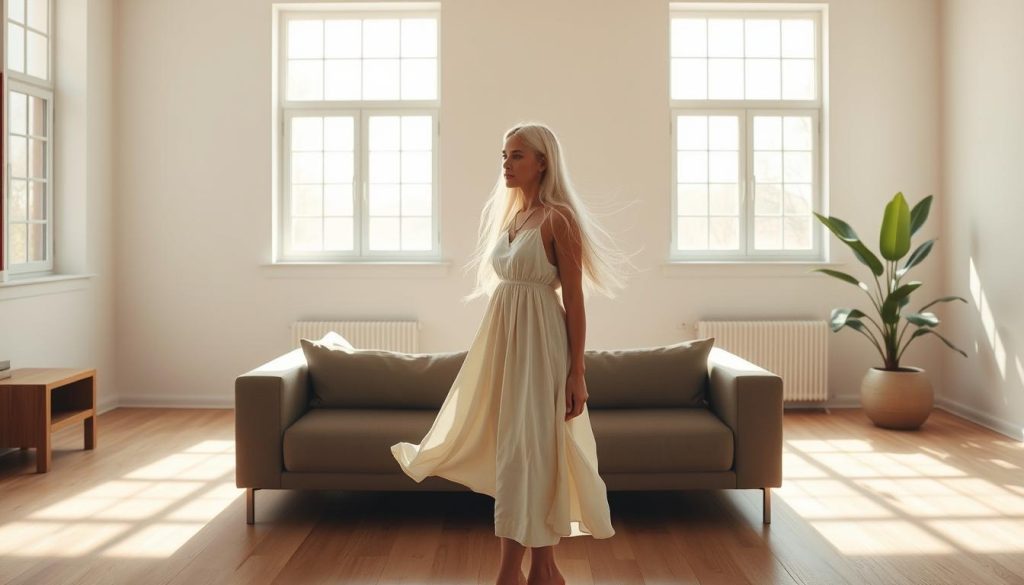

Minimalism Maximalism Which style actually makes your home boost joy and save time? That question changes how you arrange your space and how you live!
You might love calm, simple rooms or crave bold color and layered collections. People experiment all the time — one room stays serene while another becomes a playful cheat room.
We’ll compare minimalism and maximalism in plain terms so you can pick a way that fits your life and calms your mind. Expect practical ideas for each room and tips to ditch junk without losing soul.
This guide is your map to how these styles grew, how they work, and how to blend them into a personal style that supports your time and goals. Ready to choose with confidence? Let’s go!
Key Takeaways
- Both approaches offer real benefits — choose what energizes you!
- You can mix styles room by room to match function and mood.
- Focus on purpose: save time, calm your mind, or showcase collections.
- Practical steps help remove junk without stress or regret.
- Try small experiments to see what fits your life and world view.
What Minimalism and Maximalism Really Mean Today
You can tune your home to breathe or to buzz, and both choices say something about how you want to live! Pick a path that supports daily joy and function.
Minimalism: need over want, calm over clutter
Minimalist living often grows from values: sustainability, frugality, or choosing experiences over things. Many minimalists edit displays so rooms feel calm and purposeful.
In these spaces you’ll see clear lines, a few meaningful items, and systems that save time. The aim is to keep what matters and remove what distracts.
Maximalism: color, collection, and expressive layers
A maximalist home celebrates bold color, layered textiles, and a personal collection that tells your story. A gallery wall full of art and photos can become a vibrant focal point!
This style boosts energy and invites conversation. Plants, books, DIY pieces, and travel finds all work together to create a joyful, lived-in vibe.
Cluttercore vs. classic maximalist: decorative comfort or designed abundance?
Classic maximalist design uses scale and balance to keep chaos readable. Cluttercore skips strict rules and piles on things that spark joy for decorative comfort.
“It’s not about more or less — it’s about what makes your day better.”
- Choose editing for calm.
- Choose layering for expression.
- Mix room by room to match your mood and needs!
How We Got Here: From Recession-Era Minimal to Vintage Maximalist Revival
Style cycles flip between excess and restraint, driven by money, mood, and media. In the mid-aughts, a “more is more” period filled homes with flashy buys—think Teresa Giudice’s $120,000 furniture splash in 2009. Then the recession hit and tastes shifted fast.
The lean years made warm minimalism feel right. Kinfolk photos sold quiet living rooms. Kyle Chayka called the uniform cafe look “Airspace”—a raw wood table, an Eames chair, white walls everywhere.
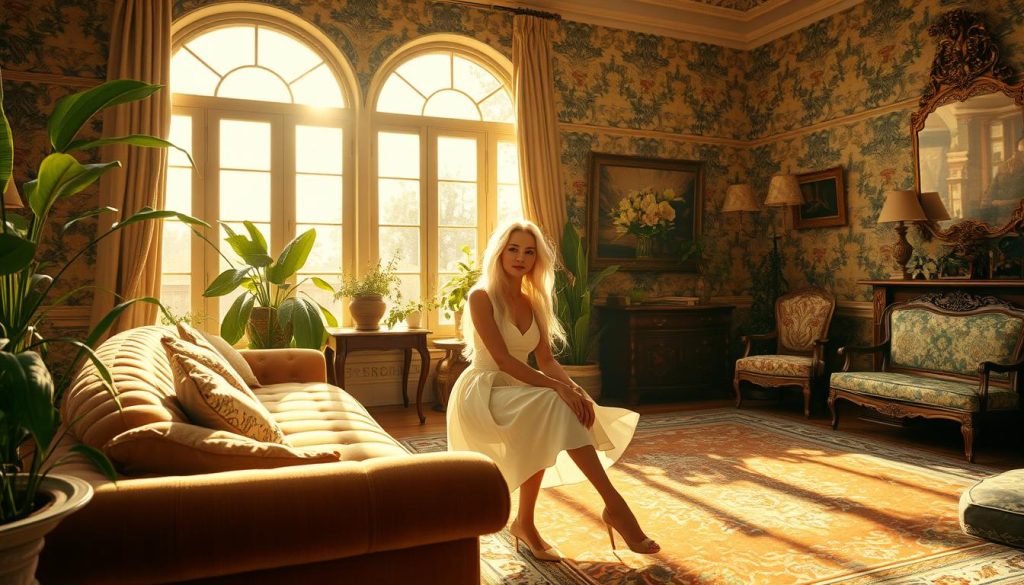
Design pendulum swings
By the next year, people wanted layering again. A vintage revival grew! Heirlooms, handmade art, and cozy collections returned to walls and shelves.
Culture, inclusion, and identity
Who decides what’s necessary? Critics point to Adolf Loos’s anti-ornament roots and ask if a spare look excludes some people. Some creators, like Annika Hansteen-Izora, chose bold displays to take up space and claim identity.
“Even curb ‘junk’ can become a treasured find, turning living rooms into personal museums.”
- Celebrity extremes—one nearly empty kitchen vs. a home full of art—shaped what we imagine possible.
- Designers like Dabito and Justina Blakeney pushed color and texture back into interiors.
- Vintage chairs and reclaimed wood tables went from unique to ubiquitous, then prized again for being original.
Minimalism vs Maximalism
: Key Differences That Matter
Your home can be a calm retreat or a bold stage; both send a clear message about how you want to live. Read this quick guide to spot the practical differences and pick a way that fits your daily rhythm!
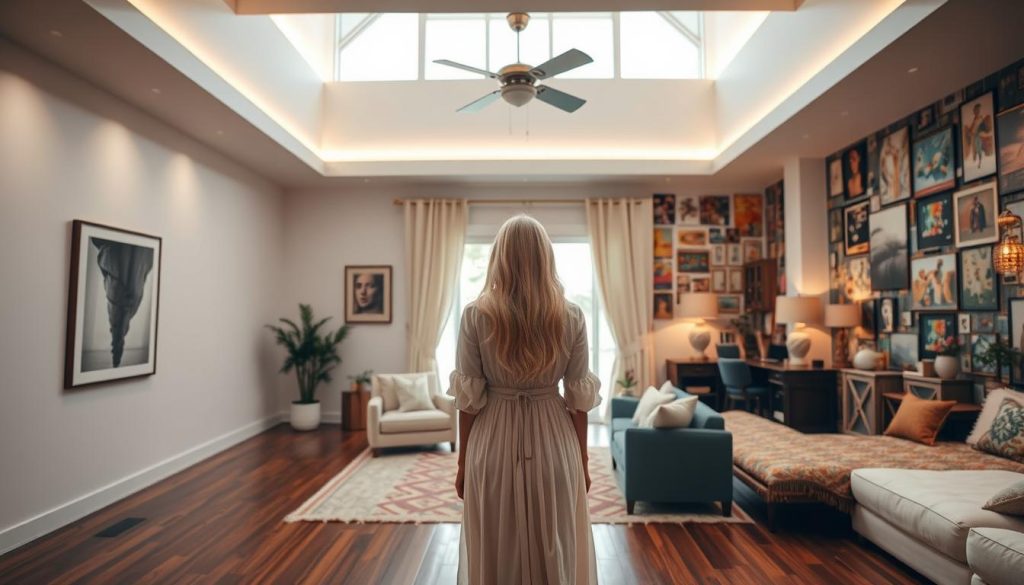
Look and feel
Calm or energetic? One approach favors generous white space, quiet tones, and clean lines to help a person focus. The other celebrates saturated colors and layered visual texture that invites close looks and long conversations.
Lifestyle and mindset
One style champions essentialism and frugality: buy less, buy better. The opposite trusts storytelling through possessions, grouping keepsakes so your interiors tell your story.
Design structure
Function-first vs. curated abundance. Think restraint with one solid table or deliberate eclectic mixes of woods, metals, and textiles that read as intentional.
Sustainability takes
- Buy fewer, higher-quality items for a long life.
- Keep, repair, and personalize to reuse others’ cast-offs as proud signatures.
| Feature | Restraint | Abundance |
|---|---|---|
| Look | Quiet tones | Saturated colors |
| Mindset | Essentialism | Storytelling |
| Sustainability | Less, better | Keep & personalize |
Both ways work! Choose the sort that helps you live clearer, rest easier, and enjoy your interiors every day.
Room-by-Room: Applying Each Style at Home
Room by room, you can shape mood, function, and storytelling with smart choices. Think of each room as a chance to pick one clear approach and make it sing!
Living room focal points: editing vs. layering
For a calm living room: choose one focal piece—an elegant sofa, a sculptural lamp, or a signature rug. Edit other stuff ruthlessly so your spaces feel open and intentional. Keep furniture low-profile and functional so the room breathes.
For a maximalist living room: layer textiles, add a colorful rug, and build a gallery wall with art and photos. Mix vintage pieces and plants to give the space a soulful pulse. Group things you love—books, travel finds, knick-knacks—so your stuff reads as curated, not chaotic.
- Start with a simple layout: define a clear seating zone and pick anchor furniture.
- If you have a lot of treasures, rotate displays seasonally to keep things fresh.
- Short on storage? Use closed cabinets for overflow and show your most meaningful pieces.
Either way, edit or layer until the energy feels right for living and relaxing. You’ll find a way that saves time, sparks joy, and makes your home feel like you!
Minimalism Maximalism: The Balanced Middle Ground
Find the sweet spot where clean structure meets bold flair—your home can breathe and sing at once! This middle way keeps simple, functional furniture and adds one or two joyful accents in each room. It’s practical, expressive, and livable.
What this hybrid feels like
Think clean lines with confident moments. A quiet sofa, a sculptural lamp, and then a bold rug or art piece that catches the eye. The result? A space that flows and still shows your personality.
Starting from a minimalist base
If you lean minimalist, introduce pattern and texture slowly. Add a color-forward rug, textured pillows, or one strong art piece. Keep furniture simple so the statement items can shine.
Starting from a maximalist base
If you love a busy collection, tighten the palette and swap a few ornate tables for simple, functional furniture. Let one collection lead and let other pieces support it. Repeat two or three colors across textiles and art to unify the place.
- Edit by feel. Remove a layer if it buzzes; add a texture if it feels flat.
- In a living room, pair a quiet sofa with vibrant curtains, or pick a statement chair and keep surrounding colors monochrome.
- Trust yourself—when you smile entering your home, you’ve nailed the balance!
Conclusion
minimalism maximalism isn’t a contest — it’s a choice that should make your home work for you!
Pick what helps you feel calm, energized, and proud. If clear space saves you time, keep fewer, better things. If a collection, art, or vintage finds light you up, let them sing.
Split rooms by function. Make the bedroom quiet. Make the living room a place for conversation and color. Edit or add one thing at a time. Stop when your mind feels calm and your joy clicks.
Design changes with life. Start small, try one corner, and shift as your world does. Your spaces should serve your routines, your relationships, and your happiness — not the other way around!
Elevate your spiritual journey with Conscious Items’ genuine gemstones, trusted by thousands and backed by a 30-day money-back guarantee. Don’t let these powerful crystals pass you by—stocks are limited, and the perfect one for you is waiting! Visit Conscious Items now to find your crystal match before it’s too late.
If you liked reading this article you will love this article Minimalism Checklist: The ONLY Checklist you need
Morganite Crystal Healing Properties
Habits of Healthy Relationships: 10 Keys to Lasting Love: The Ultimate Love Stone for Heart Healing