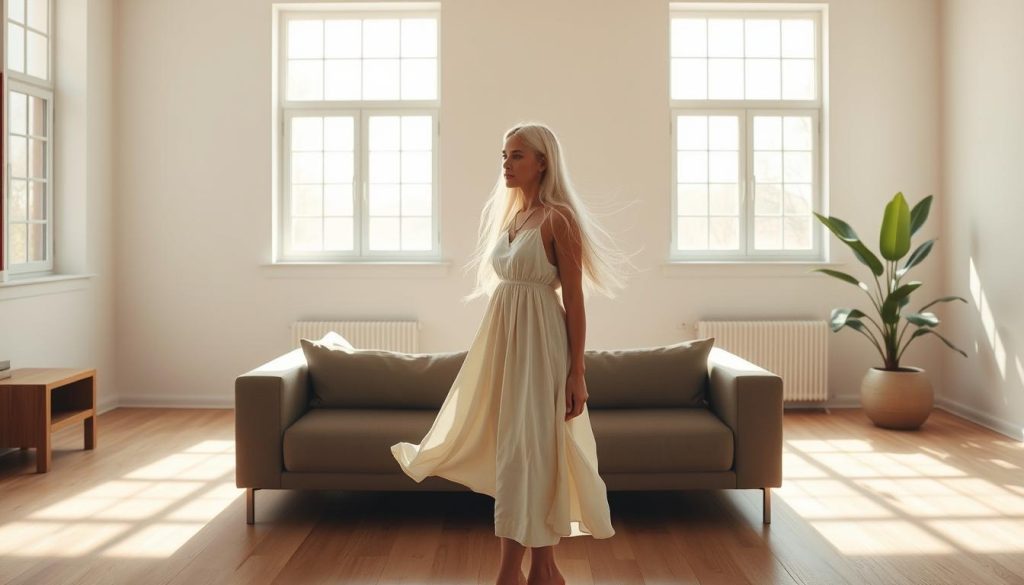
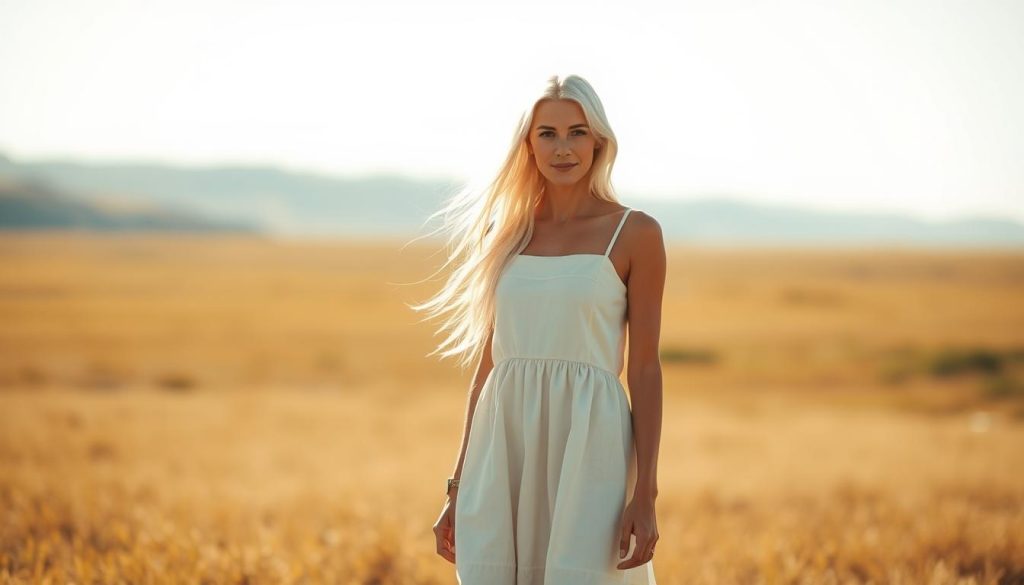
Can removing most of the clutter make your photos hit harder? I ask because a single clear idea can change the way you shoot! You’ll learn a practical, repeatable way to make your subject shine.
Start with one idea and cut the rest. Use negative space to create calm and strong focus. Simple lines, clear scale, and crisp edges guide the eye without fuss.
Set your camera to RAW, pick ISO 100–200, accurate white balance, and about f/8 for predictable sharpness. A tripod and ND filters help tame motion and keep images intentional.
Edit gently: gentle curves and selective contrast keep your images timeless. Expect steps you can try today that boost confidence and impact fast!
Key Takeaways
- Pick one idea and remove distractions for a stronger subject.
- Use negative space and simple lines to guide the viewer.
- Shoot RAW, ISO 100–200 and around f/8 for reliable results.
- Use a tripod and ND filters to control motion and clarity.
- Edit with gentle curves and selective contrast—avoid heavy effects.
Why Minimalism in Photography Works Today
Simplicity wins: one focused subject makes your image read instantly on tiny screens! You’ll learn a fast, practical approach that fits how people browse now.
Start with purpose. Decide the single idea and remove anything that doesn’t earn its place. That clarity gives the viewer immediate direction.
Give your subject breathing room. Negative space calms the scene and boosts impact. Open areas act like visual pauses and create balance.
Lead with lines and geometry. Simple shapes guide the eye and make composition obvious. Keep contrast controlled so subjects separate crisply from the space around them.
- Pick one clear subject and remove distractions.
- Use negative space to create breathing room and immediate readability.
- Keep your camera setup simple so you can focus on story and mood.
This approach matches busy viewers: calm, readable images stop thumbs and turn interest into feeling. Try it today with the gear you already own!
Defining the Style: What Minimalist Photography Is and Isn’t
You make stronger photos by choosing only the shapes and tones that serve your idea. Start with a single clear aim and strip the frame to essentials: subject, light, and composition!
Core characteristics include limited colors, clean lines, simple shapes, and subtle textures. These elements minimalist photography relies on help the main subject pop without noise.
Role of negative space
Negative space isolates the subject, creates balance, and defines scale. Use lots of empty area—70–90% when it serves the story—to give a small subject quiet power and to draw attention fast.
Simplicity as strategy
Decide what your image is about, then remove anything that doesn’t help. Keep edges clean within frame and repeat simple lines or shapes to add rhythm without clutter.
- Define your photography style by removing distractions.
- Limit colors; let geometry and lines do the work.
- Treat space as a design element that creates sense and scale.
Compose with Restraint: Lines, Patterns, Scale, and Structure
Use lines and scale to lead the eye and give your subject real presence. Keep decisions simple and deliberate so every element within the frame earns its place. That restraint makes your images read fast and feel confident!
Leading lines and geometry that guide the viewer’s eye
Lead with clean lines: arcs, rails, and planes steer the viewer straight to the subject. Use repeating shapes to build rhythm without clutter. When lines converge, place your subject where they point for instant focus.
Thirds versus centered symmetry for calm structure
Try thirds for motion and flow. Use centered symmetry for stillness and calm. Choose one approach—don’t mix them—and your composition will feel intentional.
Using scale to create emphasis and mood
Small subject plus big space creates mystery and emphasis. Large subject with tight framing feels bold and direct. Use scale as a storytelling tool to set mood fast.
Breathing room at the edges: cleaner frames, stronger stories
Keep clear borders so nothing fights your subject. Check the image at thumbnail size to test balance and legibility. If the flow feels off, flip the image horizontally—simple fixes work wonders!
Restraint wins! Remove one more element than you think you need and watch the impact grow.
- Build calm composition with simple geometry that steers the eye.
- Choose thirds for flow or centered symmetry for stillness—decide, don’t guess.
- Play with scale: small subject + big space = mood and emphasis.
- Keep breathing room at the edges and repeat shapes to soothe the eye.
Color, Tone, and Black & White: Controlling Contrast for Impact
A tight palette and gentle contrast let shape and edge tell the story first. Choose a limited palette or go monochrome to emphasize form and make your subject read clearly.
Use color with purpose! Add one bold accent only when it will draw attention to the subject, not compete with space or lines. Keep hues simple: complementary pairs or a single pop work best.
Monochrome and limited palettes
Black white choices remove distractions and reveal structure. In black white photography, prioritize tonal clarity so edges stay crisp and the viewer finds the subject fast.
Tonal separation and contrast control
Shape tones with gentle curves and selective contrast. Protect midtones and highlights—watch the histogram—so contrast feels intentional, not harsh.

| Goal | Technique | Why it works | Quick tip |
|---|---|---|---|
| Emphasize form | Monochrome or limited palette | Removes color noise and highlights shape | Use +20 to +30 midtone clarity |
| Draw attention | Single bold accent | Guides the viewer to the subject | Keep background neutral |
| Create depth | Gentle curves, crisp edges | Tonal separation reads as depth | Check edges at thumbnail size |
- Go limited palette or monochrome to spotlight form.
- Use one accent sparingly to draw attention to the subject.
- Shape tones with gentle curves for elegant contrast and clean edges.
Decide first: mood or clarity? Then tune contrast to match your approach and watch your images create a stunning, balanced aesthetic!
Gear That Gets Out of the Way: A Minimalist Kit and Camera Settings
Choose one dependable camera and a single prime lens so you shoot faster and think clearer. You’ll make bolder choices and build a consistent look that tells your story faster!
One camera, one lens: pick a reliable body and a favorite prime—35mm is versatile. Examples that work well are the Leica Q2 Monochrom or a Fujifilm X-Pro3 with a 35mm prime. This combo helps photographers focus on tone and composition, not kit juggling.
Tripod, ND filters, and flash
Bring a sturdy tripod to unlock slow shutters and precise framing. Add ND filters to smooth water and sky. Use a small flash indoors to carve crisp shadows and shape your subject.
Baseline setup
Shoot RAW, set ISO 100–200, use accurate white balance, and aim for about f/8 for clean detail. On a tripod, slow your shutter to let time simplify the scene.
- Travel light and shoot more—your kit should disappear.
- Try a monochrome preview to compose by tone, not color.
| Tool | Main Use | Quick Tip |
|---|---|---|
| One camera + prime lens | Consistency and speed | Pick a focal length you use daily |
| Tripod | Sharpness and long exposures | Use for slow shutter and careful composition |
| ND filter | Smooth motion and simplify | Start with 3–6 stops for water |
| Small flash | Shape indoor light and shadows | Bounce or diffuse for soft edges |
Minimalism in Photography: Field Techniques to Isolate Your Subject
Shift your perspective—low, high, or tight—and watch distractions fall away! Start by deciding what the main subject is and remove everything that doesn’t help the story. Keep edges clean and let open space do the work.
Isolation tactics
Tighten the frame. Move closer or crop so the subject dominates. Use shallow depth to blur noise and lock the viewer on the focal point.
Change angle to remove clutter. Get low, shoot up, or step to the side. Tiny moves change scale and the way the image reads!
Locations and light
Hunt simple canvases: overcast skies, fog, calm water, snow, and plain walls. These backgrounds give you big negative space and calm tones.
Use long exposures with ND filters to erase motion and tidy busy scenes. Pick the right lens and let your feet fine-tune framing.
Quick checklist:
- Isolate your subject with clean backgrounds and clean edges.
- Use bold negative space to create scale and serenity.
- Guide the eye with leading lines and tight framing.
- Favor shallow depth and simple locations to draw attention fast.
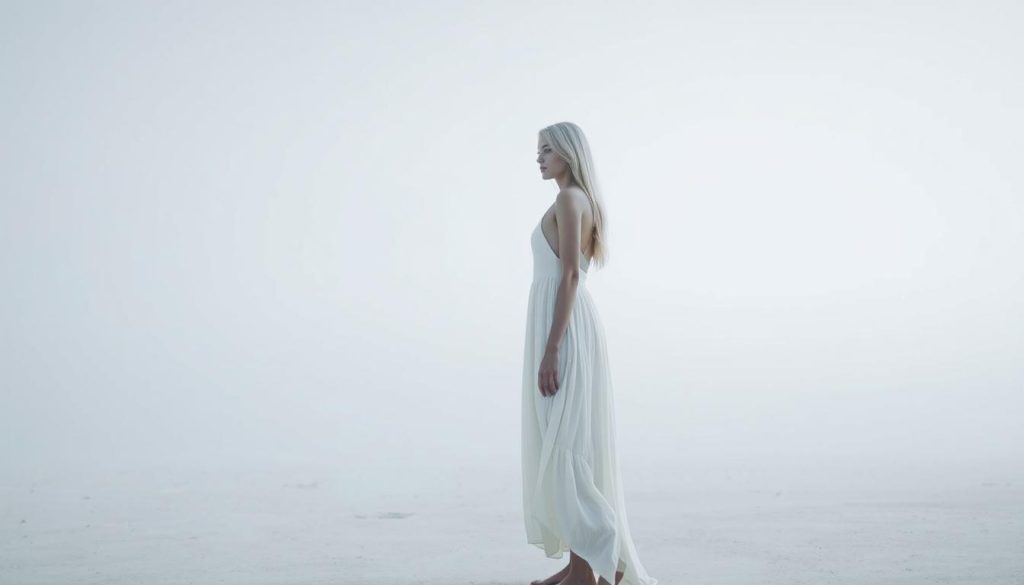
Try these techniques on your next shoot and watch your images feel calmer and clearer! You’ll see how photographers use space and lens choice to make a single element sing.
Editing for Clarity: A Clean, Minimal Post-Processing Workflow
Start each edit with a quick cleanup pass so the idea in the frame reads instantly! Be decisive and kind to the image—remove only what truly distracts. This keeps the scene honest and the subject strong.
Declutter gently: use clone and patch tools sparingly. Fix tiny specks, stray wires, or small blemishes. If you find yourself rebuilding big areas, plan to reshoot next time.
Black & white workflow:
Convert thoughtfully. Use Curves or Levels to build tonal separation first. Add subtle micro-contrast to bring texture without harsh edges.
Protect midtones so faces and forms stay natural. Too much local contrast dates an image fast—keep effects gentle and timeless.
- Start with a cleanup pass—small fixes only.
- Use clone/patch sparingly; reshoot if you need heavy fixes.
- Build contrast with Curves/Levels, then add micro-contrast lightly.
- Check thumbnails to confirm balance, edges, and subject clarity.
- Flip horizontally if the flow feels off; your eye notices direction fast.
- Keep negative space smooth—uneven tones steal attention from the subject.
- Export with crisp edges and controlled contrast; avoid heavy effects.
Your edit should disappear: let subject and space tell the story. Do this and your images will hold impact and balance every time!
Conclusion
Make every element earn its place so your photos hit harder and cleaner!
You know the way now: pick one idea and clear the clutter.
Let negative space do the heavy lifting. Use lines and scale to guide the viewer and boost impact.
Keep your kit light—one camera and one lens—to shoot faster and think bolder. A tripod and ND filter help you simplify motion and mood.
Choose a limited palette or monochrome to create stunning form and tidy decisions. Compose with intent—thirds or symmetry—and keep frame edges clean.
Edit lightly for clarity so the image feels natural, not overworked. This photography style is a mindset—simplicity first, story always!
Elevate your spiritual journey with Conscious Items’ genuine gemstones, trusted by thousands and backed by a 30-day money-back guarantee. Don’t let these powerful crystals pass you by—stocks are limited, and the perfect one for you is waiting! Visit Conscious Items now to find your crystal match before it’s too late.
If you liked reading this article you will love this article Minimalism Checklist: The ONLY Checklist you need
Morganite Crystal Healing Properties
Habits of Healthy Relationships: 10 Keys to Lasting Love: The Ultimate Love Stone for Heart Healing