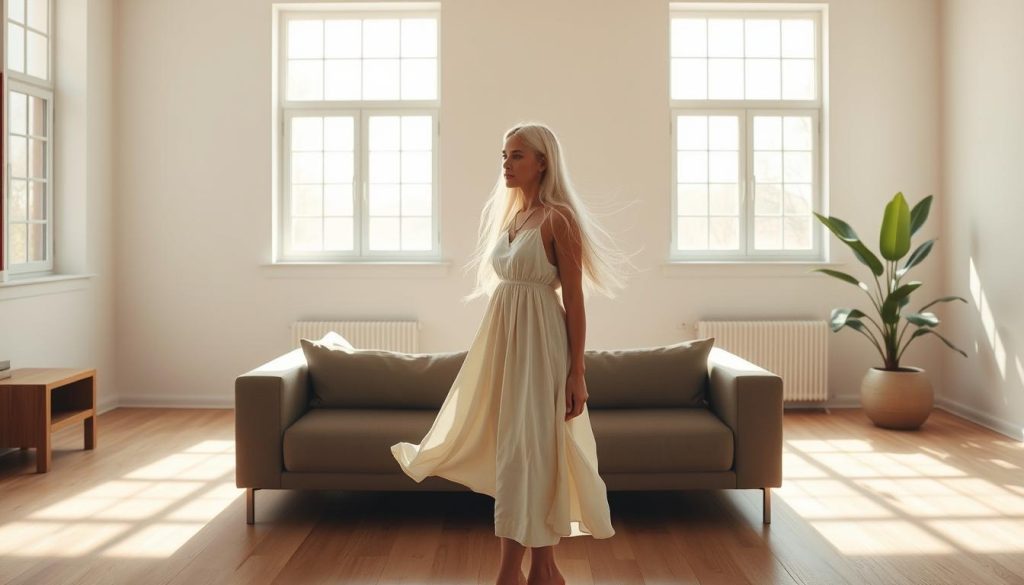
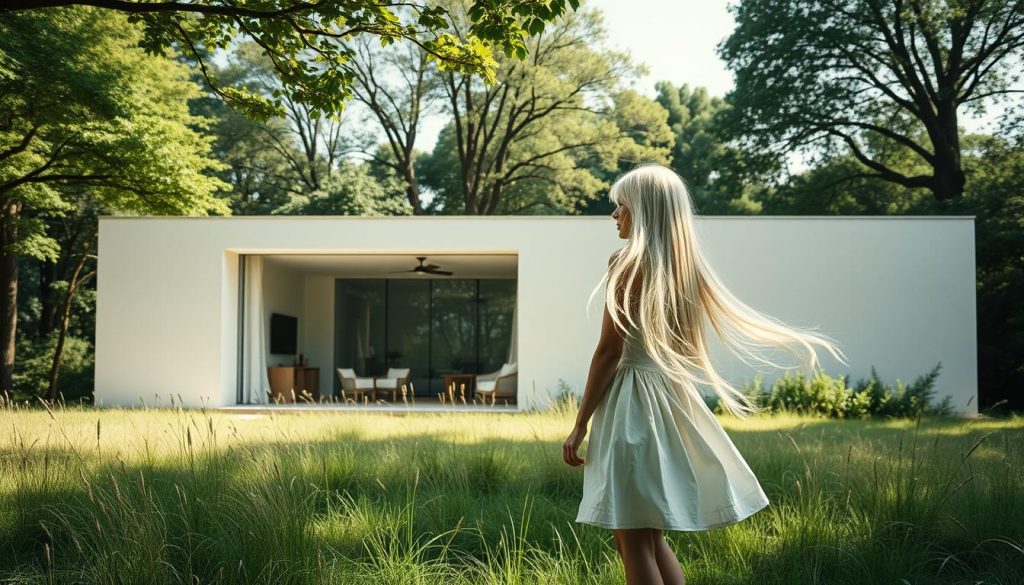
Want a calmer home and a clearer mind—right now? I promise you’ll feel inspired by how simple choices change daily life! Let’s explore clean surfaces, edited furniture, and palettes that let light do the work.
Real designers show the way: Neal Beckstedt’s Fire Island retreat for Derek Lam, Niels Schoenfelder’s Hudson Valley farmhouse, and Deborah Berke’s New Canaan pavilion reveal how material and view create warmth and character.
I’ll guide you through practical steps to shape your dream home with intention. Keep counters to essentials, clear floors, and tuck things out of sight. These moves make your interior breathe and free up mental space!
Ready to see examples and quick wins? Follow along and you’ll learn simple ways to add more light, comfort, and purpose to your rooms today!
Key Takeaways
- Streamline counters and keep only essentials to create calm.
- Use warm materials and simple shapes for comfort and character.
- Clear floors and edited furniture open visual and mental space.
- Design choices can support mindfulness, sustainability, and ease.
- Small, immediate wins build momentum toward your dream home.
Why Minimalism Houses Resonate Right Now
Right now, people are turning their home into a calm shelter from constant stimuli! In 2024, that craving grew as screens, alerts, and information multiplied.
“Creates a tranquil environment… an immediate respite from the busy world.”
Designers explain why this interior approach works. Lexi Goddard says less isn’t empty; it’s composed, with places for the eye to rest. Artem Kropovinsky adds that fewer items let each piece have more impact.
What this gives you: neutral colors, clean lines, and natural materials that help your mind recharge. It’s a way to free up space for family, focus, and better living.
- You’ll feel calmer fast—less visual noise means clearer energy for the day.
- Sustainability and mindful buying come with the shift—buy less, choose better.
- Change room by room so progress feels doable and joyful!
| Feature | Effect on Mind | Designer Note |
|---|---|---|
| Neutral colors | Soothes attention, lowers stress | Creates a steady backdrop for living |
| Fewer items | Gives each object more meaning | Highlights quality over quantity |
| Natural materials | Adds warmth and texture | Balances clean lines with comfort |
The Benefits of a Minimalist Home You’ll Feel Every Day
Feel the difference the moment you step inside: calm arrives when surfaces are clear and choices are intentional. You’ll notice your mind settle fast, and life at home gets easier and brighter!
Less visual stress, more calm. Clear the clutter and your brain gets a break. A tidy room with limited décor lets your eye rest and your mood lift.
Easier cleaning and maintenance. Fewer objects mean less to dust and sweep. That saves time and gives you back weekends you actually enjoy.
Enhanced focus and well-being. With simple furniture and clear surfaces, distractions fade. You work better, read more, and feel more present.
The illusion of more space and light. Subdued colors, uncluttered sightlines, and open windows let natural light travel farther. Every room feels bigger and fresher.
More sustainable, intentional living. Choosing durable materials and buying less but better reduces waste and supports a calmer interior life.
- Quick wins: store essentials out of sight and edit often to keep calm.
- Daily payoff: brighter rooms, clearer focus, and a lighter routine.
Core Principles: Clean Lines, Natural Materials, and Fewer but Better Pieces
Start by choosing a calm palette that lets the room breathe and your mind relax! Soft whites, warm beiges, and muted grays set a steady stage for living well. That clarity makes every choice feel intentional.
Neutral color palettes that soothe, not distract
Keep colors subdued so visual noise fades. Use one or two accent tones to add life without clutter.
Less is more: editing to essentials without losing soul
Edit items until only what matters remains. Bring back a single favorite piece to keep the space warm and personal.
Natural materials for warmth, texture, and timelessness
Choose oak, stone, linen, or wool. Let materials do the heavy lifting—texture gives depth without extra décor.
Clean lines and simple shapes that guide the eye
Simple silhouettes and clean lines make rooms feel organized and confident. Clear surfaces help the eye rest.
Quality over quantity in furniture and art
Buy fewer, better pieces furniture and one thoughtful art object to define a room. Smart storage keeps function close to where you use it.
- Start small: calm colors and edited pieces create immediate calm.
- Let materials speak: texture, not excess, gives character.
- Keep surfaces clear: one accent can do the talking!
Step-by-Step: How to Create a Minimalist Home Room by Room
Pick one room and win a quick victory! Start small and you’ll build momentum fast. A focused change helps you see results and feel proud right away.
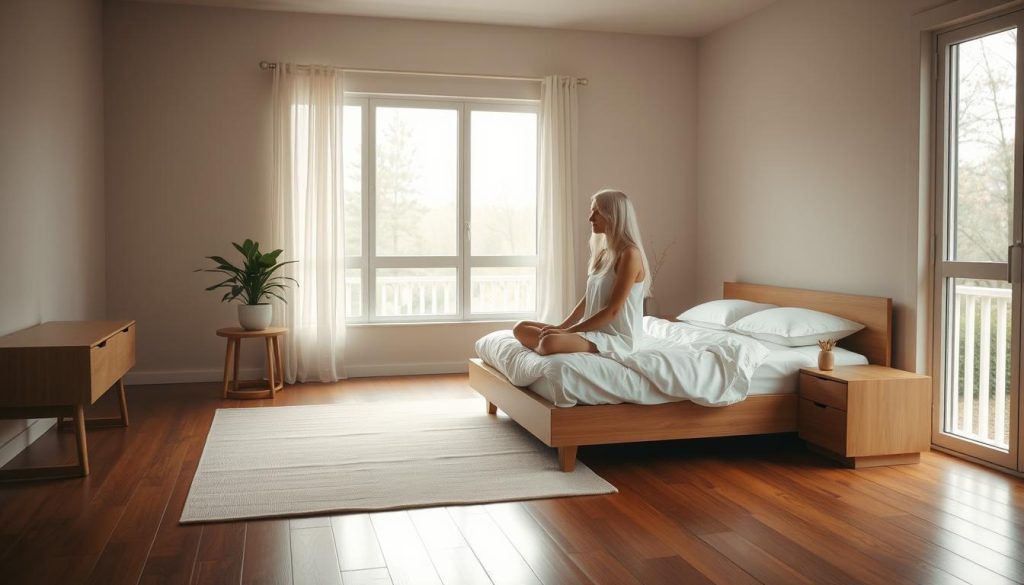
Start with furniture: scale back and simplify
Remove extras and keep only the best pieces. For example, a living room can keep a couch, one chair, a coffee table, a small media stand, and two lamps.
This trims weight from the area and makes movement easy. Size items to match the space.
Clear floors, surfaces, and walls
Clear the floor so the space expands—no stacks or stray baskets. Tidy surfaces and leave one simple accent.
Take down wall clutter and keep one or two artworks to let the interior breathe.
Store essentials out of sight with logical placement
Keep daily essentials in drawers or cabinets near where you use them. Label storage if that saves you time.
Edit, eliminate, and revisit with a fresh eye
Box everything else if you hesitate. Revisit after a couple of days—fresh eyes reveal what you can remove. Keep a donation bin handy and celebrate the breathing room you create!
Materials, Colors, Light: Designing Spaces That Breathe
Design decisions about color, texture, and light shape how a space feels from the moment you walk in. Use soft, grounded colors so the interior feels steady and calm. Add one bold accent piece to bring energy without clutter!
Plain patterns and simple window treatments keep the visual field quiet. Choose sheer curtains or wooden blinds to maintain clean sightlines and let light pour in. This helps your eye travel and makes the entire home feel larger.
Subdued hues with purposeful accent pieces
Pick neutral palettes for flexibility. A single statement object guides attention and protects spaciousness. Balance tones across adjacent areas so the interior reads as one calm whole.
Plain patterns and clean window treatments
Keep patterns simple. Let window zones stay clear of heavy drapery. Arrange furniture to avoid blocking windows or views—this maximizes natural light and sightlines.
Harnessing natural light with clear sightlines
Bring in natural materials like wood, stone, and linen for tactile warmth. These materials add texture without visual noise. Keep surfaces open so light bounces and the space breathes!
“Use clean lines and one strong piece to focus the room.”
- Choose soft, grounded colors and one accent for pop.
- Keep patterns plain and window treatments minimal.
- Use natural materials to add warmth without clutter.
Designer-Approved Tips to Keep Clutter Down and Character Up
Try small layout shifts and you’ll notice how movement and calm return to a room! Test a few arrangements until your body and eye agree—the flow will feel effortless. An interior designer will often nudge a couch a few inches and suddenly the sightlines improve.

Experiment with layouts to create calm flow
Move big furniture first, then fine-tune smaller pieces. Keep pathways wide so the space feels larger and movement feels smooth.
Use multifunctional pieces like a storage coffee table
Pick a smart coffee table or ottoman with hidden storage. It hides things and reduces visible clutter fast. Good designer picks double as style and storage.
Embrace negative space and clear surfaces
Protect empty zones—clear counters and tabletops. Let surfaces rest so the room breathes and your mind brightens.
Let personal art and one striking piece define the room
Pick a single bold art object to anchor the vibe. Pair that with baskets, canvas boxes, or built-ins to corral small items. Edit weekly for tiny wins—five minutes beats a big purge!
“Give every item a home—future you will thank you!”
- Ask an interior designer to sanity-check your plan; small tweaks matter.
- Give each thing a place to prevent piles and keep your home calm.
Minimalism Houses Around the World: Real Homes to Inspire Your Dream Home
Across climates and styles, architects and designers show how restraint becomes warmth. These examples prove a house can be simple and full of feeling. Read quick snapshots and borrow one idea for your own space!
Fire Island cedar sake-box retreat
Neal Beckstedt reworked a Horace Gifford beach house for Derek Lam. Warm cedar and sculptural pieces wrap a 2,000‑square‑foot area. It’s a cozy example of wood-led design!
Hudson Valley farmhouse
Architect Niels Schoenfelder let the land guide the plan. The farmhouse reads as grand but quietly restrained. Natural materials and scale respond to barns and river views.
New Canaan modern pavilion
Deborah Berke’s house unfolds from a solid gray brick entry to panoramic window walls. The result is a serene interior with a limited palette and strong sightlines.
Lake Tahoe low‑tech retreat
Faulkner Architects with Nicole Hollis created a low‑tech escape in Truckee. Stone floors, wood ceilings, and minimal lighting blur indoor and outdoor living.
- Marfa: Lake|Flato’s rammed‑earth compound—eight elemental rooms around a courtyard—feels timeless and grounded.
- Los Angeles: John Lautner’s West Hollywood gem rejects the box with cantilevers and dramatic form.
- Casablanca: Crina Arghirescu Rogard opens plans with tall windows and a sculptural stained‑oak stair to layer light and privacy.
- West Chelsea: Sebastian Zuchowicki stacks textures across a 3,000‑sq‑ft condo—no white walls, lots of tactility in the living room.
- Boston: Hacin + Associates used a restrained palette so bold contemporary art defines the dining room and living room.
Takeaway: Each example gives one simple lesson you can use at home—borrow a material, a layout trick, or a singular piece to lift your own interior!
Conclusion
Small, repeatable steps help your rooms stay bright, useful, and easy to love. Start with one room. Clear the surfaces and keep only the essentials. You’ll feel the change fast!
Stick to a few strong pieces of furniture and one striking art piece to guide the eye. A living room can work well with a sofa, a chair, a coffee table, and minimal media storage.
Protect flow by aligning furniture, keeping walls calm, and letting the floor breathe. When stuff piles up, reset quickly—return things to their homes and let go of everything else without guilt.
Need help? Ask an interior designer for a quick consult. Tiny tweaks save time and keep your minimalist home moving toward your dream home—one simple step at a time!
Discover the transformative power of authentic healing crystals from Conscious Items, designed to align your spirit and connect you with nature’s energy. With over 500,000 satisfied customers and a 4.9/5 Trust pilot rating, don’t miss out on finding your perfect crystal—shop now before these unique treasures are gone! Take their exclusive crystal quiz today at Conscious Items to uncover your spiritual muse.
If you liked reading this article you will love this article Crystal Healing Properties: Unlock White Crystal Power!
Elevate your spiritual journey with Conscious Items’ genuine gemstones, trusted by thousands and backed by a 30-day money-back guarantee. Don’t let these powerful crystals pass you by—stocks are limited, and the perfect one for you is waiting! Visit Conscious Items now to find your crystal match before it’s too late.
If you liked reading this article you will love this article Minimalism Checklist: The ONLY Checklist you need
Morganite Crystal Healing Properties
Habits of Healthy Relationships: 10 Keys to Lasting Love: The Ultimate Love Stone for Heart Healing