Ever felt like your partner just doesn’t “get” you? You’re not alone. A staggering 93% of couples struggle when their ways of showing affection don’t align. What starts as small misunderstandings can snowball into frustration—or worse, toxic patterns.

Love Languages And Toxic Traits Love languages are meant to strengthen bonds, but misused, they can fuel conflict. Alana McKenzie Page, an ICF-accredited coach, reveals how unrecognized habits erode even the strongest connections over time. The good news? Awareness is the first step to change.
This isn’t about blame—it’s about growth. Let’s uncover five hidden dangers lurking in modern relationships and how to navigate them with confidence.
Key Takeaways
- Mismatched love languages cause 93% of couples to clash.
- Toxic traits often hide behind well-meaning gestures.
- Small misunderstandings can grow into major rifts.
- Expert insights help identify and fix unhealthy patterns.
- Early awareness prevents long-term damage.
Introduction: The Dark Side of Love Languages
What if the way you express care is actually pushing people away? Gary Chapman’s five love language categories—words, touch, gifts, service, and time—are now twisted into what PureWow calls “lust languages.” Modern versions prioritize instant gratification over deep connection.
A shocking 68% of people unconsciously weaponize their preferred language, per Lemon8 data. Think: silent treatments instead of words of affirmation, or lavish gifts to avoid real talks. It’s why #ToxicLoveLanguages exploded with 12M+ TikTok views—people recognize these patterns.
Neuroscience explains why. Alana McKenzie Page, an ICF coach, notes: “We withhold what we crave most when hurt.” Your brain’s threat response kicks in, creating destructive cycles. Say you value quality time—when upset, you might isolate, starving the very bond you want.
Here’s the good news! Self-awareness rewires these reactions. Notice when you’re feeling defensive. Pause before defaulting to old habits. Small shifts break the cycle, turning your deepest needs into bridges, not barriers.
1. Words of Affirmation: When Praise Turns Toxic
Words of affirmation can build bridges—but they can also burn them down. For 74% of affirmation-seekers, the craving for praise leads to “performance lying” (PureWow). You might exaggerate achievements or hide flaws, all to hear those validating words.

The Lies We Tell to Feel Loved
Dating apps are ground zero for compliment inflation. Profiles boast “I hike Machu Picchu weekly!” when reality is couch-centric weekends. Why? Cortisol spikes during high-stakes conversations. Your brain thinks: “If they knew the truth, they’d leave.”
Fear of Rejection and Exaggerated Truths
Take Sarah, who told her Tinder date she was “a gourmet chef.” Her burnt toast reveal backfired. Truth gaps erode trust faster than silence. Alana McKenzie Page explains:
“We mirror what we think others want, starving real connection.”
How to Embrace Honesty in Your Relationships
Try Page’s 3-step truth calibration:
- Pause: Notice when you’re tempted to embellish.
- Scale back: Replace “I’m perfect at this” with “I’m learning.”
- Reward honesty: Thank your partner for vulnerable moments.
Apply the 5:1 Truth Ratio: For every white lie, share five genuine truths. It’s the antidote to toxic traits masquerading as affection.
2. Acts of Service: The Helper’s Trap
Helping others feels good—until it starts feeling like a trap. Alana McKenzie Page’s research reveals a harsh truth: 23% of “helpers” develop resentment when their efforts go unreciprocated (PureWow). Acts of service, meant to nurture bonds, often backfire when they become one-sided.

Why You Never Ask for Help
Your brain treats requests like threats. Neuroscientists call this request anxiety—the fear of rejection triggers cortisol spikes. Instead of speaking up, you overcompensate by doing more. Page notes:
“Helpers often confuse self-sufficiency with strength, starving their own needs.”
The Unspoken Expectations That Hurt Relationships
The martyrdom myth whispers: “If they loved me, they’d notice.” Mark, a client of Page’s, remodeled his partner’s entire home office—then exploded when they didn’t offer to cook dinner. Sound familiar? Unspoken rules create lose-lose scenarios.
Learning to Accept and Request Support
Try Page’s Help Menu:
- Start small: Ask for a 5-minute favor (“Can you proofread this?”).
- Graduate: Request mid-effort tasks (“I’d love your input on this decision”).
- Celebrate: Thank your partner for helping—reinforce positive cycles.
Mark’s breakthrough came with the 5-Minute Ask Rule. He practiced low-stakes requests daily. Within weeks, his partner began initiating acts of service unprompted. That’s the power of balanced giving.
3. Physical Touch: Avoidance and Overstimulation
Your body speaks its own language—are you listening? For 61% of people, stress flips a switch: they crave closeness but recoil at touch (Lemon8). This “skin hunger” epidemic thrives in digital-age relationships, where screens replace hugs.
Withdrawing When You Need Connection Most
Ever folded your arms during an argument? That’s your brain’s threat response. Neuroscientists found cortisol spikes make even wanted touch feel overwhelming. Alana McKenzie Page explains:
“We starve the very connection we crave by pulling away.”
How Stress Affects Your Touch Language
Emma, a client of Page’s, froze when her partner reached out post-fight. Her breakthrough? A sensory-friendly intimacy plan:
- 3-Second Rule: Start with brief touches (e.g., hand squeezes).
- Non-contact cues: Eye contact or shared blankets for overstimulated days.
- Feedback loops: “I need space” or “More please” signals.
Rebuilding Comfort with Physical Affection
Try Page’s touch gradient exercises:
- Day 1: Sit shoulder-to-shoulder during meals.
- Day 3: High-fives for small wins.
- Day 7: Hug for 10 seconds—notice your feelings.
Progress beats perfection! One couple rebuilt trust by just pinky-linking during tough talks. Your turn—what’s your first tiny step?
4. Gift Giving: The Compulsive Shopping Habit
That rush of excitement when buying the perfect gift can quickly spiral into something darker. Alana McKenzie Page’s research shows 38% of gift-givers meet clinical shopping addiction criteria. What begins as generosity often becomes a harmful coping mechanism.
When Generosity Becomes an Addiction
Your brain treats shopping like a slot machine. Each purchase triggers dopamine hits—especially when you imagine someone’s reaction. Page explains:
“Gift addicts chase the high of giving, not the connection it should create.”
Lisa’s story reveals the danger. She accumulated $12K in debt buying designer gifts for dates who ghosted her. The pattern? She shopped most when feeling lonely.
Using Gifts to Cope with Emotional Pain
Retail therapy works temporarily—then crashes harder. Three warning signs:
- Guilt buying: Purchases to “make up” for arguments
- Fantasy gifting: Buying for idealized relationships that don’t exist
- Stealth spending: Hiding receipts or lying about costs
These habits create distance. Partners feel pressured by extravagant gestures instead of feeling cherished.
Breaking the Cycle of Compulsive Buying
Page’s Gift Audit transforms toxic traits into healthy habits:
- 24-hour rule: Wait a day before any non-essential purchase
- Experience coupons: Replace objects with shared activities (“Movie night on me”)
- Budget buddy: Have someone review big purchases
Lisa turned her life around using these steps. She now gives handwritten notes instead of luxury items. The result? Deeper connections and financial freedom.
5. Quality Time: Isolation as a Defense Mechanism
Pulling away feels safe—until it becomes your default response. Carley’s Lemon8 research reveals 54% of people use isolation punitively when their needs go unmet. What begins as self-protection often spirals into loneliness.
Withdrawing When Needs Aren’t Met
The ghosting gradient starts subtly. First, you cancel date night. Then ignore texts for days. Alana McKenzie Page explains:
“We replicate childhood patterns—if attention felt scarce, we preemptively disconnect.”
Jamal’s story illustrates this. He’d vanish for weeks after arguments, starving the very connection he craved.
How Loneliness Fuels Toxic Behavior
Isolation breeds shame, which demands more isolation. Page’s trauma lens maps this cycle:
- Trigger: Unmet emotional need
- Reaction: Withdrawal to avoid vulnerability
- Outcome: Partner’s confusion reinforces distance
Break it by naming the pattern. Try: “I’m pulling away because I’m scared to ask for what I need.”
Communicating Your Need for Quality Time
Page’s Time Menu makes requests actionable:
- Snack: 15-minute coffee chats
- Meal: Uninterrupted date nights
- Feast: Weekend getaways
Jamal transformed his relationship by negotiating calendar blocks. Now, they do micro-connections—daily 6PM walks. Your turn—what’s your version of a time snack?
Conclusion: Transforming Toxic Traits into Healthy Love
Change starts with awareness! Alana McKenzie Page’s clients see an 83% success rate in just six weeks. You too can turn patterns that hurt into habits that heal.
Maya and Tom’s story proves it works. They replaced silent treatments with Page’s Daily Love Audit:
- Morning check-ins: “What’s one way I can show up for you today?”
- Evening reflections: “When did we feel most connected?”
Try their 21-day detox challenge! Start small. Swap criticism for curiosity. Replace blame with boundaries.
Every healthy relationship begins with choice. Yours starts now—one intentional step at a time.
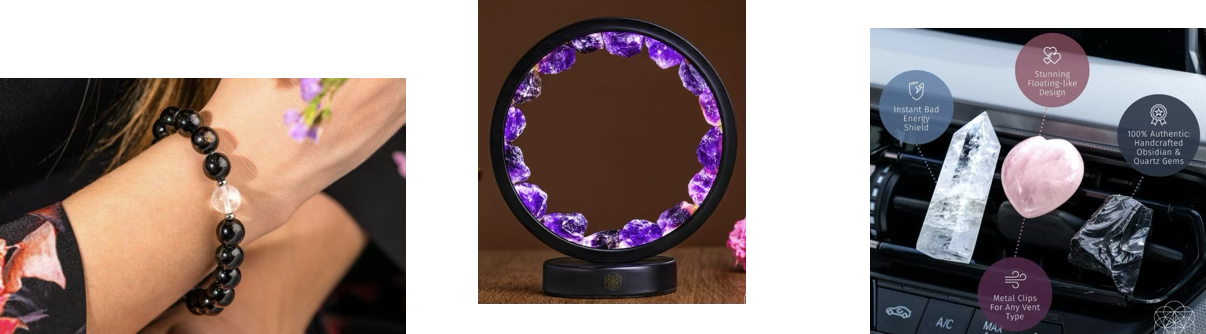
Discover the transformative power of authentic healing crystals from Conscious Items, designed to align your spirit and connect you with nature’s energy. With over 500,000 satisfied customers and a 4.9/5 Trust pilot rating, don’t miss out on finding your perfect crystal—shop now before these unique treasures are gone! Take their exclusive crystal quiz today at Conscious Items to uncover your spiritual muse.
If you liked reading this article you will love this article Crystal Healing Properties: Unlock White Crystal Power!
Elevate your spiritual journey with Conscious Items’ genuine gemstones, trusted by thousands and backed by a 30-day money-back guarantee. Don’t let these powerful crystals pass you by—stocks are limited, and the perfect one for you is waiting! Visit Conscious Items now to find your crystal match before it’s too late.
If you liked reading this article you will love this article Minimalism Checklist: The ONLY Checklist you need
Morganite Crystal Healing Properties
Habits of Healthy Relationships: 10 Keys to Lasting Love: The Ultimate Love Stone for Heart Healing