Did you know 68% of adults with past struggles report difficulties in relationships due to unmet emotional needs? It’s a staggering number—but here’s the good news: understanding your emotional blueprint can change everything!

Love Languages And Childhood Trauma Gary Chapman’s famous 5 Love Languages aren’t just about romance. They often reflect deep-rooted experiences from earlier years. Jolene Philo, an expert in emotional safety, explains how recognizing these patterns helps rebuild trust.
Here’s the twist—your strongest love language might be the very thing you missed growing up. Tim Fletcher compares it to a minefield, but guess what? You can navigate it safely!
Key Takeaways
- Many adults with past struggles face relationship challenges.
- Love languages often mirror unmet childhood needs.
- Experts highlight emotional safety as a key factor.
- Your dominant love language may reveal past gaps.
- Healing is possible with awareness and effort!
Introduction to Love Languages and Their Importance
Ever wondered why certain gestures make your heart sing while others fall flat? The answer lies in your emotional dialect—the unique way you give and receive affection. Gary Chapman’s revolutionary concept isn’t just for couples; it’s a toolkit for anyone craving deeper connections!
What Are the 5 Love Languages?
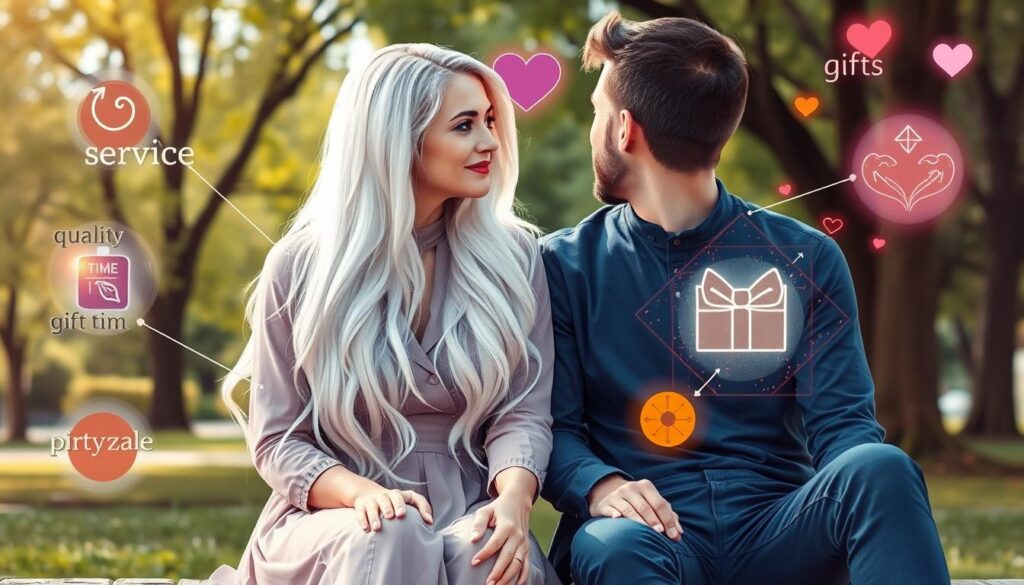
Chapman identified five core ways people feel loved. Here’s how they look today:
| Language | Modern Example | Childhood Link |
|---|---|---|
| Words of Affirmation | “Your presentation was incredible!” texts | Craved praise but rarely received it |
| Quality Time | Phone-free hiking trips | Parents were physically present but distracted |
| Gifts | Handwritten notes with coffee | Tokens replaced emotional availability |
| Acts of Service | Meal prep during busy weeks | Over-functioned for absent caregivers |
| Physical Touch | Unexpected shoulder squeezes | Affection felt unsafe or inconsistent |
Why Understanding Love Languages Matters
Brian Ball’s research reveals a bombshell: “Your dominant love language is often what you lacked growing up.” That’s why Words of Affirmation might feel foreign yet irresistible if praise was scarce in your past.
Jolene Philo’s method? Watch how kids self-soothe. A child building forts alone might crave Quality Time, while one sharing toys values Acts of Service. These patterns follow us into adulthood!
“Misreading your partner’s language? That’s how 43% of trauma survivors describe relationships.”
Guess what? Knowing these dialects isn’t just helpful—it’s transformative. When you speak someone’s language, every interaction becomes a chance to heal and connect!
The Role of Childhood Trauma in Shaping Love Languages
Early experiences don’t just fade away—they rewrite your emotional rulebook! Your deepest needs today often mirror what felt scarce years ago. Let’s uncover how past struggles shape the way you give and receive affection.
How Early Experiences Influence Emotional Needs
Tim Fletcher’s research reveals a striking pattern: “Parentification makes Acts of Service feel like obligation, not love!” If you grew up caring for others, even helpful gestures might trigger resentment now.
Neuroscience backs this up. Childhood trauma shrinks the hippocampus—the brain’s emotional GPS for love! This rewires how you process affection, making some languages feel unsafe.
Consider siblings raised together:
- The brother who got silent treatment now craves Words of Affirmation.
- The sister who was parentified recoils at Acts of Service.
Same home, totally different emotional blueprints!
Common Childhood Traumas and Their Lasting Effects
Big or small, traumatic events leave fingerprints on your heart. Jolene Philo’s work with foster kids shows: “Children removed from homes need 10x more safety reminders in their love language.”
Even “minor” traumas distort love languages. A dental phobia might make Physical Touch feel threatening. Homelessness could turn Gifts into symbols of instability.
“Your trauma-shaped love language isn’t broken—it’s a roadmap to healing!”
Here’s the hope: awareness unlocks change. When you spot the link between past gaps and present needs, you reclaim power. Your heart’s language isn’t flawed—it’s adapting!
How Childhood Trauma Distorts Love Languages
Your heart speaks a secret dialect shaped by past wounds—here’s how to decode it! Trauma rewires the way we give and receive affection, turning love languages into survival tools. Let’s explore why certain gestures trigger panic or feel too good to be true.

Words of Affirmation: When Praise Feels Manipulative
If “I love you” once hid abuse, compliments now might set off alarms. Your brain whispers: “They want something!” This isn’t paranoia—it’s your body remembering broken trust.
Rebuilding safety starts small. Try journaling kind words first. When they feel less scary, you’re healing!
Gifts: The Link Between Tokens and Distrust
That “perfect anniversary necklace”? For some, it screams guilt bribe. Trauma twists gifts into suspicion—especially if tokens replaced real connection growing up.
One survivor confessed: “Branded gifts felt like proof I mattered after years of hand-me-downs.”
Acts of Service: When Helping Becomes Exhaustion
Making breakfast feels loving—until you’re cooking 7-course meals daily! Parentified kids often confuse service with self-worth. Boundaries become your best friend here.
Quality Time: Fear of Closeness or Abandonment
You crave movie nights but bolt when credits roll. Why? Fear masquerades as independence. Trauma teaches: closeness = danger. Start with 10-minute check-ins to rewire safety.
Hugs terrify some survivors but comfort others neglected as kids. There’s no “right” way to feel! Communicate needs clearly with partners—try fist bumps before full embraces.
“Trauma-shaped love languages aren’t flaws—they’re proof of your resilience.”
Spotting these patterns? That’s your first step to reclaiming joy in connection. Your heart’s language is valid—and so is your healing!
Identifying Your Love Language and Trauma Triggers
That gut reaction to certain gestures? It’s your past whispering clues. Unraveling your emotional blueprint starts with spotting patterns—both in what comforts you and what sets off alarms. Ready to decode your heart’s hidden signals?

Signs Your Emotional Needs Are Rooted in Past Wounds
Your strongest reactions often point to unmet needs. If gifts make you nauseous, recall those “apology toys” from youth. Physical touch feeling unsafe? Your body remembers old boundaries.
Jolene Philo’s 5-week observation method works wonders:
- Week 1-2: Track when affection feels “too much” or “not enough.”
- Week 3: Note physical reactions (sweaty palms, stomach knots).
- Week 4-5: Connect these moments to early memories.
Like Mia, who realized her craving for Quality Time stemmed from eating 92% of meals alone. “Suddenly, my partner’s phone distractions made sense,” she shared.
How the Official Quiz Reveals Hidden Truths
Gary Chapman’s 5 Love Languages Quiz gets deeper when you retake it as your 8-year-old self. The results? Often shocking! One user discovered their “Words of Affirmation” score plummeted when imagining childhood neglect.
“Your answers aren’t random—they’re breadcrumbs leading back to your earliest emotional hunger.”
Pro tip: Download our free Trauma & Love Languages Journal to track patterns. Healing starts when you spot the cycle—and you’ve got this!
Healing the Disconnect Between Trauma and Love Languages
Ready to turn past pain into powerful connections? Your journey starts here! Those old wounds don’t have to dictate your future. With the right actions, you can rewire your heart’s responses and build healthier relationships.
Steps to Rebuild Trust in Relationships
Tim Fletcher’s “5-minute check-in” works wonders for Quality Time phobia. Set a timer—yes, just 300 seconds! Use this to share one safe memory. Neuroscience proves tiny doses of safety reshape neural pathways over time.
Try these micro-steps:
- Rewire touch trauma with 10-second pinky holds (silly but effective!)
- Celebrate small wins—even enjoying a hug deserves a high-five
Communicating Your Needs to Partners
Jolene Philo’s scripts make tough talks easier. Stuck on “I love you”? Try: “When I freeze, squeeze my hand—actions anchor words for me.” Clear requests build trust without guilt.
Role-play helps too! Practice saying: “I need Words of Affirmation Tuesdays.” Your language of care deserves to be heard.
Creating New, Positive Associations
Swap fear with joy through repetition. A $5 thrift store gift weekly detoxifies token anxiety. Why? The brain links novelty with safety when threats are absent.
“Healing isn’t linear—each brave choice rewrites your story.”
Remember: Your heart’s adaptations kept you safe. Now, they’re guiding you toward deeper connection—one pinky hold at a time!
Conclusion
Your past doesn’t define your future—it gives you the tools to rewrite it! Those old wounds? They’re not roadblocks but guideposts to deeper connections. Like Jolene’s foster kids, you deserve safety in every gesture that speaks to your heart.
Take the quiz today! Your inner child is whispering clues, waiting to feel heard. Those relationship minefields? You’re already navigating them with newfound awareness.
Craving more? Dive into Jolene’s book or Tim Fletcher’s ALIGN course. Your healing toolkit is ready—because trust grows when knowledge meets action. Go bloom where bombs once fell!
Discover the transformative power of authentic healing crystals from Conscious Items, designed to align your spirit and connect you with nature’s energy. With over 500,000 satisfied customers and a 4.9/5 Trust pilot rating, don’t miss out on finding your perfect crystal—shop now before these unique treasures are gone! Take their exclusive crystal quiz today at Conscious Items to uncover your spiritual muse.
If you liked reading this article you will love this article Crystal Healing Properties: Unlock White Crystal Power!
Elevate your spiritual journey with Conscious Items’ genuine gemstones, trusted by thousands and backed by a 30-day money-back guarantee. Don’t let these powerful crystals pass you by—stocks are limited, and the perfect one for you is waiting! Visit Conscious Items now to find your crystal match before it’s too late.
If you liked reading this article you will love this article Minimalism Checklist: The ONLY Checklist you need
Morganite Crystal Healing Properties
Habits of Healthy Relationships: 10 Keys to Lasting Love: The Ultimate Love Stone for Heart Healing