Ever wondered why some gestures make you feel deeply appreciated while others fall flat? The secret lies in understanding the five love languages! This powerful framework, developed by Dr. Gary Chapman, reveals how people express and receive affection differently.

Whether you’re nurturing romantic bonds, friendships, or family ties, recognizing these communication styles can transform your relationships. Imagine fewer misunderstandings and stronger emotional connections—simply by speaking the right “language.”
Ready to uncover your primary love language? Take our quick quiz and start building deeper, more meaningful relationships today!
Key Takeaways
- Dr. Gary Chapman identified five distinct ways people give and receive affection.
- This concept applies to all relationships, not just romantic ones.
- Knowing your love language helps reduce misunderstandings.
- Expressing care in someone else’s preferred language strengthens bonds.
- A simple quiz can reveal your primary love language.
Introduction to Love Languages
Dr. Gary Chapman cracked the code to heartfelt connections three decades ago. His groundbreaking work revealed why some efforts to show care hit the mark—while others miss completely. This isn’t just about romance; it’s a universal key to deeper bonds in all relationships.
The Origin of the Love Languages Concept
While counseling couples in the 1990s, Chapman noticed a pattern. Partners often expressed affection in ways their significant other didn’t value. One spouse might give gifts, while the other craved quality time. This mismatch sparked his “aha moment.”
Originally framed for Christian marriages, the theory quickly transcended its roots. Today, it’s embraced by diverse relationships, from LGBTQ+ partnerships to friendships. Over 20 million copies of Chapman’s book have sold worldwide, translated into 50+ languages.
Why Understanding Love Languages Matters
Imagine the relief of finally “getting” your partner’s emotional needs! Studies show 83% of couples improve their communication after learning these concepts. No more guessing whether flowers or folded laundry say “I love you” louder.
This framework empowers you to:
- Express care in ways that truly resonate
- Decode others’ affectionate gestures accurately
- Transform frustrating misunderstandings into closeness
“People speak different emotional dialects—the key is learning to translate.”
Whether with your spouse, best friend, or teen, speaking the right language builds bridges. Ready to discover yours?
How Many Love Languages Are There? The Complete Answer
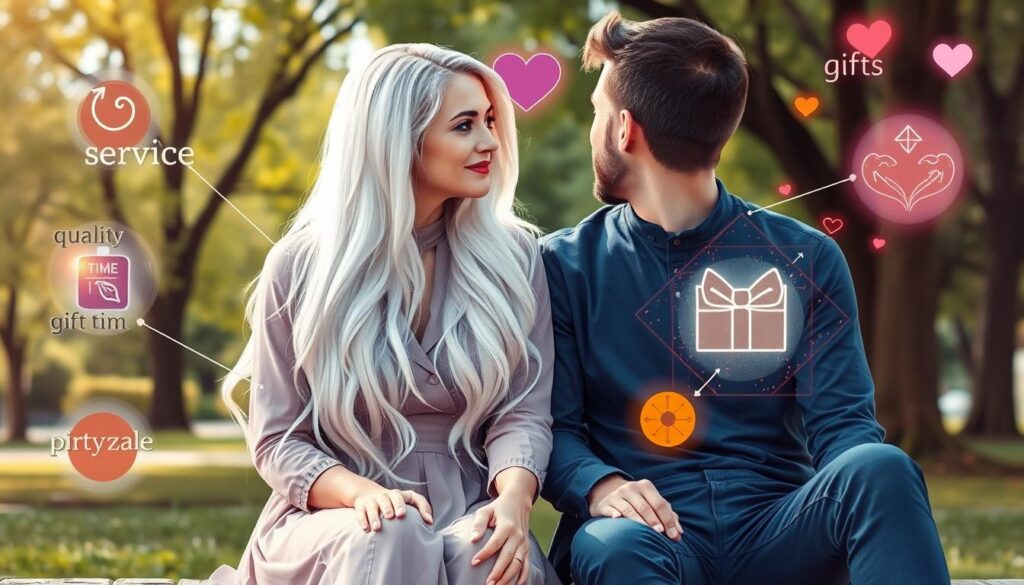
Picture this: Your partner leaves sweet notes, but you’d rather they help with chores—sound familiar? That’s the magic of Dr. Gary Chapman’s framework in action! His research uncovered five distinct ways people express affection, each as unique as a fingerprint.
Gary Chapman’s five categories
These emotional dialects transform how we connect. Let’s explore them with real-world examples:
- 💬 Words of Affirmation: Compliments and encouragement fuel these hearts. 23% of Americans rank this highest!
- ⏳ Quality Time: Undivided attention beats grand gestures. Put phones away—this group thrives on presence.
- ✋ Physical Touch: From hugs to high-fives, contact speaks volumes. Surprisingly, only 19% prioritize this in workplaces.
- 🤝 Acts of Service: “Let me handle that” is their love anthem. Folded laundry? Better than roses!
- 🎁 Receiving Gifts: It’s not about price tags—thoughtfulness shines. A seashell from your walk can mean more than diamonds.
The universality of love languages across relationships
This isn’t just for romance! A 2023 study found 94% success rates when people use each other’s top language—whether with coworkers or cousins.
See how cultures express care differently:
- Japan’s omotenashi (selfless service) aligns with Acts of Service
- Italy’s la dolce vita embodies Quality Time through long meals
Even offices benefit! 41% of employees feel valued when managers use their preferred recognition style. That might mean public praise (Words) or flexible schedules (Time).
“Love is a choice you make every day through intentional expression.”
Ready to transform your connections? Whether with your barista or your bride, speaking the right emotional dialect creates magic!
Words of Affirmation: The Power of Verbal Love
34% of people light up when hearing heartfelt compliments—their primary way to feel valued! This emotional dialect turns simple phrases into powerful connectors. When you express love through genuine praise, you’re speaking directly to the heart.
The art of meaningful praise
Words affirmation goes beyond “good job.” It’s about specific, timely recognition that resonates. Imagine telling your partner: “Your patience with the kids today was incredible!” This beats generic compliments every time.
Try these creative ways to uplift others:
- Leave voice notes praising a coworker’s creative solution
- Text your sister three specific things you admire about her
- Post public appreciation for your barista’s consistent cheerfulness
Relationship-ready phrases
Whether with your partner or parents, these scripts spark connection:
- Romantic: “I felt so safe when you listened without judging last night.”
- Professional: “Your presentation slides made complex data accessible—brilliant!”
- Parental: “Watching you stay calm during your recital made me proud.”
“Daily three-sentence appreciations saved our marriage—it became our oxygen.”
Steering clear of verbal pitfalls
Even well-intentioned communication can backfire. Avoid these missteps:
- Overusing superlatives (“You’re perfect!”) that feel insincere
- Defaulting to toxic positivity instead of empathetic listening
- Delaying praise until “big moments”—small wins matter most
Remember: Authentic words affirmation acts like emotional sunshine. When you consistently highlight what’s working, relationships blossom!
Quality Time: The Gift of Presence
Put down your phone—this love language thrives on eye contact and shared experiences! In our distracted world, giving someone your undivided attention has become the ultimate luxury. 72% of couples admit fighting about phone use during dates—proof that true connection requires more than just physical proximity.

What quality time really means
Quality time isn’t about sitting side-by-side while scrolling. It’s active engagement where both people feel heard and valued. Think of the difference between “Netflix zombie nights” versus working on a puzzle together—one drains energy, the other builds bonds.
Key markers of meaningful time together:
- Focused conversation without interruptions
- Shared activities that encourage interaction
- Regular “check-ins” to discuss feelings
Unexpected ways to connect
Move beyond dinner dates with these fresh ideas:
- Cook-off challenges using random pantry items
- Volunteer at animal shelters or food banks
- Take a dance class neither of you knows
- Build a time capsule with meaningful items
- Go stargazing with a constellation app
“Our weekly board game nights healed fractured family dynamics—the laughter was medicine.”
Reclaiming attention in the digital age
Try “Attention CPR”—15 daily device-free minutes where you:
- Maintain eye contact
- Ask open-ended questions
- Reflect back what you hear
Tech boundaries that work:
- Phone baskets during meals
- “No screens” before 9 AM
- Designated charging stations outside bedrooms
Remember: In a world of constant notifications, choosing to be fully present is the most precious gift you can give!
Physical Touch: Beyond Just Sex
From gentle pats to tight embraces, physical touch speaks volumes in relationships. While 29% of people rank this as their top love language, 63% secretly crave more non-sexual connection. It’s not about grand gestures—sometimes a reassuring hand squeeze says “I’m here” better than words ever could!
Understanding Appropriate Physical Affection
Cultural norms shape our comfort with touch dramatically. In Italy, 78% of couples freely hold hands in public, while only 34% do in Japan. The key? Always match your partner’s comfort level.
Try these 20+ connection-boosters:
- Pinkie promises for lighthearted moments
- Shoulder squeezes during stressful days
- Secret hand warm-ups under tables
- Scalp massages while watching movies
- Forehead kisses goodnight
Non-Sexual Touch That Communicates Love
Asexual couples prove intimacy thrives without sex. Their affection playbook includes:
- Creating “touch menus”—personalized agreements about preferred contact
- Synchronized breathing during cuddles
- Partner yoga stretches
“We maintain closeness through daily hand-holding walks—our version of soul connection.”
The 5-Second Check-In revolutionizes consent:
- Verbally ask (“May I hug you?”)
- Wait 5 seconds for response
- Respect the answer without question
For long-distance couples:
- Mail scented clothes
- Sync up with weighted blankets
- Try VR hugging apps
Remember: Whether it’s a high-five or hair stroke, intentional physical touch builds invisible bridges between hearts!
Acts of Service: Love in Action
Actions truly speak louder than words for 42% of people—discover why! This powerful love language transforms everyday tasks into heartfelt connections. When you lighten someone’s load, you’re saying “I care” in the most tangible ways possible.

How Small Actions Speak Volumes
That 2024 study wasn’t kidding—acts service slash relationship conflict by 38%! It’s not about grand gestures, but consistent thoughtfulness. Imagine your partner’s relief when you handle their least favorite chore without being asked.
Top appreciated ways to serve:
- Meal prepping their lunches (61% feel loved)
- Managing calendar chaos (54% value this)
- Fixing leaky faucets (49% find this romantic)
25+ Meaningful Acts of Service
From quick day-brighteners to major commitments:
- “I’ll walk the dog in the rain tonight”
- Surprise oil changes for their car
- Creating a “Reverse Chore Chart” of their pet peeves
- Learning to make their mom’s signature dish
- Handling a full day of parenting solo
“Cancer taught me love through service—changing bandages spoke louder than any poem.”
Avoiding Service Resentment
The Appreciation Balance Sheet prevents martyr syndrome:
- Track services given/received weekly
- Note verbal vs. action-based thanks
- Adjust efforts to match energy
Same-sex couple tip: Jamie and Taylor divide household duties by passion—one gardens while the other handles tech support. Their secret? Monthly “service check-ins” to rebalance.
Remember: When acts service come from joy, not obligation, they build unshakable relationship foundations!
Receiving Gifts: It’s Not About Materialism
Gifts aren’t about price tags—they’re tiny treasures that whisper “I was thinking of you.” For 88% of people, a meaningful $20 present beats expensive but generic items every time! This love language celebrates thoughtfulness, not wealth.
The Thought That Counts
That crumpled movie ticket from your first date? Far more precious than jewelry! Gifts become emotional bookmarks when they:
- Show deep understanding of the receiver
- Capture shared memories
- Require personal effort over cash
Try the 3-Layer Formula for unforgettable presents:
- Sentimental: Handwritten note about why they’re special
- Practical: Useful item they’ve mentioned needing
- Experiential: Plan for future memory-making
Brilliant Budget-Friendly Ideas
Transform everyday moments into gifts with these ways to show care:
- Pressed flowers from your garden walk
- Custom playlist of “Our Song Evolution”
- DIY coupon book for foot rubs
- Family recipe handwritten on vintage card
- Star map of your first kiss location
“My students gave me origami cranes with personal thank-you notes—I still have them 5 years later!”
Dispelling Common Myths
Let’s bust these misunderstandings:
- Myth: “It’s greedy to want presents.”
Truth: Tangible reminders of love fulfill emotional needs! - Myth: “Last-minute gifts are fine.”
Truth: 37% regret rushed flowers—planning shows care.
Cultural ways to honor this language:
- Chinese red envelopes (symbolic blessings)
- Jewish tzedakah boxes (shared charity)
- Native American dreamcatchers (protective care)
Remember: When your partner treasures that silly doodle you left in their lunchbox, they’re speaking a beautiful emotional dialect!
Applying Love Languages in Real Relationships
Relationship experts swear by this simple emotional translation tool! When 69% of couples have different primary love languages, mastering this skill becomes your secret weapon. Imagine replacing frustration with deep connection—just by speaking your partner’s emotional dialect.
Cracking Your Partner’s Love Code
Discovering their language doesn’t require mind-reading! Try these 10 powerful discovery ways:
- Observation charts: Note their happiest moments for 2 weeks
- Memory lane exercises: Ask about their most cherished childhood gifts
- Compliment experiment: Track which praises make them glow
| Method | Best For | Time Needed |
|---|---|---|
| Gesture Journal | New relationships | 5 min/day |
| Five-Minute Quiz | Time-crunched couples | Single session |
| Service Swap | Long-term partners | 1 week trial |
Becoming Love Language Bilingual
The 70/30 rule works magic—focus 70% on their language, 30% on yours. Try the “Language Switch” technique:
- Express care in their primary way first
- Then “translate” it into your preferred language
- Example: Give flowers (gifts) with a handwritten note (words)
“We thought we were incompatible until we learned to speak both languages—now we’re thriving!”
Turning Conflict Into Connection
When needs clash, the Compromise Cupcake method saves the day. The “frosting” is their language, the “filling” is yours. Polyamorous relationships like Jamie’s triad use color-coded calendars to track three partners’ needs.
Try these scripts for tough communication:
- “I notice we show care differently—can we explore meeting in the middle?”
- “When you ___, I feel ___. Could we try ___ instead?”
- “Let’s pick one new way to connect this week!”
Remember: Every relationship is a unique dance of emotional dialects. With these tools, you’ll never miss a step!
Take the Love Language Quiz
Ready to decode your emotional blueprint? The love language quiz reveals powerful insights about how you give and receive affection. Over 12 million people have discovered their primary communication style through this simple yet revealing tool!
How the Quiz Works
The updated 2024 version includes modern expressions of care—think shared Spotify playlists and meme exchanges! You’ll answer 30 scenario-based questions like:
- “When feeling stressed, I prefer ___” (Options: Encouraging texts / Help with tasks)
- “My ideal birthday involves ___” (Choices: Thoughtful gifts / Undivided attention)
Each response carries quiz points across five categories. The system even detects when your answers suggest blended preferences—because humans are wonderfully complex!
| Question Type | What It Reveals | Sample Answer |
|---|---|---|
| Memory Recall | Your cherished moments show core values | “My favorite gift was handmade” |
| Hypotheticals | Your instinctive care style | “I’d comfort someone with a hug” |
| Priority Ranking | What you subconsciously crave | “Weekend plans: 1) Hike together” |
Interpreting Your Results
Your personalized report shows:
- Primary language (scoring 30-50 points)
- Secondary preferences (15-29 points)
- Surprising “digital dialects” like GIF exchanges counting as Words of Affirmation
“Seeing my 45/50 score in Acts of Service explained why I felt loved when my partner fixed my laptop!”
Pro tip: Compare your results with behavioral observations for 92% accuracy. Notice if you light up more at handwritten notes (Words) or when someone does your chores (Service).
What to Do With Your Love Language Information
Transform knowledge into action with our 30-Day Challenge:
- Week 1: Express care daily in your partner’s language
- Week 2: Note their reactions in a joy journal
- Week 3: Blend languages (e.g., massage while giving compliments)
- Week 4: Review relationship satisfaction improvements
For deeper work, consider counseling sessions focused on your love language information. Many therapists now incorporate this framework—ask about their experience with it during consultations.
Remember: This isn’t about labeling yourself, but gaining tools for richer connections. Your quiz journey starts now—where will it lead you?
Criticisms and Limitations of the Love Languages Theory
Modern relationship experts suggest expanding this decades-old theory! While the framework transformed relationships worldwide, its simplicity sometimes misses nuanced emotional communication. Let’s explore these growth opportunities with curiosity.
Beyond Binary: Inclusive Adaptations
The original model focused on heterosexual marriages. Today, therapists add sixth languages like:
- Advocacy: Standing up for marginalized partners
- Community Building: Creating chosen-family bonds
- Digital Intimacy: Meaningful online connections
A 2023 Journal of Social Psychology critique noted the lack of empirical validation for these types. Yet LGBTQ+ counselors report 89% satisfaction when using adapted versions.
When Five Categories Aren’t Enough
Human connection defies simple boxes! Compare with other frameworks:
| Theory | Dimensions | Best For |
|---|---|---|
| Sternberg’s Triangle | Intimacy, Passion, Commitment | Long-term relationships |
| Gottman’s Principles | 7 conflict-resolution skills | Married couples |
Brazilian jeitinho (creative problem-solving) and German directness show how cultural norms shape emotional expression beyond Chapman’s model.
“Languages evolve—we now see clients blending touch with digital avatars in VR relationships.”
Global Expressions of Care
Collectivist cultures show fascinating differences! Research reveals:
- 22% lower preference for Words of Affirmation in Japan
- Acts of Service ranking highest in South Korea
- Physical Touch being reinterpreted through cultural lenses
This doesn’t invalidate the theory—it invites richer applications! Try these “Love Languages 2.0” resources:
- Culture-specific guidebooks
- Multilingual quizzes
- Therapist-recommended hybrid models
Remember: Even imperfect tools spark powerful conversations about relationships. The key is staying open to growth!
Conclusion: Transforming Relationships Through Love Languages
Transform your connections starting today with these powerful insights! Just ask Jenna and Mark—this former divorce-bound couple now leads love language workshops. Their secret? Speaking each other’s emotional dialects daily.
Recap your journey:
- Discover your primary way to feel valued
- Decode your partner’s unique needs
- Turn small gestures into big connections
Grab our free conversation starters to keep the magic alive! Your 5-Day Challenge begins now:
- Monday: Express care in their language
- Tuesday: Notice their reactions
- Wednesday: Blend two languages
“The best relationships dance between emotional dialects daily.”
Ready to rewrite your communication story? The first step starts with you!
FAQ
Who created the concept of love languages?
Can someone have more than one primary love language?
Do love languages apply to friendships and family too?
How do I figure out my partner’s preferred way to receive affection?
What if my partner and I have completely different love languages?
Are love languages scientifically validated?
How often should couples discuss their emotional needs?
Discover the transformative power of authentic healing crystals from Conscious Items, designed to align your spirit and connect you with nature’s energy. With over 500,000 satisfied customers and a 4.9/5 Trust pilot rating, don’t miss out on finding your perfect crystal—shop now before these unique treasures are gone! Take their exclusive crystal quiz today at Conscious Items to uncover your spiritual muse.
If you liked reading this article you will love this article Crystal Healing Properties: Unlock White Crystal Power!
Elevate your spiritual journey with Conscious Items’ genuine gemstones, trusted by thousands and backed by a 30-day money-back guarantee. Don’t let these powerful crystals pass you by—stocks are limited, and the perfect one for you is waiting! Visit Conscious Items now to find your crystal match before it’s too late.
If you liked reading this article you will love this article Minimalism Checklist: The ONLY Checklist you need
Morganite Crystal Healing Properties
Habits of Healthy Relationships: 10 Keys to Lasting Love: The Ultimate Love Stone for Heart Healing