Ever taken a love language quiz and struggled to pick just one answer? You’re not alone! Many people resonate with more than one way of giving and receiving affection. In fact, studies suggest that 72% of individuals identify with two or more love languages—proving emotional connections are far from one-dimensional.

Dr. Bejanyan, a relationship expert, explains: “We’re more complex than a single category—embracing multiple love languages is natural.” Liv, a lifestyle coach, adds: “True fulfillment comes from recognizing all five ways we express and crave love.” This article dives into why limiting yourself to just one language might be holding you back!
Key Takeaways
- Most people connect with more than one love language.
- Relationships thrive when partners understand each other’s emotional needs.
- The five love languages offer diverse ways to express affection.
- Flexibility in love languages strengthens bonds.
- Self-awareness enhances emotional connections.
What Are the Five Love Languages?
From hugs to handwritten notes—love speaks in many dialects! Dr. Gary Chapman’s 1992 book, The Five Love Languages, framed these emotional dialects as tools to strengthen bonds. Today, they’re embraced far beyond marriages, helping friends, families, and partners connect deeply.
Defining Each Love Language
Words of affirmation thrive on verbal or written praise. Think: “You crushed that presentation!” or a surprise love note. For some, these words are emotional oxygen.
Quality time isn’t just Netflix & chill—it’s phone-free hikes or cooking together. As lifestyle coach Luca Disbrow puts it: “Presence beats presents every time.”
Acts of service shout love through actions. Breakfast in bed or fixing a leaky faucet? That’s practical romance at its finest.
| Love Language | Key Expression | Example |
|---|---|---|
| Words of Affirmation | Verbal/written praise | “I admire your resilience!” |
| Quality Time | Undivided attention | Weekly coffee dates |
| Physical Touch | Non-sexual intimacy | Holding hands during a walk |
Origins of the Theory by Gary Chapman
Chapman’s Christian-focused, heteronormative approach aimed to save marriages. But psychologists like Dr. Lev reframe it: “It’s not about labels—it’s decoding emotional needs.”
Fun fact: The physical touch chapter was almost titled “Hugs & High-Fives”! Editors nixed it, but the message stuck: intimacy isn’t just romantic—it’s a shoulder squeeze or a high-five after a win.
Can You Have Multiple Love Languages? Debunking the Myth
The idea of a single love language feels as outdated as flip phones! Relationships thrive on flexibility, not rigid categories. Take Sophia, a teacher from Austin: “With my best friend, it’s quality time. With my mom? Words of affirmation. My romantic partner? All five—depending on the day!”
The Flaw in the “Primary Language” Theory
Chapman’s original framework assumed everyone has a dominant way to give and receive affection. But Refinery29’s quiz data shows most scores cluster tightly—like 8 for quality time, 7 for gifts, 6 for words. Dr. Bejanyan notes: “20–30% of clients need equal doses of multiple languages to feel fulfilled.”
Why Hybrid Love Languages Flourish
Early research focused on married heterosexual couples. Modern relationships—queer, platonic, or polyamorous—demand broader tools. Even Jack Worthy’s temperament theory agrees: “Your core language might sharpen with age, but needs evolve.”
| Love Language | Traditional View | Modern Reality |
|---|---|---|
| Physical Touch | Primary for most | Ranked #3 by Gen Z |
| Acts of Service | Secondary | Top 2 for busy professionals |
“68% of Gen Z rejects the idea of a single primary love language—they’re rewriting the rules.”
Pro tip: Stuck between two? Eliminate what drains you. If surprise gifts stress you out, focus on quality time or words. Clarity comes through subtraction!
Expert Insights: Flexibility in Love Languages
Ever wondered why your emotional needs shift like seasons? Just as summer craves sunshine and winter demands warmth, how we experience love transforms with time and context. Experts reveal why embracing fluidity—not fixed labels—fuels deeper bonds.

Psychologists’ Perspectives on Fluidity
Dr. Bejanyan’s career-stage analogy hits hard: “Startups thrive on pep talks (words of affirmation), while established companies need problem-solvers (acts of service)!” Age plays a role too—20-year-olds seek validation, but 40-year-olds value practical support.
Take Emma, a new mom who swapped gifts for quality time: “Now, uninterrupted conversation feels like a love letter.” Her story proves languages adapt to life’s chapters.
How Relationships Influence Language Preferences
Your partner might crave touch, while your best friend thrives on shared adventures. Luca Disbrow’s team metaphor nails it: “Your main language gets them in the door—the other four keep them there!”
| Relationship Type | Common Love Language | Why It Works |
|---|---|---|
| Romantic | Physical Touch + Words | Builds emotional & physical intimacy |
| Work Friends | Acts of Service | Shows reliability in high-stress environments |
“Ignoring shifts in emotional needs causes 43% of ‘sudden’ breakups—stay curious about your partner’s evolving language!”
Pro tip: Sketch a Venn diagram of your top languages. Overlapping areas? Those are your connection superpowers! For example, quality time + words of affirmation = heartfelt road trips with deep chats.
How Love Languages Evolve Over Time
Your heart’s vocabulary isn’t set in stone—it grows with you! From late-night study sessions to rocking a newborn, the way we experience love adapts to life’s chapters. Love languages aren’t static; they’re as dynamic as your favorite playlist!

Age and Life Circumstances as Factors
College students often rank physical touch highest—think group hugs after finals. Fast-forward to parenthood, and acts of service (like midnight diaper changes) take the crown. Empty nesters? They crave quality time with partners or grandkids.
Liv from Refinery29 notes: “Post-pandemic, 35% of couples now prioritize acts of service—proof that crises rewrite emotional needs.” Divorcees report triple the shifts, as reinvention demands new connection tools.
Cultural and Personal Shifts
Collectivist cultures, like Japan, often value acts of service (think shared meals). Individualist societies, like the U.S., lean into words of affirmation. But Gen Z? They’re crafting hybrids—meme exchanges as love letters or TikTok duets as bonding rituals!
| Life Stage | Dominant Language | Why It Shifts |
|---|---|---|
| Early 20s | Physical Touch | Exploration & social bonding |
| New Parents | Acts of Service | Practical support = love |
| Retirement | Quality Time | Focus shifts to legacy & connection |
“Digital natives treat love languages like playlists—they remix them daily!” — Luca Disbrow
Pro tip: Mark your calendar! Your birthday isn’t just for cake—it’s the perfect time to reflect: “Which languages fuel me now?” A yearly audit keeps your emotional toolbox sharp.
Relationships thrive when partners become multilingual in affection. Whether with romantic couples or close friends, blending emotional dialects creates deeper connections. Here’s how to make it work in real life.
Communicating Needs with Partners
Dr. Bejanyan nails it: “Discuss which languages come easiest for your partner to give.” Try this script: “I feel most loved when we cook together or share morning coffee—can we prioritize one this week?” Specificity removes guesswork!
Take Luca’s way of showing care—she surprised her partner by vacuuming crumbs after his late shift. That small act of service spoke louder than roses. Pro tip: Schedule quarterly “surprise days” if receiving gifts isn’t your strength—it transforms pressure into planned joy.
Balancing Different Languages in Relationships
The 80/20 rule saves sanity: focus mostly on their top two five love styles, then sprinkle in others. During conflicts? Speak their primary language first—it’s like emotional first aid!
| Situation | Strategy | Example |
|---|---|---|
| New relationship | Test all five languages | Alternate between shared hikes and handwritten notes |
| Long-term partnership | Seasonal check-ins | “Has your preferred way to give receive love changed this year?” |
“Polyamorous relationships often assign different languages to different partners—it’s okay to have a ‘words’ person and a ‘touch’ person!”
Remember: What make feel loved today might evolve tomorrow. Keep the conversation as dynamic as your heart!
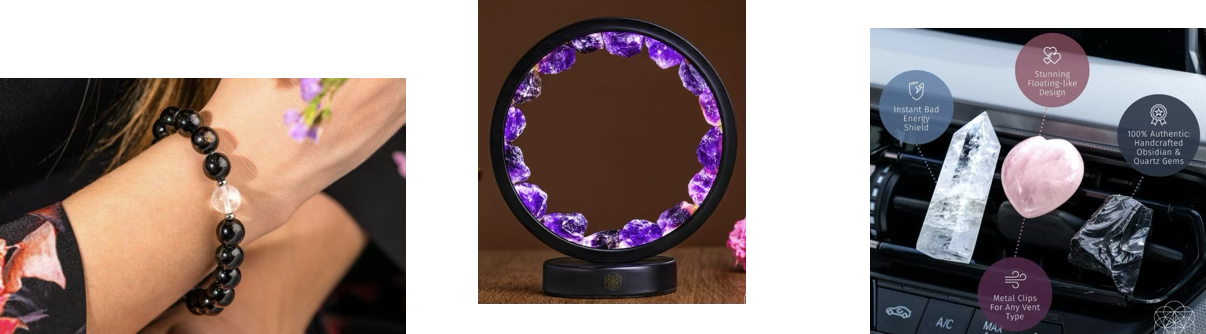
Discover the transformative power of authentic healing crystals from Conscious Items, designed to align your spirit and connect you with nature’s energy. With over 500,000 satisfied customers and a 4.9/5 Trust pilot rating, don’t miss out on finding your perfect crystal—shop now before these unique treasures are gone! Take their exclusive crystal quiz today at Conscious Items to uncover your spiritual muse.
If you liked reading this article you will love this article Crystal Healing Properties: Unlock White Crystal Power!
Elevate your spiritual journey with Conscious Items’ genuine gemstones, trusted by thousands and backed by a 30-day money-back guarantee. Don’t let these powerful crystals pass you by—stocks are limited, and the perfect one for you is waiting! Visit Conscious Items now to find your crystal match before it’s too late.
If you liked reading this article you will love this article Minimalism Checklist: The ONLY Checklist you need
Morganite Crystal Healing Properties
Habits of Healthy Relationships: 10 Keys to Lasting Love: The Ultimate Love Stone for Heart Healing
Conclusion
Affection isn’t a monologue—it’s a dynamic conversation between hearts! Ditch the idea of a single love language. Your emotional fluency is a superpower, not a limitation.
As Dr. Bejanyan says: “Use these languages as a starting point, not cages!” Tonight, try the quiz with your partner or friends. Discover where your dialects overlap—it’s the secret to richer relationships.
Your needs aren’t “too much.” They’re a roadmap to deeper intimacy. Ready to craft your perfect emotional blend? Grab our free Love Language Mixology guide—your heart will thank you!