
Do you feel tired, drained, and not valued in your relationship? You’re not alone. One-sided relationships can make you feel lonely, and resentful, and doubt your worth. But, you can break free and find happiness again. Let’s explore how to heal and build better connections together.
Key Takeaways
- Understand the signs and characteristics of one-sided relationships.
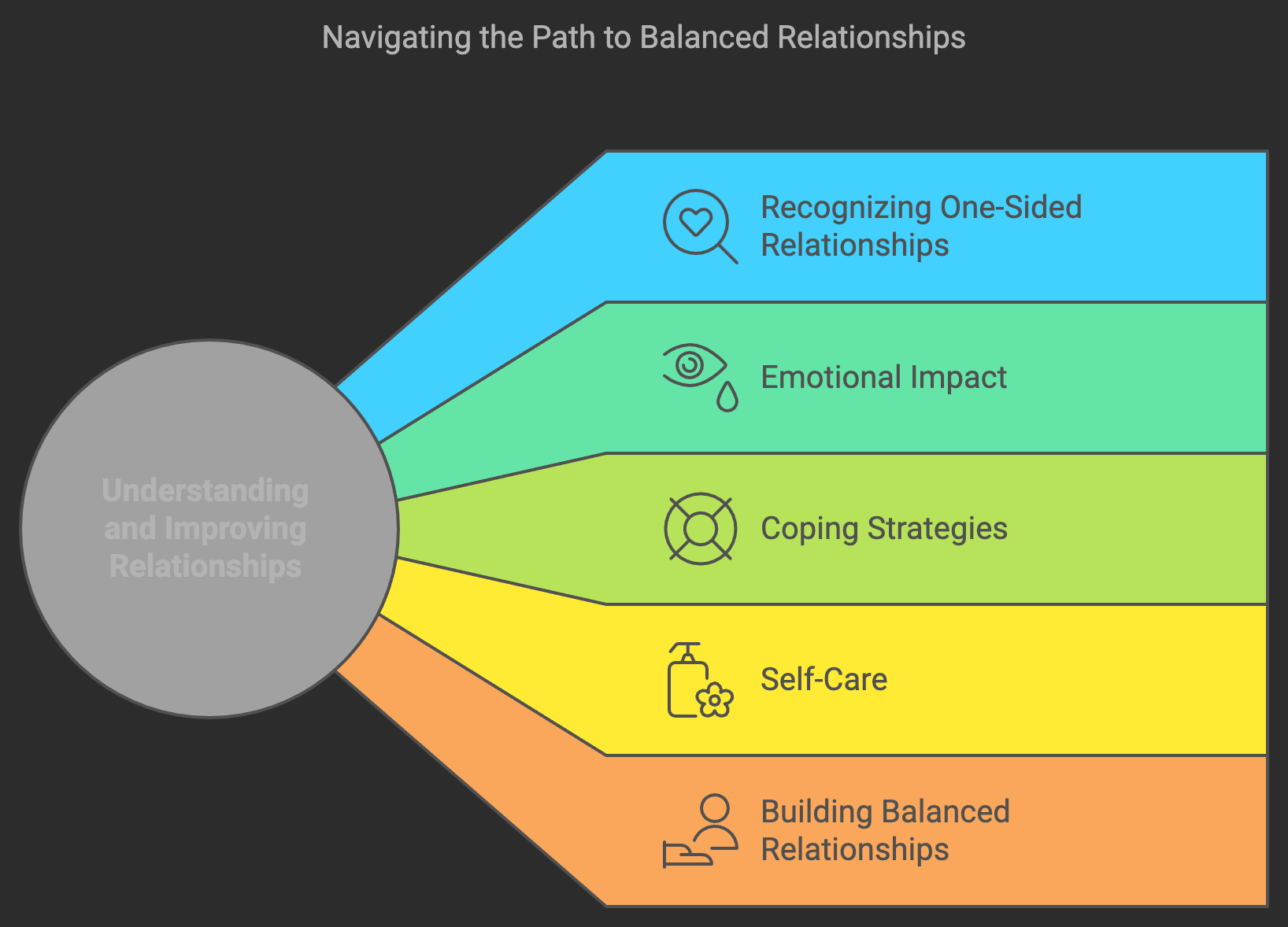
- Explore the emotional and psychological impact of imbalanced bonds.
- Discover effective coping mechanisms and strategies for resolution.
- Learn how to prioritize self-care and rebuild your sense of self-worth.
- Gain insights into creating balanced, fulfilling relationships in the future.
Defining One-Sided Relationships
A one-sided relationship has an uneven balance of effort and emotions1. Poor communication is a big reason for these imbalances1. Fears of losing the relationship can also cause imbalance1. When one person gives more, it can be very hard emotionally. Emotional Toll of One-Sided Relationships: Breaking Free and Healing
The Emotional Toll
Being in a one-sided relationship can be very draining1. It makes you feel tired, unappreciated, and unsupported1. This can make you anxious and stressed, worrying about the relationship1.
Feeling not valued can also lower your self-esteem, making you doubt your worth1.
Breaking Free and Healing
It’s important to recognize the signs and take action1. Setting boundaries and having a plan to leave can help you regain control1.
You deserve a relationship where you’re valued and your efforts are appreciated. With self-love, you can move on and find better connections.
Listen to this article”Emotional Toll of One-Sided Relationships: Breaking Free and Healing”
Understanding One-Sided Relationships: Definition and Core Characteristics
One-sided relationships happen when one person feels more emotionally invested than the other. This imbalance can lead to feelings of frustration and resentment.
Research shows that both sides can feel unhappy, especially the one giving more support2.
In 2016, experts called these imbalanced relationships “asymmetrically committed.”2
Key Elements of Relationship Imbalance
In one-sided relationships, one person does more of the emotional work. They might always start conversations or plan activities. The other person might not do much or show little interest2.
Studies from 2018 found that people from broken homes might struggle more with commitment2. This can make the person doing more feel unhappy and unfulfilled.
Common Dynamics in Asymmetrical Bonds
In these relationships, one person usually starts everything. They plan and reach out, but the other doesn’t always respond3. This can make the more involved person feel resentful and unappreciated.
They might feel anxious, guilty, or ashamed more often than in healthy relationships3. This can make the relationship feel unhealthy and one-sided.
The Psychology Behind Unequal Emotional Investment
Many things can cause one-sided relationships, like insecurity or poor communication2. A 2019 study found that giving support can make you feel better, but it can also make you anxious2.
Understanding why these imbalances happen is key to fixing them. It helps in recognizing and addressing the issues in these relationships.
Spotting the signs of a one-sided relationship is the first step to fixing it.
Knowing the signs and the reasons behind them can help you create more balanced and fulfilling relationships3.
“A one-sided relationship can be draining for the partner providing more support without receiving enough in return.”2
Recognizing the Warning Signs and Red Flags
Relationships can be tricky. It’s important to spot early signs of one-sided love to keep your mind and heart safe. About 67% of people face one-sided relationships where effort, energy, and feelings are not balanced4.
These imbalances can make you feel lonely, resentful, and angry, affecting 75% of those in such situations4.
Being the only one to start conversations is a big red flag, seen in over 80% of these cases4. If one person always asks for help without giving back, that’s a sign in about 60% of relationships4.
Also, if someone chooses friends over you, it’s a warning sign in about 50% of cases4.
Gaslighting, where one person makes the other doubt their feelings, happens in about 40% of these relationships4. This can cause a lot of stress, leading to anxiety, depression, and feeling drained, affecting over 70% of people4.
Not sharing goals or talking about the future is common in about 55% of these relationships4. It can make you feel like you’re not on the same page. Also, hiding bad habits or behaviors that hurt your partner is seen in about 45% of cases4.
Not feeling close or intimate is a big issue in about 60% of these relationships4. Spotting these signs early can help avoid more harm and guide your relationship choices5.
Relationships with uneven emotional investment can make you feel used or unappreciated5. Setting clear boundaries and expectations can help keep things balanced5. Sometimes, it’s best to leave a relationship for your own growth and respect5.
| Common Red Flags in Relationships |
|---|
| Controlling behavior |
| Lack of respect or trust |
| Emotional abuse |
| Substance abuse |
| Narcissistic behavior |
| Anger management issues |
| Codependency |
| Conflict avoidance |
| Constant jealousy |
| Gaslighting |
| Lack of emotional intelligence |
| Social isolation |
| Inability to communicate openly |
| Lack of social connection or friends |
| Love bombing |
There are also “yellow flags” in relationships, which are less serious but still need attention645. Yellow flags show problems that need fixing to make the relationship better645.
Emotional Toll of One-Sided Relationships
Being in a one-sided relationship can really hurt your feelings. It can affect your mind, body, and how you grow. These kinds of relationships have big gaps in talking, feeling, and money7. People often feel tired, unsure, and alone.
Impact on Mental Well-being
Being in a one-sided relationship can really mess with your mind. You might feel lonely, angry, and sad7. You might start to think you’re not worth much or that you’re always being rejected8.
Physical Health Consequences
Being in a one-sided relationship can also hurt your body. You might not sleep well, get headaches, or feel sick more often7. Your body is trying to deal with the stress.
Effects on Self-esteem and Personal Growth
One-sided relationships can really hurt how you see yourself. You might feel like you’re being used and not valued7. This can make it hard to feel good about yourself and stop you from reaching your goals.
To deal with the pain of one-sided relationships, you need to understand the problems9. Know the signs of imbalance and set boundaries. Getting help from professionals can help you feel better and find better relationships in the future.
“One-sided love can be a profoundly painful experience, often leading to feelings of despair, anxiety, and a deep sense of personal loss.
It’s crucial to address these challenges head-on and prioritize self-care during the healing process.”
Understanding the Root Causes of Relationship Imbalance
Toxic dynamics in one-sided bonds often come from many factors10.ok> These can happen in many kinds of relationships, like romantic ones, family ties, friendships, and work bonds10.
The main reasons include bad communication, personal doubts, financial worries, and hidden anger11.
Our family background and how we were raised matter a lot10.
Growing up in a chaotic home can make us more likely to stay in one-sided relationships10. Differences in what we expect and how we communicate can also cause problems12.
- Lack of effort and relationship investment can cause serious problems when one partner starts to notice disinterest.12
- Being the sole initiator or planner in a relationship may lead to feeling taken for granted, indicating a one-sided relationship.12
- Prioritizing needs and feelings is crucial; feeling undervalued or drained indicates an unbalanced relationship dynamic.12
- Mismatched levels of emotional support and communication can lead to negative emotions like resentment.12
It’s important to tackle the root causes, like work stress, money worries, health issues, or mental health problems12. Talking things out, setting limits, and changing how we act can help fix the imbalance12.
If you’re dealing with the mental health risks of one-sided love, getting help is key12. Couples therapy can help with codependency and improve how we talk to each other for a better relationship12.
Breaking Free: Steps to End a One-Sided Relationship
It’s hard to see a one-sided relationship, but it’s a big step towards healing. If you’re dealing with healing from one-sided intimacy trauma or overcoming obsessive unrequited feelings, it’s key to take action. This helps you feel better emotionally13.
Creating Boundaries and Setting Limits
First, make clear rules for what you’ll accept. Talk to your partner about what you need and want calmly13. You should be respected and heard in any relationship.
Developing an Exit Strategy
If your partner can’t meet your emotional needs, it’s time to plan to leave. Set a deadline for change and stick to it, even if it means ending things. Be kind and explain it’s for the best of both14.
Building Support Systems
Surround yourself with people who care and can help. Friends, family, or counselors can offer advice and support14. They help you deal with feelings when you leave a bad relationship.
Leaving a bad relationship is brave and shows you love yourself. By setting rules, planning to leave, and having friends, you start healing. It’s hard, but it’s worth it for a happy, balanced life.
“The beginning of love is to let those we love be perfectly themselves, and not to twist them to fit our own image. Otherwise, we love only the reflection of ourselves we find in them.” – Thomas Merton
The Healing Journey: Recovering Your Sense of Self
Starting to heal after a one-sided relationship is tough but needed. It helps you feel better about yourself. Being in a relationship that’s not balanced can hurt your mind and make you feel less good about yourself15.
But, being kind to yourself and learning about yourself can help you get through this and come out stronger.
Begin by being kind and understanding to yourself. Don’t judge yourself too harshly or feel ashamed.
These feelings can slow you down15. Instead, be gentle with yourself and remember that you didn’t cause the problems you faced. Writing down your experiences can help you understand what happened and move forward.
When you start to think about yourself, be kind and curious. Healing is not always easy and it’s okay to take breaks when you feel too hard on yourself15.
Remember, you know what’s best for you and taking care of yourself is important for growing.
Getting over a one-sided relationship might mean dealing with the effects of emotional abuse15. Knowing how you were manipulated can help you understand what happened and free you from bad patterns.
Healing might also mean working on codependency behaviors16. By taking care of yourself, setting limits, and being strong, you can gain your independence. This opens the door to better relationships in the future.
Don’t be afraid to ask for help from people you trust, therapists, or support groups17. Talking to others who have gone through similar things can make you feel less alone.
They can also offer advice and support as you heal.
As you heal, remember that the effects of a one-sided relationship can last15. You might need to rethink your relationships with others and set new boundaries. This is a big part of finding a life with healthy, balanced connections.
Your journey to healing shows how strong and resilient you are. By taking care of yourself, being kind to yourself, and growing, you can find your true self. This will help you have better relationships in the future151617.

Rebuilding Self-Worth and Personal Boundaries
Getting over unrequited feelings and avoiding codependent patterns is key to feeling better about yourself18. Low self-esteem makes it hard to be open in relationships18.
Signs include being too hard on yourself, not accepting praise, and being very jealous18.
Other signs are always needing reassurance, staying away from people, fearing failure, and wanting everything to be perfect18. Feeling unworthy and doubting your partner’s feelings are also signs18.
Techniques for Self-Discovery
Journaling, meditation, or therapy can help you find yourself again18. Talking openly and getting support can boost your confidence and purpose18. Therapy can help with long-lasting low self-esteem18.
Establishing Healthy Relationship Standards
Thinking about past relationships and what you deserve is important19. A one-sided relationship has an imbalance, where one person does more19. Signs include doing all the work and feeling anxious, guilty, or resentful19.
Building self-worth and boundaries takes time, but it’s essential for better relationships20.
Healthy relationships need flexible boundaries, while toxic ones need strict ones for protection20.
“The journey of self-discovery is the most rewarding path towards lasting happiness and fulfillment.”
Moving Forward: Creating Balanced Future Relationships
After a one-sided relationship, it’s time to learn and move on. Recognize the early warning signs of toxic dynamics and trust your gut21. Look for open communication and respect in new relationships. Make sure your feelings are valued and you get as much as you give21.
Self-care and setting boundaries are crucial to avoid codependency.
Healthy relationships are about sharing and caring for each other. Keep growing and don’t hesitate to get help if needed. You deserve a loving, balanced relationship that makes you happy21.
- Watch out for future faking, where promises are made without real plans22. This can hurt you deeply and make you feel stuck22.
- Don’t idealize your love interest too much23. Studies show people in unrequited love often see their crush as perfect23.
- Work on feeling secure in your attachment style23. Being insecure can lead to staying in unfulfilling relationships23.
With self-reflection and support, you can heal and become a better partner23. You have the power to find the meaningful relationships you want.

“Healthy relationships are built on mutual trust, respect, and emotional investment. Strive for balance and never settle for less than you deserve.”
Conclusion
Understanding one-sided relationships is key. They can hurt a lot and make us feel stuck24. Knowing the signs helps us fix these problems and feel better25.
Talking openly, setting limits, and getting help are important steps26. They help us find our worth and grow. This way, we can make new, good connections26.
Getting out of one-sided relationships changes us for the better25. It lets us heal and find better relationships that match our dreams24. Being kind to ourselves and growing helps us handle life’s connections better.
The hard part is worth it for finding true connections26. By focusing on ourselves and our needs, we can move on25. This leads to a future filled with respect and happiness25.
FAQ
What are the key elements of a one-sided relationship?
What are the common warning signs of a one-sided relationship?
How can one-sided relationships impact mental and physical well-being?
What are the root causes of relationship imbalance?
How can someone break free from a one-sided relationship?
What are the key steps in the healing journey after a one-sided relationship?
How can someone rebuild their self-worth after a one-sided relationship?
What steps can someone take to create balanced future relationships?
Live A Supercharged Life YOUTUBE CHANNEL:
https://www.youtube.com/channel/UCQZ89BVHoIRkEUMRJ5Ny9CQ
Check out my new podcast and complete article on “The Impact of One-Sided Love: Why It Hurts and How to Heal” on Live A Supercharged Life YOUTUBE CHANNEL:
The entire article “The Impact of One-Sided Love: Why It Hurts and How to Heal“
https://www.liveasuperchargedlife.com/the-impact-of-one-sided-love/
Source Links
- https://www.talkspace.com/blog/one-sided-relationship/
- https://www.medicalnewstoday.com/articles/one-sided-relationship
- https://www.mindbodygreen.com/articles/one-sided-relationships?srsltid=AfmBOoqUcbiY8kwklIN9q0hhW9VV9RTPCJE-7icCC5J2Nurk2z3zjbAs
- https://www.nayaclinics.com/post/10-warning-signs-that-youre-in-a-one-sided-relationship
- https://tawkify.com/blog/a-broken-heart/signs-of-one-sided-relationship
- https://www.betterup.com/blog/red-flags-in-a-relationship
- https://www.verywellmind.com/one-sided-relationship-signs-causes-effects-coping-5216120
- https://www.linkedin.com/pulse/emotional-toll-one-sided-love-its-impact-mental-health-arora
- https://clearbehavioralhealth.com/one-sided-relationships/
- https://www.womenshealthmag.com/relationships/a29402191/one-sided-relationship-signs/
- https://www.mindbodygreen.com/articles/one-sided-relationships?srsltid=AfmBOord2lSkrEQIkaPkXfkOs7IaBmexGNxEnRNrET6p56xOFd317fiP
- https://thrivingcenterofpsych.com/blog/is-my-relationship-one-sided/
- https://medium.com/@doctorbecky/what-a-one-sided-relationship-is-and-how-to-fix-it-1b08c6b89cee
- https://tinybuddha.com/topic/how-do-i-overcome-the-heartbreak-of-this-one-sided-relationship/
- https://www.ourwave.org/post/the-hidden-side-of-healing-from-emotional-abuse-in-an-intimate-relationship
- https://wildtreewellness.com/codependency-recovery/
- https://www.publishpeace.net/p/relationships-that-heal-healing-relationships
- https://psychcentral.com/relationships/self-esteem-makes-successful-relationships
- https://www.mindbodygreen.com/articles/one-sided-relationships?srsltid=AfmBOorxSmT2GoeqXdqJ2aqDZfYI2JK1kcG-S6qFlOCZpuBGc5OJhhuM
- https://www.haileymagee.com/blog/2023/9/25/this-boundary-advice-is-secretly-destroying-your-relationships
- https://www.mudcoaching.com/blog/2023/5/15/why-youre-not-getting-what-you-need-in-your-relationship
- https://www.charliehealth.com/post/future-faking
- https://www.verywellmind.com/unrequited-love-4175362
- https://www.sunshinecitycounseling.com/blog/10-signs-of-a-one-sided-friendship
- https://www.talktoangel.com/blog/signs-of-one-sided-relationships
- https://www.mywellnesshub.in/blog/what-is-one-sided-love/